Overview
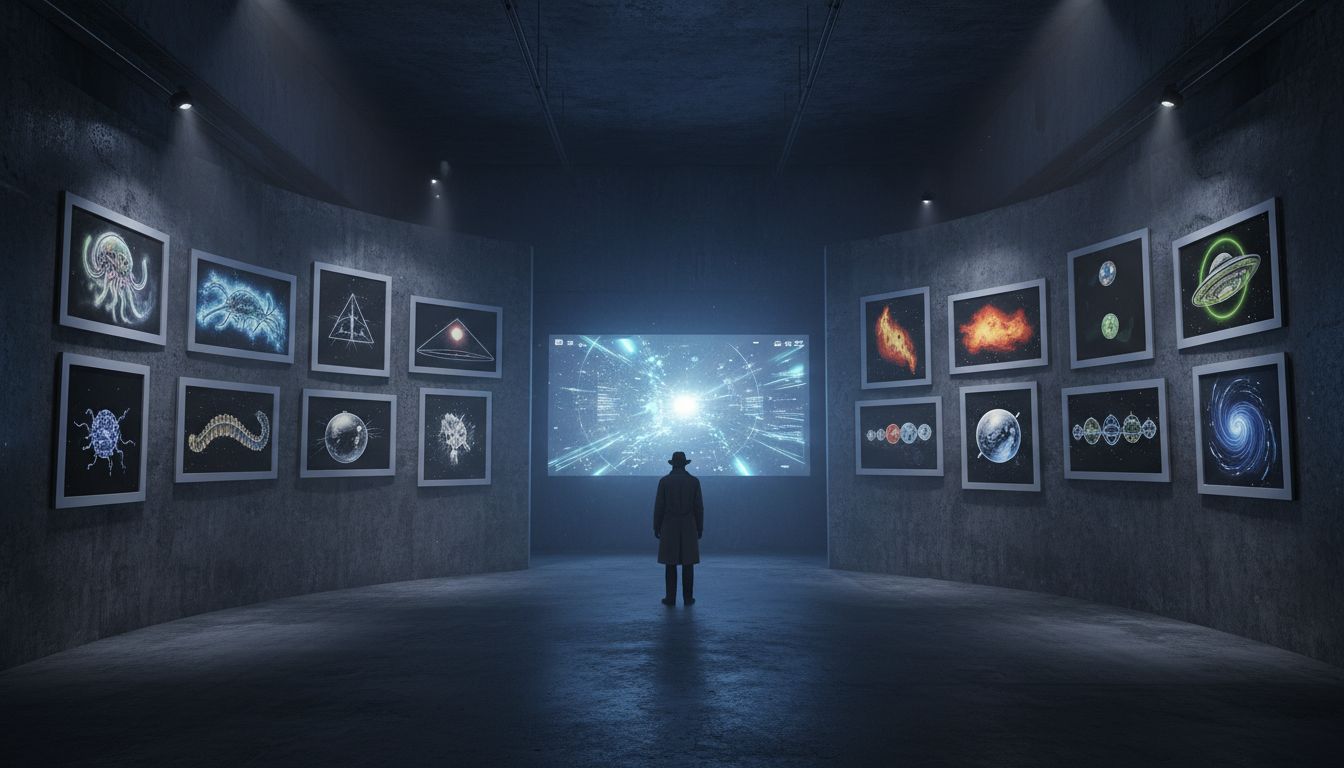
Cybernews recently released a curated gallery that showcases the ten most striking UFO encounters as rendered by the original witnesses. Each illustration is paired with a concise case note, offering a rare glimpse into how observers translate fleeting, often inexplicable aerial phenomena onto paper. While the images vary widely—from minimalist silhouettes to intricate, color‑rich sketches—they share a common purpose: to preserve the personal, visual impression of an event that defies conventional explanation. The collection underscores the growing recognition that eyewitness artwork can complement photographic and radar data in the broader study of unidentified aerial phenomena (UAP).
The Role of Eyewitness Art
For decades, investigators have relied on verbal testimony, photographs, and sensor logs, yet many sightings leave no physical trace. Hand‑drawn depictions fill that gap by capturing details that cameras may miss—such as subtle motion cues, ambient lighting, or the emotional tone of the moment. “When I tried to describe what I saw, words fell short; the sketch was the only way to convey the silvery, pulsating hull that hovered above the field,” recalled Maria López, whose 2019 drawing of a triangular formation over rural Spain now appears in the gallery. Such statements illustrate why artists‑witnesses consider drawing an essential tool for documenting the unknown.
Highlights from the Gallery
The ten artworks span four continents and several decades, each accompanied by a brief narrative. Notable entries include:
- The 1973 Pascagoula River encounter, rendered in stark ink by fisherman Charles Hickson, showing a “cigar‑shaped craft with claw‑like appendages” that he described as “metallic and humming.”
- The 1980 Rendlesham Forest incident, depicted by a local farmer who sketched a “triangular object with rows of bright lights” against a moonlit sky, echoing official military logs of the same night.
- The 2004 USS Nimitz “Tic‑Tac” sighting, illustrated by a Navy pilot using charcoal to emphasize the object’s rapid, erratic maneuvers and its “smooth, featureless dome.”
- The 2014 Chilean “Moth‑Man” case, captured in watercolor by a schoolteacher, highlighting the creature‑like silhouette that hovered over the Andes for several minutes.
Each piece is accompanied by a succinct case note that provides date, location, and any corroborating evidence, such as radar contacts or multiple witness accounts. The diversity of artistic styles—ranging from quick pencil sketches to elaborate digital renderings—reflects the varied backgrounds of the observers, from seasoned pilots to ordinary civilians.
Scientific and Cultural Implications
Researchers at the National Institute for the Study of Unidentified Aerial Phenomena (NISUAP) have begun cataloguing these drawings alongside sensor data, noting that visual consistency across independent sketches can strengthen the credibility of a sighting. Dr. Elaine Cheng, a senior analyst at NISUAP, remarked, “When multiple witnesses produce comparable illustrations of shape, movement, and lighting, it suggests a shared perception that may correspond to a physical event, not just a psychological illusion.”
Culturally, the gallery reinforces the long‑standing tradition of UFO art that dates back to the 1950s “flying saucer” craze. By preserving the personal dimension of each encounter, the collection invites both skeptics and believers to consider the human element inherent in any investigation of the unknown.
Looking Forward
The Cybernews exhibition serves as a reminder that artistic testimony is a valuable, though often under‑utilized, resource in the ongoing debate over UAPs. As governments worldwide declassify more data and scientific bodies adopt standardized reporting protocols, the integration of eyewitness artwork could enhance pattern‑recognition efforts and public transparency. Future projects may include interactive digital archives where researchers can overlay sketches with satellite imagery or radar tracks, fostering a multidisciplinary approach to a phenomenon that continues to intrigue and perplex. For now, the ten drawings stand as a vivid testament to humanity’s enduring curiosity—and its willingness to put pen to paper when the sky offers no easy answers.


