Overview
A story circulating on social media this week claimed that the Biden administration authorized a $500,000 missile to shoot down an alleged unidentified flying object (UFO) over the United States. The claim, originally reported by the New York Post, was later debunked by multiple government and independent sources, which identified the object as a Boy Scouts of America weather balloon released as part of a routine scouting activity. The episode underscores the rapid spread of misinformation surrounding unidentified aerial phenomena (UAP) and highlights the challenges faced by officials trying to communicate accurate information in a highly charged environment.
Background
The rumor emerged after an unidentified aerial sighting was reported near a small town in Pennsylvania on June 2. Anonymous online posts suggested that the Department of Defense had deployed an expensive air‑to‑air missile—specifically a $500,000 AIM‑120 Advanced Medium‑Range Missile (AMRAAM)—to intercept the object. The New York Post amplified the story with a headline that read, “Biden admin used $500,000 missile to shoot down ‘UFO’—that turned out to be Boy Scouts balloon.” The article cited unnamed “sources” and included a grainy video that many users claimed showed a missile launch.
Fact‑Checking the Claim
Federal officials quickly moved to address the allegation. A spokesperson for the Pentagon’s UAP (Unidentified Aerial Phenomena) Task Force told Reuters that no missile launch had been authorized or executed in response to the June 2 sighting. “Our records show no air‑to‑air engagement on the date in question,” the spokesperson said. Likewise, the U.S. Air Force’s public affairs office confirmed that no aircraft in the region reported firing a missile, and that standard operating procedures would require a documented after‑action report for any such use of force.
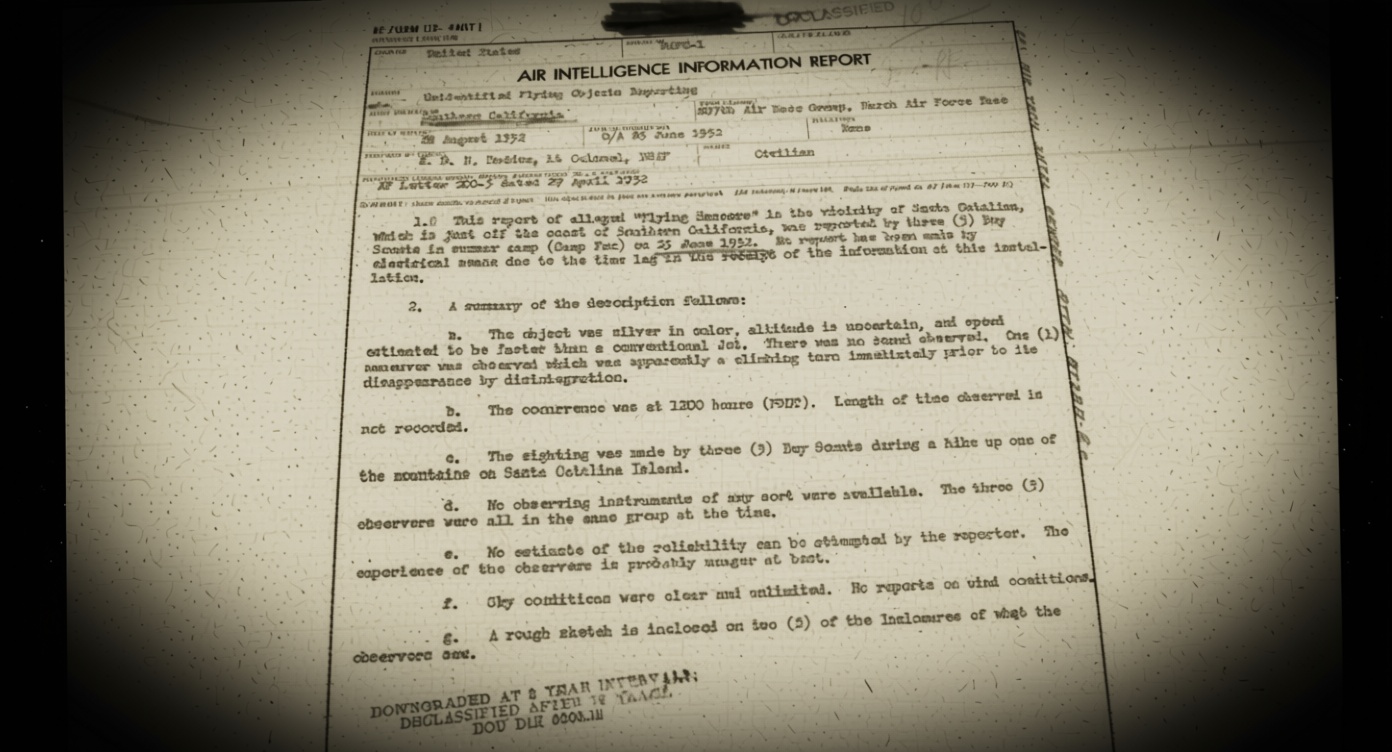
The Boy Scouts of America released a statement confirming that a weather balloon had been launched on June 1 as part of a local troop’s “Sky‑Watch” program, which teaches members about meteorology and atmospheric science. The organization provided photographs of the balloon and its release site, matching the visual characteristics seen in the viral video. Independent analysts who examined the video’s flight path and altitude concluded that the object’s behavior was consistent with a helium‑filled balloon rather than a high‑speed craft.
Official Response
President Joe Biden’s administration has not commented directly on the viral claim, but the White House Press Secretary’s office reiterated the administration’s commitment to transparent handling of UAP investigations, referencing the 2023 congressional briefing that called for a systematic approach to unidentified sightings. “We rely on our intelligence and defense partners to evaluate any credible threat,” the spokesperson said, adding that “misinformation can distract from legitimate national security concerns.”
The incident also prompted a reminder from the Federal Aviation Administration (FAA) that pilots and the public should report unusual aerial activity through the established “UAP Reporting System,” a channel created after the 2022 Pentagon report on unexplained aerial phenomena. The FAA emphasized that not every sighting warrants a military response and that many can be explained by civilian activities such as balloons, drones, or weather balloons.
Implications
While the episode was ultimately a misidentified balloon, it illustrates how quickly speculative narratives can gain traction, especially when they intersect with the public’s fascination with UFOs. The rapid debunking by multiple agencies demonstrates the importance of robust fact‑checking mechanisms and clear communication from government bodies. As the UAP Task Force continues to compile data and release findings, analysts warn that accurate attribution of aerial objects will be essential to maintaining public trust and ensuring that resources are allocated appropriately. The incident serves as a reminder that, in an era of instant sharing, even a simple scouting balloon can become the centerpiece of a nationwide controversy.