Overview
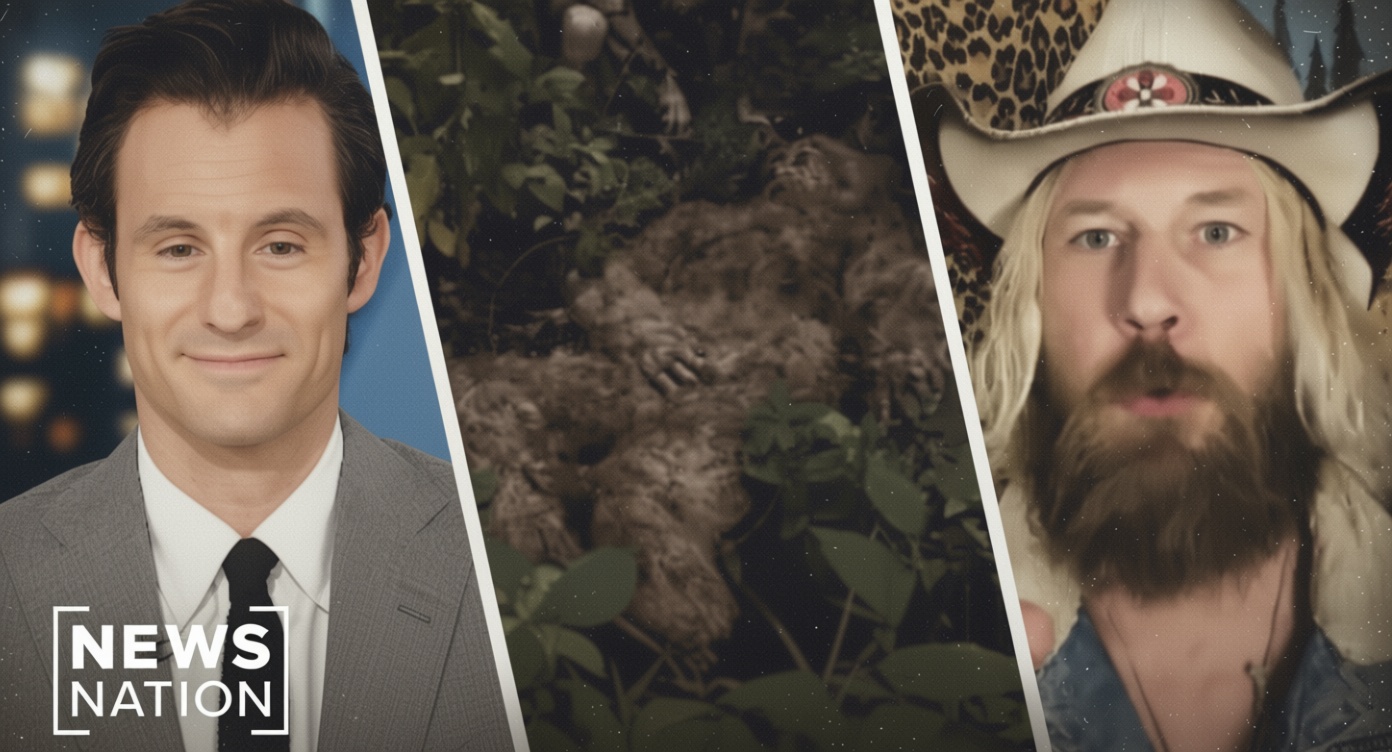
A Bigfoot hunter known only by the nickname “Snake” says he has spent months trying to persuade others that a decomposing body he found in 2024 is authentic — and that DNA results from tissue samples point to something he believes is extraordinary. According to the account, Snake says the remains were recovered in a remote area and were tested after samples were taken from the corpse. He claims the results indicated the body was partly human and partly Neanderthal, a finding that, if true, would raise major scientific questions. But as with many alleged cryptid discoveries, the challenge has not just been gathering evidence — it has been convincing anyone to take the claim seriously.
The alleged discovery and DNA claim
Snake’s account centers on what he describes as a decomposing Bigfoot corpse discovered in 2024. He says he collected DNA samples from the body and pursued testing in hopes of establishing what the remains actually were. The result, as he relays it, was not a conventional animal match. Instead, he says the analysis showed a mixture of Neanderthal and human DNA, a claim that immediately pushes the story beyond ordinary wildlife reporting and into the realm of unresolved speculation. However, the source material does not provide independent verification of the testing, the laboratory involved, or the full methodology behind the alleged results.
That lack of corroboration is important. DNA claims tied to alleged Bigfoot remains have historically drawn skepticism from scientists, who typically point to the need for transparent chain of custody, reproducible results, and peer-reviewed analysis. Without those safeguards, extraordinary conclusions can be difficult to assess. In this case, Snake’s interpretation of the results is central to the story, but the evidence remains presented through his own account, leaving open the question of whether the samples were contaminated, misread, or misunderstood.
An uphill battle for credibility
Snake’s bigger struggle, according to the article, has been being believed at all. He says the authenticity of the corpse has been an uphill battle to prove, reflecting a familiar pattern in cryptid reporting: even when claimants present photos, samples, or eyewitness testimony, the public response often ranges from curiosity to outright dismissal. Bigfoot lore has long occupied a strange space between folklore, amateur investigation, and internet-era entertainment, and that makes serious documentation especially hard to achieve.
The credibility issue is compounded by the cultural baggage surrounding Bigfoot stories. Many people view them as legends rather than evidence-based mysteries, which means any new claim must overcome not only scientific skepticism but also public fatigue. In practical terms, that often leaves hunters like Snake in a difficult position — trying to build a case in a field where the bar for proof is extremely high and the audience is predisposed to doubt.
Documentary adds to the spectacle
The NewsNation piece also points readers to a Bigfoot YouTube documentary described as entertaining “woo,” a label that suggests the project leans into the more eccentric and speculative side of the subject. That framing underscores the tension at the heart of the story: on one hand, a serious claim about alleged remains and DNA; on the other, the unmistakable pull of cryptid culture as online entertainment. For viewers, that may make the documentary compelling. For skeptics, it may reinforce the view that the story belongs more to paranormal media than to science.
For now, Snake’s alleged find remains an unresolved claim rather than a confirmed discovery. Until there is independent laboratory review, broader expert scrutiny, and transparent evidence, the purported Bigfoot corpse will continue to sit at the intersection of mystery, folklore, and skepticism — a place where such stories often linger long after the initial excitement fades.