Overview
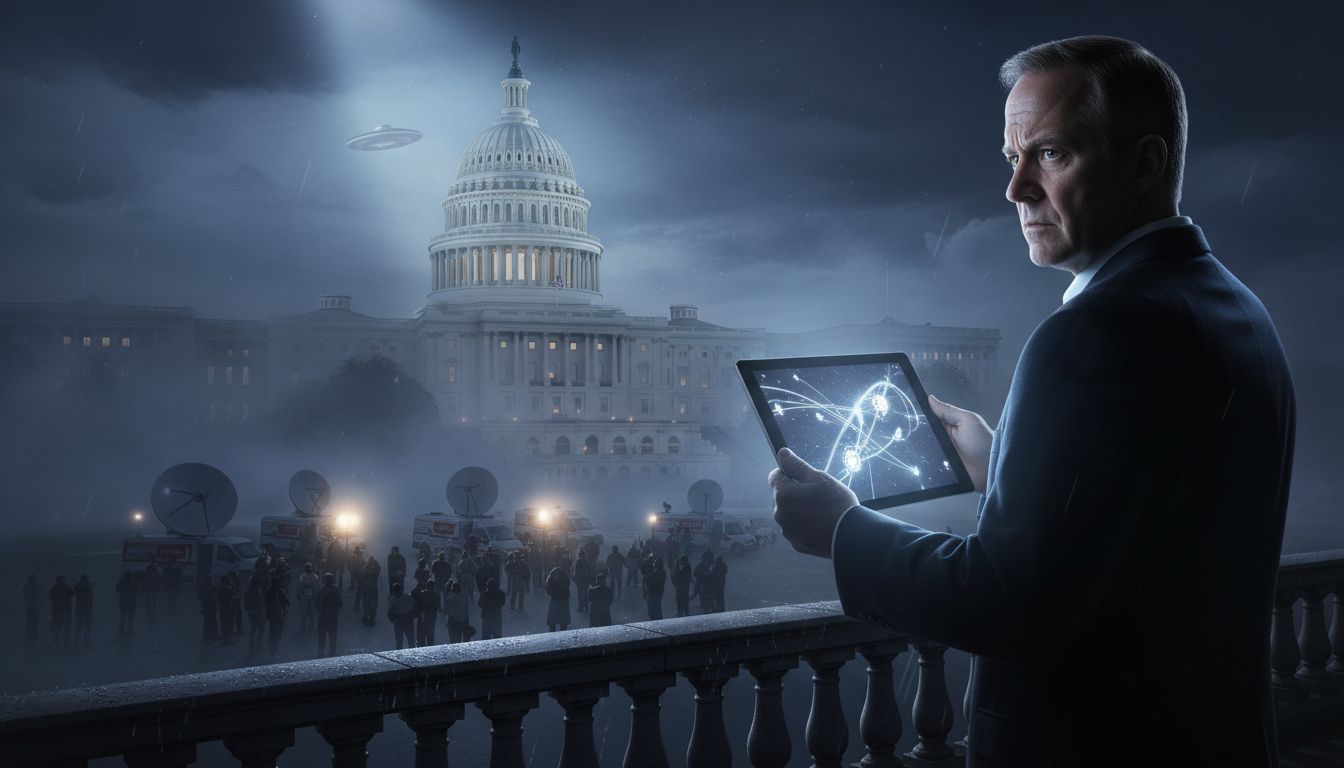
U.S. Representative Tim Burchett (R‑TN) told reporters on Thursday that he has personally viewed multiple UFO videos that “defy any reason.” The comment, reported by The Hill, comes as congressional committees intensify oversight of the Pentagon’s Unidentified Aerial Phenomena (UAP) program and the newly created All‑Domain Anomaly Resolution Office (AARO). While Burchett did not release the footage publicly, he said the material “cannot be logically explained” and urged lawmakers to demand greater transparency from the Department of Defense.
Legislative Context
The push for greater disclosure follows a series of high‑profile developments. In June 2023, the Office of the Director of National Intelligence released a preliminary assessment that identified 144 UAP incidents since 2004, many of which remained unexplained. In response, the Senate Intelligence Committee approved a $25 million budget for an expanded UAP investigative effort, and the Pentagon formally established AARO in 2022 to centralize data collection across air, space, and maritime domains. Recent hearings have featured testimony from former military pilots and intelligence officials, but many members of Congress argue that the released evidence is still insufficient for a full public accounting.
Burchett’s Claim
During a press briefing in Nashville, Burchett said he had been shown “several videos” that depict objects moving in ways that violate known aerodynamics and physics. “I’ve seen the footage, and it defies any reason we have for how an aircraft should behave,” he said. He declined to describe the specific characteristics of the objects, noting that the material is “still classified” and that releasing it could jeopardize national security. Burchett added that the videos reinforce his belief that the government must “stop treating UAPs as a joke” and instead allocate the resources needed for a rigorous scientific investigation.
Reactions from Officials and Experts
The Pentagon’s AARO spokesperson responded that the office “continues to evaluate all credible reports” and that “any new, verifiable data will be reviewed in accordance with established protocols.” Defense analysts cautioned against drawing conclusions from a single member’s anecdotal account, emphasizing that rigorous analysis requires raw data, sensor metadata, and independent verification. Former Navy pilot and UAP researcher Luis Elizondo noted that “the challenge isn’t the existence of strange sightings; it’s building a transparent, methodical framework to study them.” Meanwhile, several members of the Senate Intelligence Committee, including Chairman Mark Warner (R‑VA), welcomed Burchett’s remarks as a reminder that “the public deserves answers” and signaled support for expanding the AARO budget in the upcoming fiscal year.
Looking Ahead
Burchett indicated he will raise the issue in the upcoming House Armed Services Committee meeting and is preparing a formal request for the Department of Defense to declassify the videos he has seen. Lawmakers are also expected to vote on legislation that would require the Pentagon to produce a quarterly public report on UAP investigations, a proposal championed by the bipartisan “UAP Transparency Act.” As the debate unfolds, the tension between national‑security concerns and public demand for openness remains at the forefront of the UAP conversation, with Burchett’s claim adding fresh urgency to an already intensifying legislative push.


