Overview
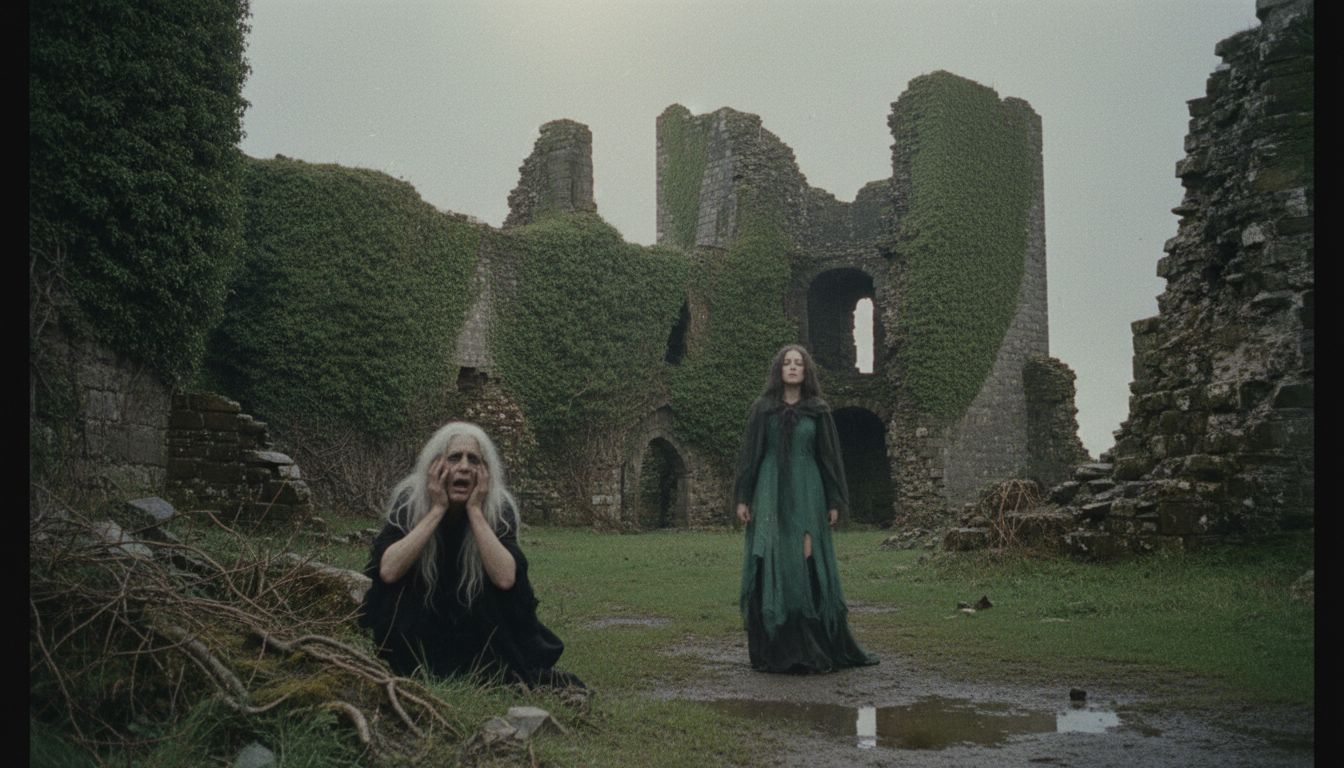
Caerphilly Castle, the vast medieval fortress that dominates the Rhymney Valley in South Wales, is known as much for its legends as for its stonework. Built in the 13th century by Gilbert de Clare, the powerful Marcher lord who sought to secure English control in the region, the castle is the second largest in Britain and remains one of the country’s most recognisable defensive structures. But alongside its military history is a body of local ghost lore that has endured for generations, centring on two of Welsh folklore’s best-known spectral figures: the Lady in Green and Gwrach-y-Rhibyn, the feared wailing hag said to foretell death.
The castle’s construction began on 11 April 1268 during a period of conflict between Norman lords and Welsh rulers, including Llywelyn ap Gruffudd, also known as Llywelyn the Last. According to the source material, the fortress was designed to block Welsh expansion into lowland South Wales and to reinforce de Clare’s power in Glamorgan. The resulting stronghold, with its moat, towers and battlements, has long been associated with an atmosphere of siege and loss. That reputation has helped sustain stories of ghostly soldiers seen on the walls and other lingering presences said to haunt the site.
The Lady in Green
Among the most enduring legends linked to Caerphilly Castle is that of Princess Alice, more often remembered in local tradition as the Lady in Green. Alice de Lusignan, or Alice of Angoulême, was born in 1236 and married Gilbert de Clare in 1253 when he was still a child. Descriptions preserved in folklore portray her as strikingly beautiful, with dark hair and eyes, and also as a figure surrounded by gossip and courtly intrigue. The haunting tale attached to her suggests a tragic end: she is said to have died of a broken heart after Gilbert killed her lover, Gruffudd the Fair, Prince of Brithdir.
That story places Alice among the many medieval women whose lives were transformed into romantic tragedy by later legend. In the Caerphilly narrative, her spirit is tied to ivy-covered walls and the emotional residue of doomed love, creating a classic ghost-story motif that blends aristocratic scandal with sorrow. While historical records confirm the identities and marriages of the people involved, the haunting itself belongs firmly to the realm of folklore. Still, the persistence of the Lady in Green tale speaks to the castle’s ability to hold both real history and imagined sorrow in the same frame.
Gwrach-y-Rhibyn and a Deathly Omen
If the Lady in Green represents personal tragedy, Gwrach-y-Rhibyn brings a darker form of Welsh supernatural tradition. Often described as a hag or banshee-like figure, Gwrach-y-Rhibyn is said to appear or cry out as an omen of death. In Welsh storytelling, her wailing is not merely frightening but deeply symbolic, a warning that loss is near. Her association with Caerphilly Castle adds a more ominous layer to the site’s reputation, linking it not only to grief but to prophecy and fate.
Together, these stories help explain why Caerphilly Castle remains more than a monument of military engineering. Its massive walls preserve the memory of conquest and resistance, but also the imaginative power of folklore. Whether heard as cautionary tales, local tradition or cultural inheritance, the legends of the Lady in Green and the Hag of Death continue to shape how visitors and historians alike view one of Wales’s most haunted landmarks.