Overview
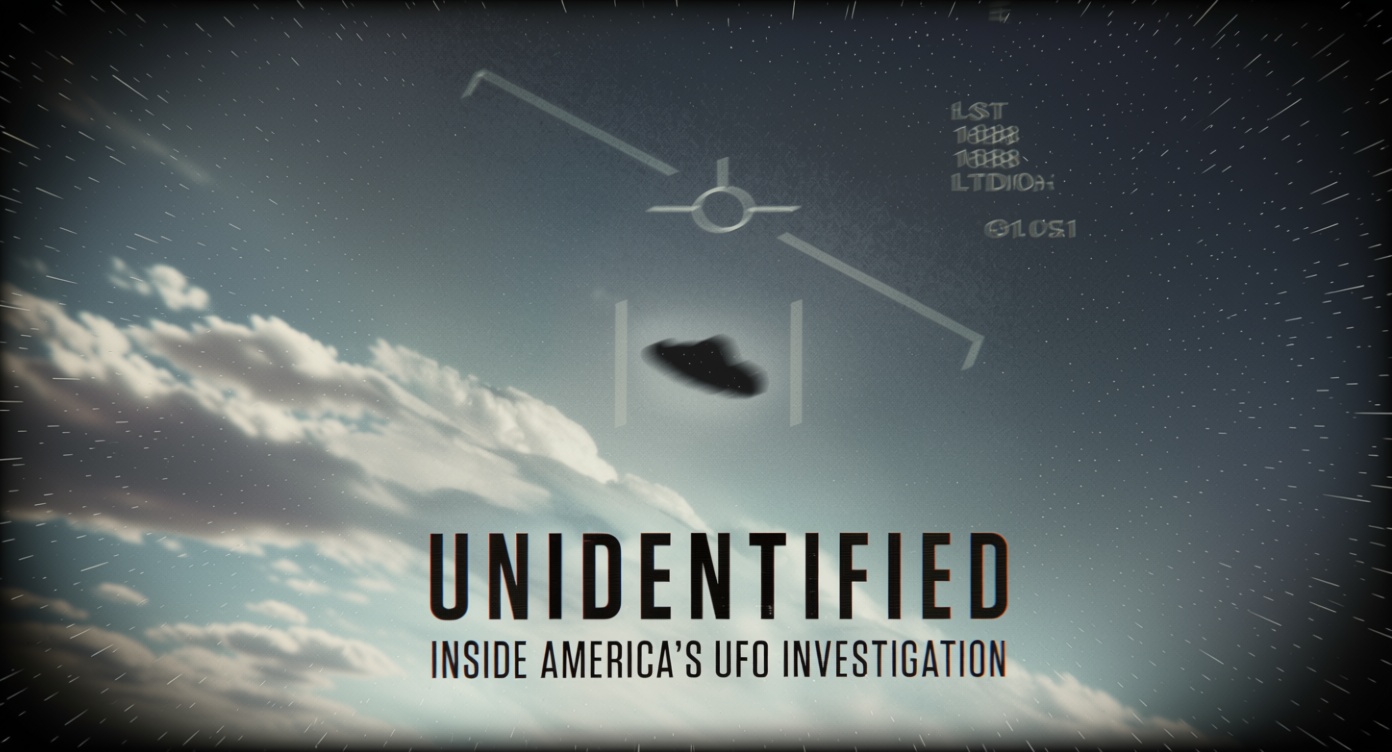
NBC News is revisiting a long-running and highly contested corner of the UAP debate: the claims made by whistleblowers who say the U.S. government has operated secret programs tied to unidentified aerial phenomena. The report follows up on individuals who have come forward in recent years alleging that information about UFOs, now more commonly referred to as UAPs, has been hidden from Congress and the public. While the claims continue to attract attention, the broader question remains unchanged: what does the government know, and what, if anything, has been kept from oversight?
What the whistleblowers allege
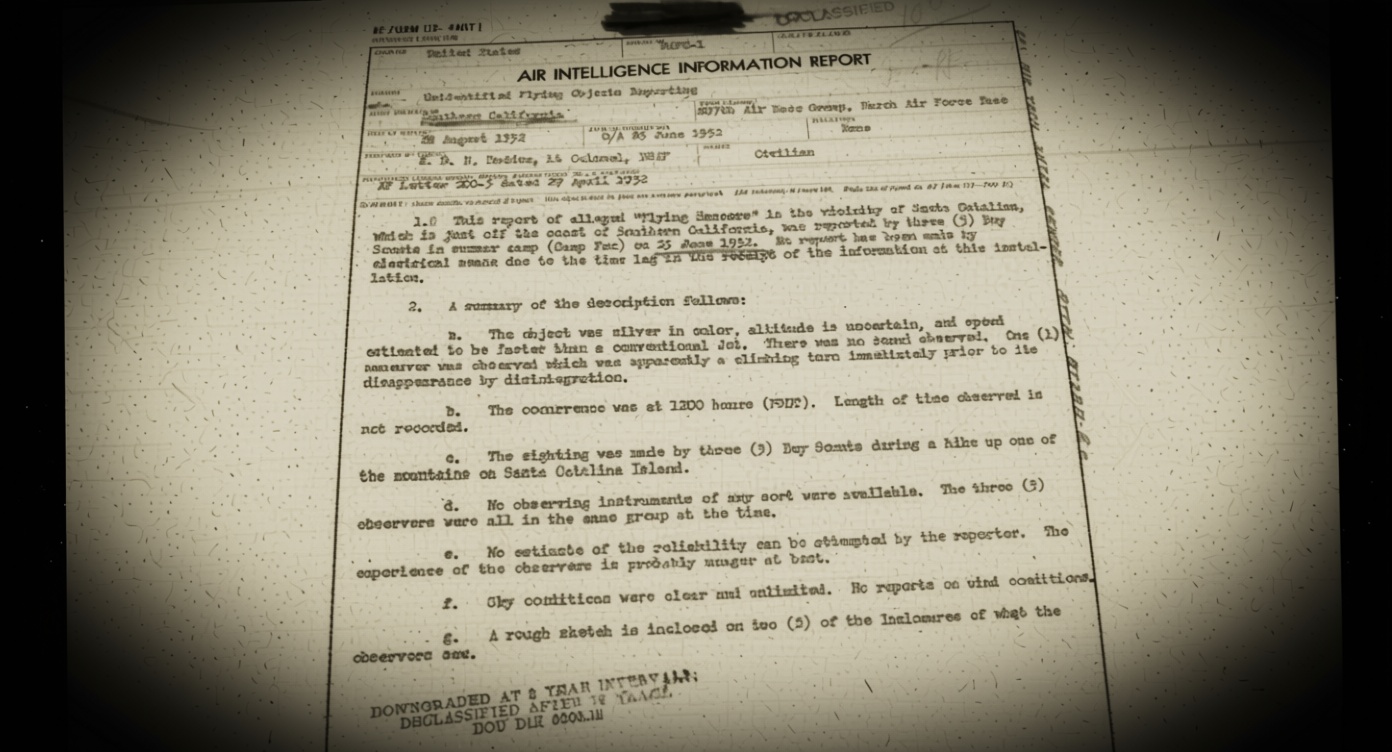
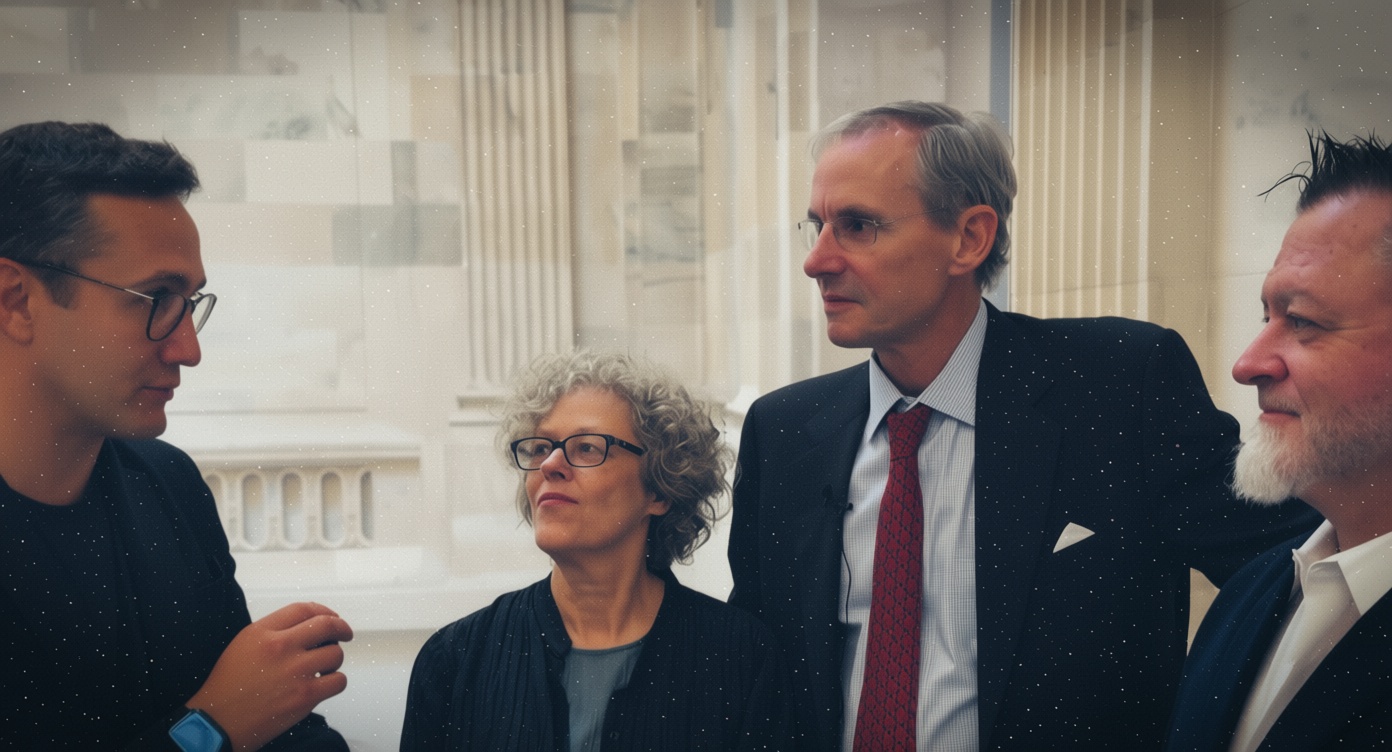
At the center of the discussion are former military and intelligence figures who contend that extraordinary encounters with unexplained craft have been handled inside compartmentalized programs with limited visibility even among senior officials. Their allegations have helped fuel renewed public interest, particularly after a wave of congressional hearings and new disclosures from current and former officials. The NBC News segment revisits those claims in the context of ongoing efforts to determine whether there is a more complete record of incidents, reports, and recovered materials than what has been publicly acknowledged.
The whistleblowers’ assertions are notable not just for their content, but for their persistence. In a political and media environment where UAP stories often fade quickly, these witnesses have kept the issue in front of lawmakers and investigators. Their testimony has helped transform the subject from a fringe topic into one now discussed in formal hearings, in public statements from members of Congress, and in coverage by major news organizations. Even so, the burden of proof remains high, and the claims are still largely supported by testimony rather than publicly released evidence.
Government scrutiny and competing explanations
NBC’s revisit comes against a backdrop of heightened scrutiny from Congress and the Pentagon. In recent years, lawmakers have demanded answers about mysterious aerial incidents and whether defense agencies are sharing enough information with the public. At the same time, official reviews have repeatedly stressed that there is no publicly verified evidence of an extraterrestrial cover-up. The tension between those positions has defined the debate: whistleblowers and their supporters argue that secrecy itself may be the story, while skeptics say many sightings can be explained by misidentification, sensor error, or classified technology.
That divide has made UAP reporting unusually difficult. Investigators must navigate national security restrictions, classified systems, and a public conversation in which speculation often outpaces documentation. The NBC News report reflects that challenge by returning to the whistleblowers not as proof of a hidden program, but as part of a larger effort to assess whether the U.S. government has fully disclosed what it knows.
Why the story continues to matter
The continued attention to these allegations shows that the UAP issue has evolved beyond isolated sightings and into a question of government transparency, oversight, and credibility. For many observers, the significance of the whistleblower claims lies not only in whether they prove the existence of secret UFO programs, but in whether institutions responsible for national security are answering congressional inquiries completely and honestly. As the investigation continues, the story remains one of the most closely watched intersections of defense policy, intelligence secrecy, and public accountability.