Overview
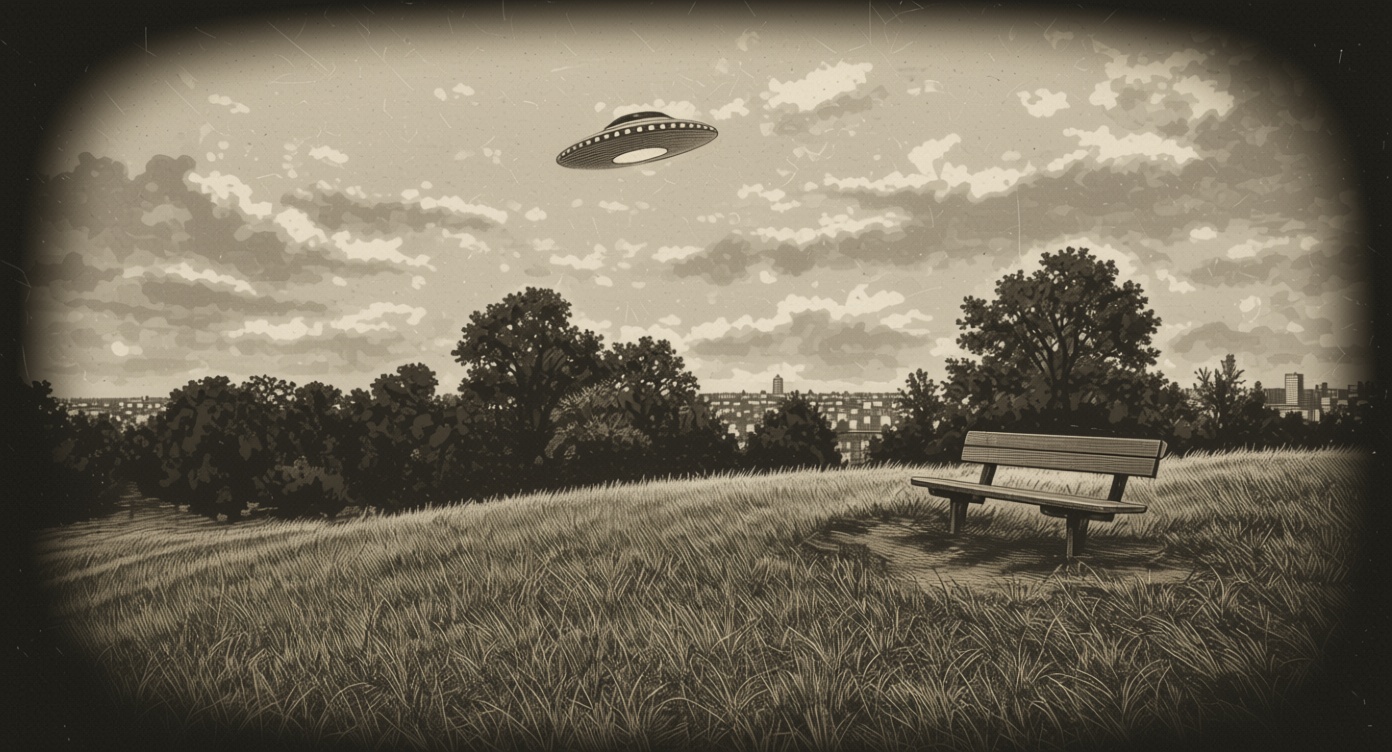
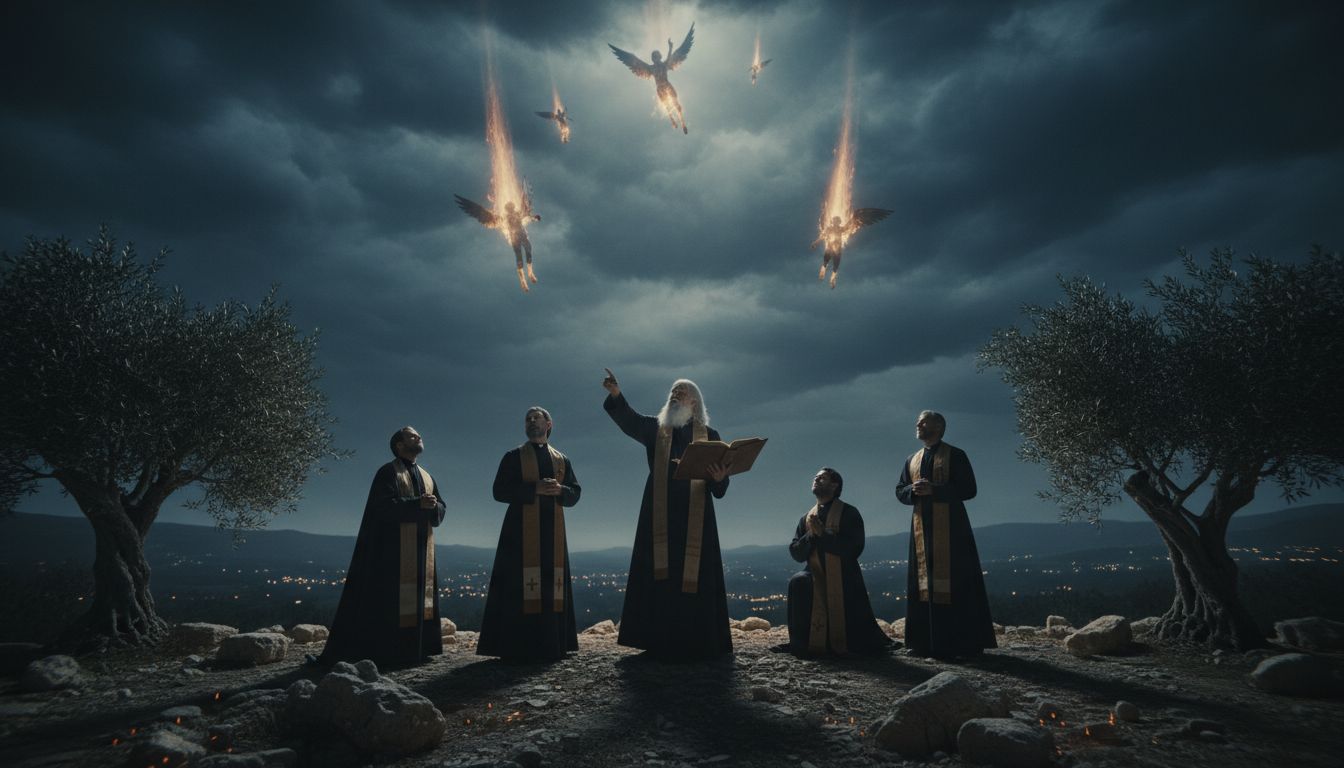
The U.S. Department of Defense’s latest declassification of more than 160 files, videos and photographs documenting unidentified anomalous phenomena (UAP) has reignited public debate over the nature of strange aerial sightings. While most commentary has focused on the possibility of extraterrestrial technology, a group of Christian scholars and pastors are framing the images in a markedly different light, suggesting they may represent “falling angels” or other spiritual activity rather than alien craft.
The Pentagon Release
The material, made public on May 13, 2026, spans decades of government‑collected evidence—from Apollo‑era observations of luminous objects near the Moon’s surface to recent infrared recordings of unexplained lights over U.S. airspace. Among the released items are sketches of an “ellipsoid metallic object” reportedly sighted in September 2023 and grainy infrared frames that show fleeting, orb‑like flashes. The Department of War’s statement emphasizes that the files are “unidentified” and do not confirm any extraterrestrial origin, leaving room for multiple interpretations.
A Theological Perspective
Jeremiah J. Johnston, a New Testament scholar and director of the Christian Thinkers Society, responded to the disclosures in a blog post, arguing that the visual evidence “does not impress” and does not constitute proof of alien life. Citing former President Obama’s tongue‑in‑cheek remark that a “guarding the installation would have taken a selfie,” Johnston dismissed the notion that the government is hiding alien bodies. Instead, he offered a four‑category framework for UAP:
- Natural misidentifications (ice crystals, atmospheric optics)
- Human technology (drones, satellites)
- Angelic activity – “falling angels” or other heavenly beings
- Demonic activity – hostile spiritual forces
He wrote, “The heavens are teeming with intelligent beings. We call them angels… Scripture names them. Jesus spoke of them. Paul wrote letters about them.” Johnston’s stance reflects a long‑standing theological view that the spiritual realm can manifest physically, a perspective he says aligns with biblical passages describing “principalities” and “powers” operating in the world.
Wider Reactions
Johnston’s interpretation has drawn both support and criticism from religious and secular observers. Some evangelical leaders echo his sentiment, noting that the Bible predicts encounters with celestial beings (e.g., Revelation 12:7‑9). Conversely, scholars of religion caution against conflating modern aerial phenomena with ancient scriptural language, arguing that historical context matters and that “falling angels” is a metaphorical construct rather than a literal explanation. Secular UFO researchers, meanwhile, point to the lack of corroborating physical evidence and stress the need for rigorous scientific analysis before assigning any supernatural label.
Looking Ahead
The Pentagon has indicated that further releases are planned as part of an ongoing effort to increase transparency about UAP. Whether future data will strengthen the case for extraterrestrial technology, human surveillance systems, or something else entirely remains uncertain. For now, the theological framing offered by Johnston and his peers adds a new dimension to the public conversation, reminding policymakers and the media that interpretations of the unknown are often filtered through cultural and religious lenses. As the files continue to be examined, the dialogue between science, government, and faith communities is likely to intensify, shaping how society understands the skies above.