Overview
The latest batch of declassified Pentagon documents on unidentified anomalous phenomena, or UAPs, has added a new wrinkle to the long-running debate over how U.S. agencies handled early UFO research. Released June 12 by the Trump administration, the files include documents, photographs, drawings and videos drawn from military and civilian intelligence archives. While the material does not contain any bombshell proof of alien visitation, it does reinforce a familiar theme: investigators often encountered reports they could not fully explain, leaving significant questions unresolved.
The release arrives amid a renewed public appetite for UFO transparency, driven by recent congressional hearings, expanded declassification efforts and continued online scrutiny from researchers and enthusiasts. It also lands at a moment when the government’s terminology has shifted from “UFO” to UAP, reflecting a broader effort to treat unexplained sightings as a national-security and scientific issue rather than a fringe subject.
A scientist, a mystery and an evasive response
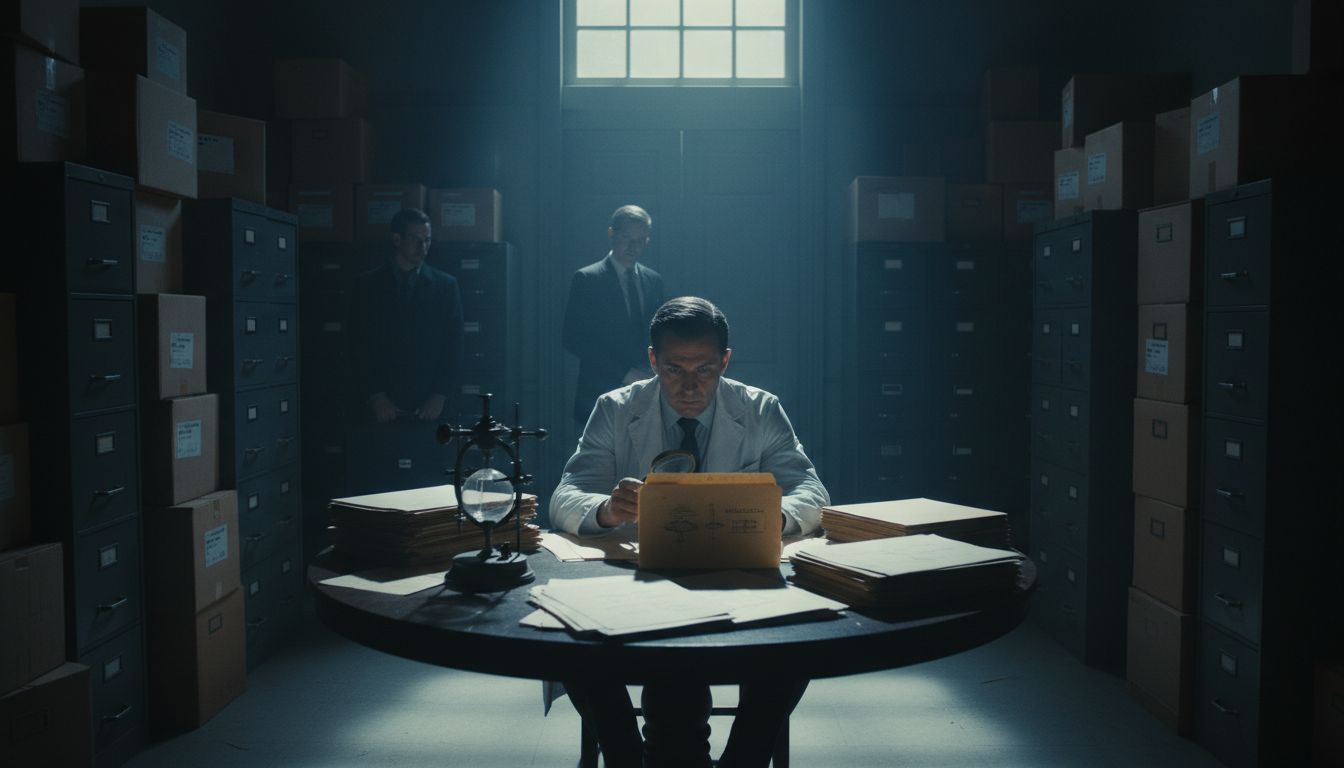
One of the most notable items in the new files concerns Dr. Leon Davidson, a chemical engineer who worked on the Manhattan Project and at Los Alamos before becoming deeply interested in UFO reports. According to archival materials at Columbia University, Davidson studied and collected UFO material from 1949 into the 1960s. In the newly released records, CIA officials appear to have been unusually guarded in responding to his inquiries about what he described as a possible “space message and its transmitter.”
In a confidential letter dated Jan. 9, 1958, R.P.B. Lohmann wrote to the CIA’s “Chief, Contact Division” and others that agency personnel had told Davidson they could not solve his problem because “records on the matter have been destroyed by the evaluating agency.” The wording stands out not only for its ambiguity, but for what it suggests about the degree of institutional distance maintained between the scientist and the intelligence service. For UFO researchers, the episode is another example of how early inquiries may have been handled with minimal transparency and maximum caution.
No definitive answers, but more unresolved cases
USA TODAY’s review of the new release found no immediate evidence of alien contact. Still, the files contain additional accounts of sightings and observations from the 1950s onward that investigators could not explain. That pattern is consistent with previous document dumps, which have gradually expanded the public archive without settling the core question of what some of these incidents were.
The fact that these cases remain unresolved matters in part because the government’s disclosure efforts are ongoing. Each new tranche adds context, but not finality. That has helped fuel a persistent cycle: disclosure advocates point to the existence of unexplained records as evidence of secrecy, while skeptics note that unexplained does not mean extraterrestrial.
Broader disclosure push continues
The new release also fits into a larger policy conversation about how the government should sort, rank and investigate UAP reports. As the volume of sightings and submissions grows, policymakers and researchers are increasingly focused on distinguishing routine misidentifications from cases that merit deeper scientific or intelligence review. That triage question has become central to disclosure efforts, especially as lawmakers press for more standardized reporting and better data collection.
For now, the latest files do not alter the basic picture: the U.S. government is still publicly releasing fragments of a decades-old mystery, and some of those records continue to suggest that officials were not always eager to answer questions from citizens and scientists. The result is a disclosure process that reveals more about how the government handled UFO inquiries than about the origin of the phenomena themselves.