Overview
Claims that Dublin’s Connolly Station is haunted have resurfaced in an article published by Moon Mausoleum on October 17, 2026. The account focuses on reports of unexplained activity inside or near the station after dark, including a supposed apparition of a soldier and alleged links to victims of the North Strand bombing of 1941. However, the material provides no independently verified evidence, official records or witness documentation to substantiate the paranormal claims.
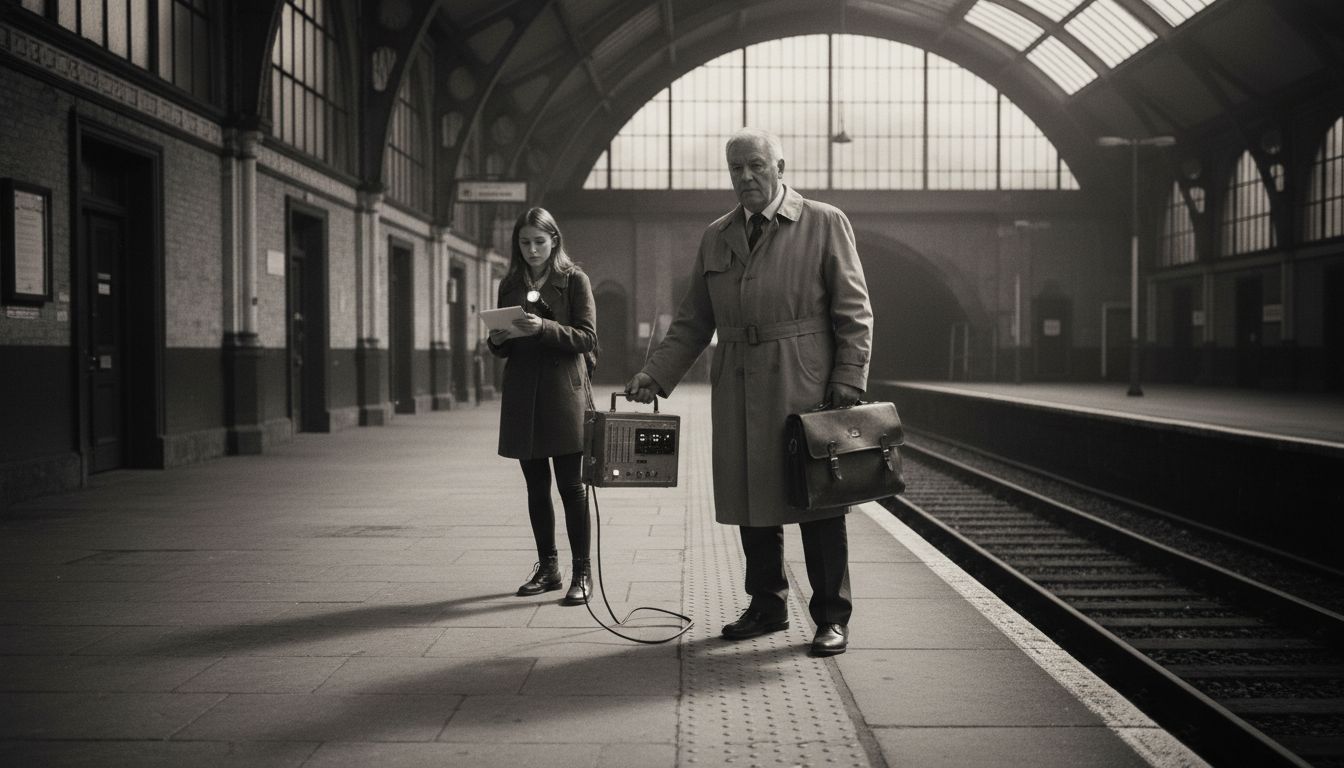
Connolly Station is one of Dublin’s principal railway hubs, serving large numbers of commuters and intercity passengers. The station, originally constructed in 1844, has undergone substantial changes over the decades. According to the article, its busy public spaces take on a different atmosphere after the last trains have departed, when closed platforms, restricted areas and reduced lighting may contribute to stories about unusual encounters.
The Reported Soldier
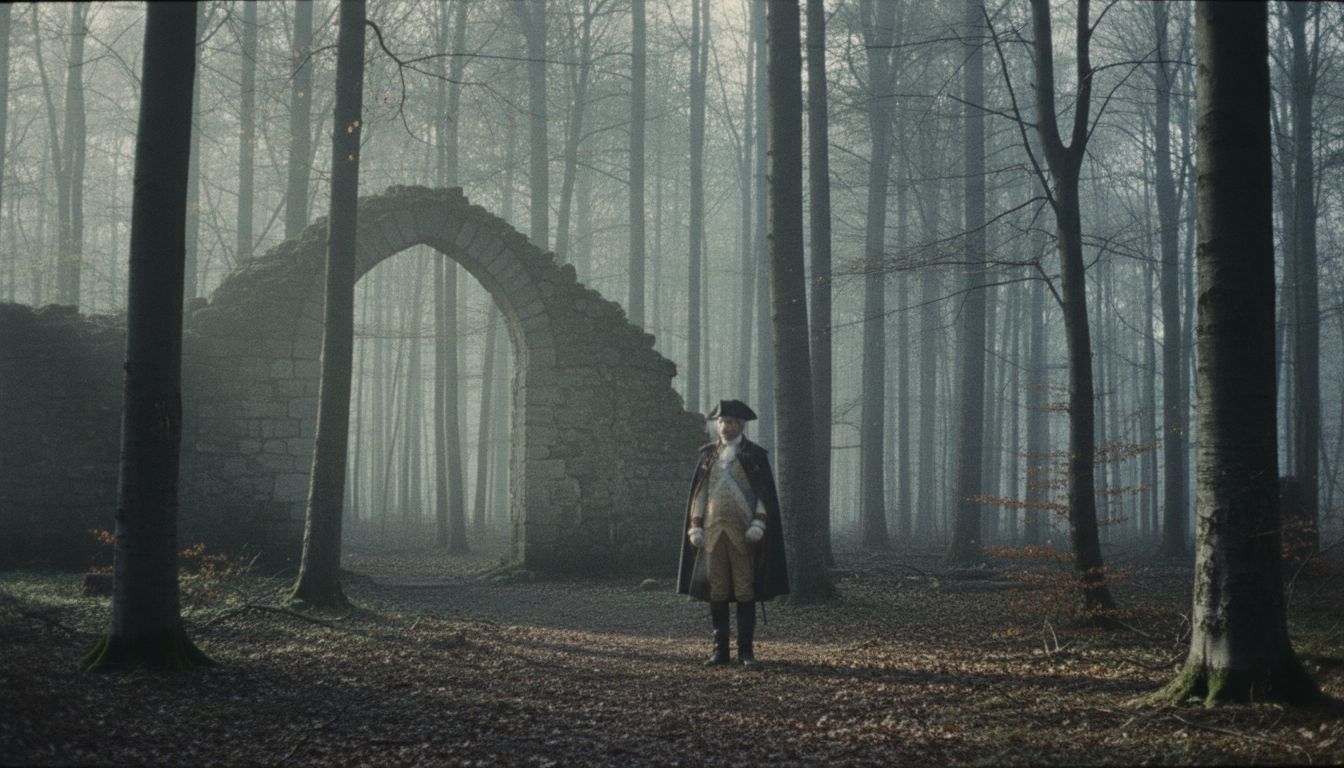
The central story concerns an alleged incident in 2011, when a night guard is said to have observed a figure moving along one of the station’s disused platforms through security monitors. The figure reportedly appeared to be a man wearing a “faded uniform of a soldier” and walking with what the account describes as a slow, weary gait.
The story says the guard went to investigate, but found the platform empty. The building was reportedly locked, and no explanation was identified for the image seen on the monitors. The figure then became part of the station’s online folklore, described as a soldier who “waits for a train that never comes.” The article does not identify the guard, provide footage from the cameras, or cite a police, railway or security report confirming that the incident occurred.
Links to the North Strand Bombing
The alleged apparition has been connected by some storytellers to the Dublin bombing of May 31, 1941, during the Second World War. Four German bombs struck the North Strand area of Dublin, despite Ireland’s neutrality, causing extensive damage to homes and streets. The Moon Mausoleum account states that 28 people were killed, with the worst destruction occurring around North Strand Road, close to Connolly Station.
That historical tragedy provides a possible explanation for why ghost stories became associated with the station and its surrounding district. Yet the source does not establish a direct connection between the reported figure and any individual victim, nor does it present historical evidence that the soldier was seen by multiple witnesses or was recognized as a person connected to the bombing.
Evidence and Context
Other claims mentioned in the article include doors opening without explanation, footsteps on empty platforms and security cameras allegedly recording movement where no person was present. Such reports can have ordinary explanations, including building movement, air pressure, mechanical faults, reflections, camera artifacts, animals or activity in areas outside a viewer’s immediate sightline.
No substantiated paranormal evidence is presented. There is no publicly cited video, technical analysis, named eyewitness testimony or confirmation from Iarnród Éireann, station management or law-enforcement authorities. As a result, the accounts are best understood as unverified folklore rather than established incidents.
The stories nevertheless illustrate how historical trauma can shape the legends attached to public places. Connolly Station’s age, disused areas and proximity to the North Strand bombing site provide a compelling setting for supernatural narratives, while the reported soldier adds a memorable image to the station’s mythology. For now, however, the question of whether Connolly Station is haunted remains a matter of storytelling—not documented fact.