Overview
The BBC’s latest analysis links Steven Spielberg’s 1977 science‑fiction classic Close Encounters of the Third Kind with the surge of UFO and UAP (Unidentified Anomalous Phenomena) disclosures that have dominated 2026. As the Pentagon releases a new batch of declassified sighting reports and public interest in extraterrestrial life reaches a decade‑high, the film’s themes of curiosity, official denial, and the quest for truth appear more resonant than ever. The piece argues that the movie functions as a cultural touchstone for today’s debate over government transparency and the possibility of intelligent life beyond Earth.
Cultural Resonance and Historical Context
When Close Encounters premiered, it tapped into Cold‑War anxieties and the lingering myth of the 1947 Roswell crash, portraying an ordinary family man—Richard Dreyfuss’s Roy Neary—who becomes obsessed with a mysterious rock‑shaped signal. The film’s iconic scenes, from the mashed‑potato sculpture to the glowing mothership, cemented a visual lexicon for “the alien encounter” that continues to shape public imagination. Over the past eight decades, conspiracy theories about a government‑wide cover‑up have migrated from fringe newsletters to mainstream media, a trajectory the BBC notes mirrors the film’s narrative arc of an individual confronting institutional secrecy.
Government Secrecy in the Spotlight
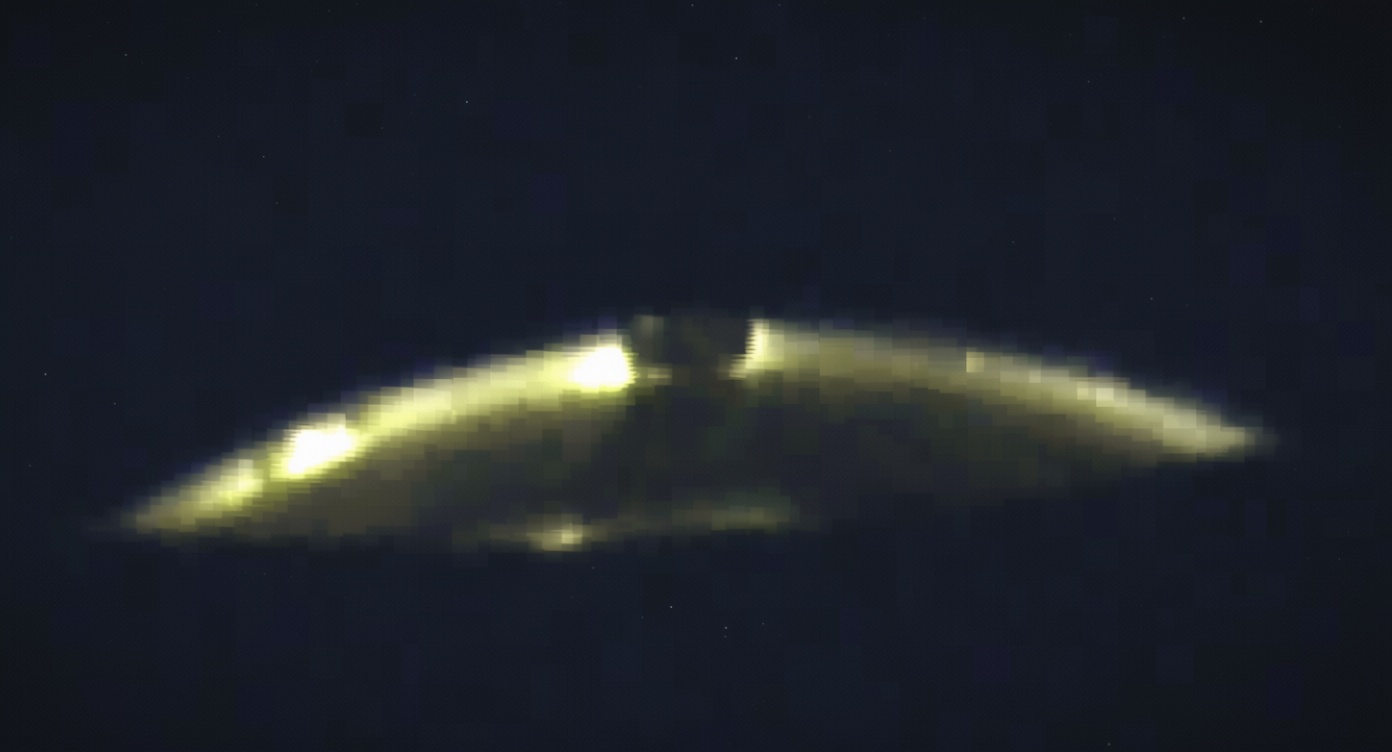
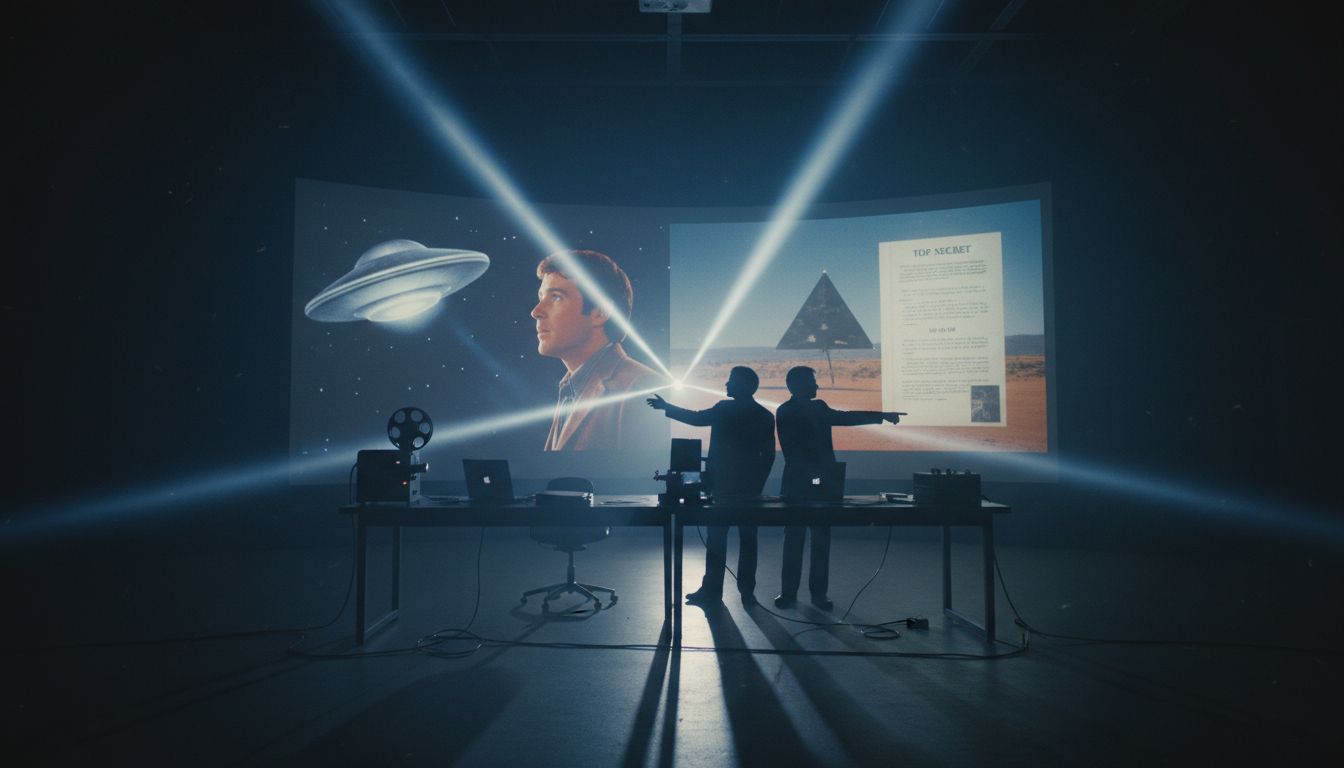
In the past year, the Department of Defense’s UAP Task Force has released three heavily redacted reports, acknowledging dozens of unexplained aerial phenomena captured by military sensors. While critics describe the disclosures as “underwhelming,” they have nevertheless sparked renewed congressional hearings and a surge in Freedom‑of‑Information requests. The BBC highlights how Close Encounters dramatizes a similar tension: the protagonist’s relentless pursuit of truth collides with a shadowy “Project” that seeks to suppress knowledge. By framing the UFO question as a matter of public right‑to‑know, the film offers a template for contemporary advocacy groups demanding fuller transparency.
Spielberg’s New Chapter: Disclosure Day
The relevance of Close Encounters is further underscored by Spielberg’s upcoming film Disclosure Day, slated for release later this year. Trailers confirming an extraterrestrial storyline sparked online speculation that the new movie would be a direct sequel, prompting the studio to clarify that it is “not a sequel to Close Encounters (sorry, internet).” Nevertheless, lead actress Emily Blunt described the project as a “third act” that builds on the emotional and thematic foundations of both Close Encounters and E.T. Spielberg himself reiterated this continuity in a recent trailer, stating, “I’m even more inclined now than I was when I made Close Encounters to really believe that we’re not the only intelligent civilisation in the Universe.” The linkage suggests the director intends to revisit the same public‑policy questions that once made the 1977 film a cultural flashpoint.
Outlook and Public Impact
As 2026 progresses, the convergence of cinematic nostalgia and real‑world disclosure is prompting renewed scholarly and journalistic scrutiny of how media shape policy discourse. Experts cited by the BBC note that films like Close Encounters provide a narrative framework that can either legitimize or trivialize serious investigations into UAPs. With Disclosure Day poised to arrive amid ongoing Pentagon briefings, the BBC warns that audience expectations may be heightened, potentially influencing legislative momentum on transparency. Whether Spielberg’s new work will deepen public understanding or simply capitalize on a trending topic remains to be seen, but the enduring legacy of Close Encounters confirms that the conversation about extraterrestrials—and the governments that study them—has never been more relevant.