Overview
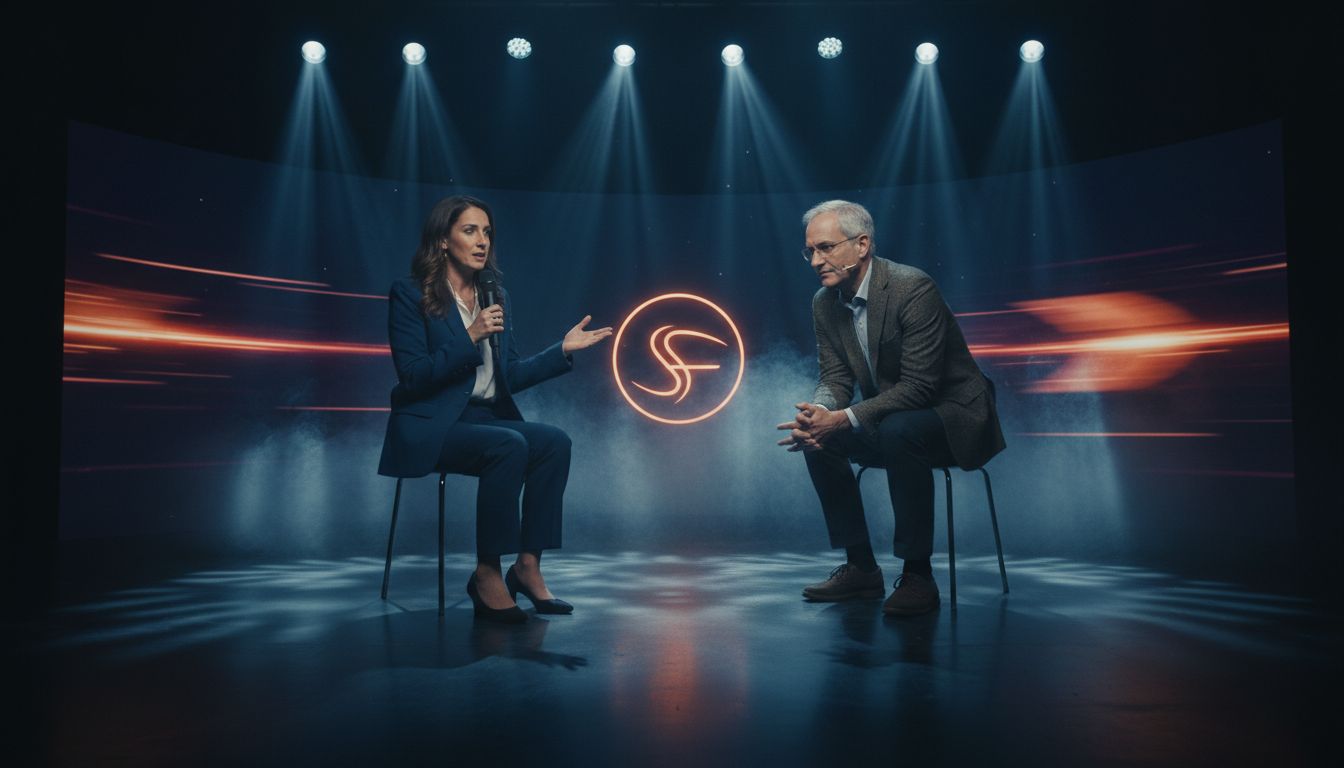
In a recent Sol Foundation interview hosted by Dr. Peter Skafish, U.S. Representative Anna Paulina Luna and Harvard astronomer Dr. Avi Loeb examined the current state of UAP (Unidentified Anomalous Phenomena) disclosure and the challenges facing both lawmakers and scientists. Luna highlighted recent congressional initiatives aimed at increasing transparency, while Loeb offered a measured scientific critique of the data released to date. The conversation also touched on historical incidents, international cooperation, and the broader cultural context surrounding UAP research.
Legislative Push for Transparency
Congresswoman Luna framed the present moment as “historic” for UAP oversight, citing a series of congressional hearings and the establishment of the All‑Domain Anomaly Resolution Office (AARO). She recounted an episode at Eglin Air Force Base in which she and fellow members of Congress were “stonewalled,” prompting her to demand greater access to classified material. Luna asserted that a witness testified under oath that the CIA intervened in an ODNI records review, physically seizing boxes that contained files on MK‑Ultra and the JFK assassination. She announced a scheduled hearing on MK‑Ultra documents for May 15, emphasizing her intent to prevent any further destruction of evidence and noting ongoing coordination with foreign partners such as Japan and El Salvador to compare UAP datasets.
Scientific Evaluation of Available Data
Dr. Loeb praised Luna’s leadership as “visionary” but expressed skepticism about the quality of the publicly released UAP material. He described the initial batch of videos and sensor readings as “not convincing,” pointing out that many anomalies could be explained by optical reflections, conventional aircraft, or known satellite technology. Loeb referenced high‑resolution imagery from the recent Artemis II lunar flyby, which he said contradicts earlier, more mysterious Apollo‑era observations. He argued that without sub‑inch resolution satellite data, scientific conclusions remain speculative, and that the Pentagon’s reluctance to share higher‑quality footage may stem from a desire to avoid congressional scrutiny after incidents such as the 2023 Chinese spy balloon.
Academic Landscape and Public Discourse
The discussion also addressed the stigma that many researchers encounter when studying UAPs. Loeb criticized a subset of self‑styled “science influencers,” which he labeled the “Kardashians of science,” for promoting sensational claims without peer‑reviewed publications. He stressed that credible investigation requires adherence to the evidence, even when findings run counter to prevailing narratives. Loeb’s remarks underscore a broader tension within academia, where funding and reputation concerns can discourage scholars from engaging openly with a topic that remains politically charged.
Outlook and Implications
Both participants agreed that the divide between legislative demand for openness and executive‑branch tradition of secrecy is widening. Luna remains optimistic that the “X‑files of Congress” will eventually be unsealed, restoring public confidence in governmental oversight. Loeb concluded that, irrespective of whether UAPs prove to be human‑made or extraterrestrial, thorough investigation is a matter of national security; the identification of even a single non‑human object would constitute “the greatest advancement in human history.” The interview thus highlights a pivotal moment where policy, science, and public interest intersect, setting the stage for future disclosures and scholarly inquiry.