Overview
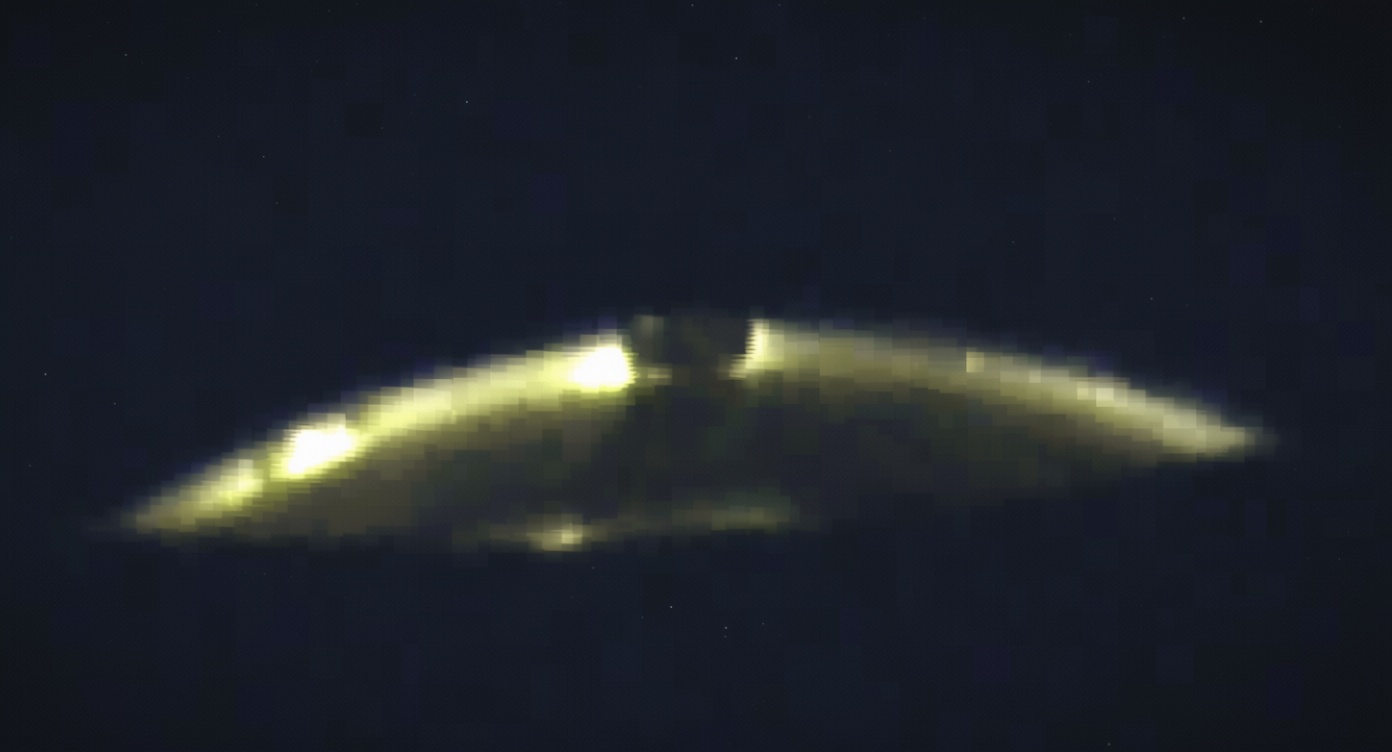
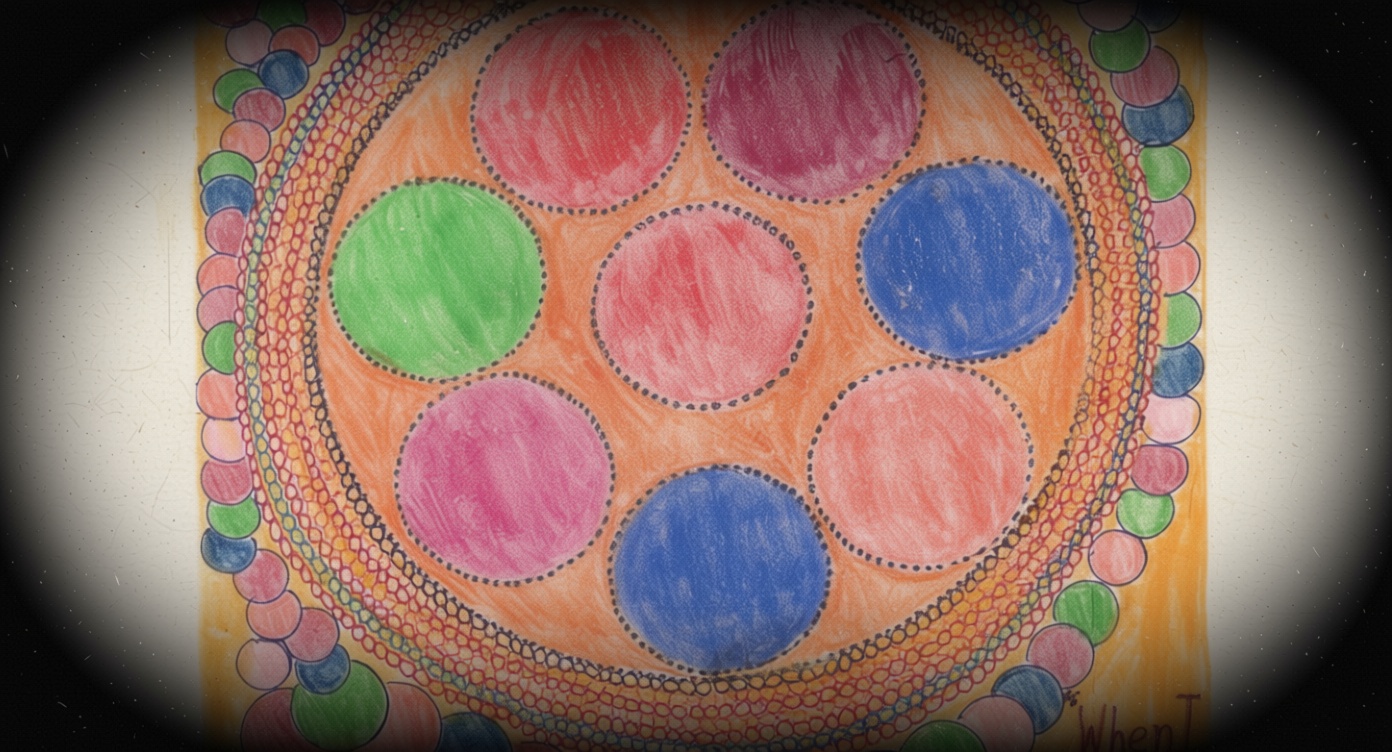
Harvard astronomer Avi Loeb is again making the case that instruments built for national security can also uncover unexpected scientific phenomena far beyond their original mission. In a new Medium essay, Loeb points to the Pentagon’s latest UAP disclosure materials, including a June 5, 2026 AARO report that he says describes an October 2023 incident in which officials observed an orange “mother” orb apparently releasing smaller red orbs. According to Loeb, roughly 40% of the event remains unexplained, a level of uncertainty he argues should be taken seriously rather than dismissed.
Loeb’s central claim is not that the report proves extraterrestrial intelligence, but that the data deserve scientific scrutiny. He writes that if even one of the objects involved were found to be non-human technology, the finding would represent a historic shift in humanity’s understanding of its place in the universe. The broader point of his essay is that security sensors often double as discovery instruments, revealing anomalies that can later become major scientific breakthroughs.
From national security to cosmic discovery
To support that argument, Loeb looks back to one of the most famous examples of a military program producing unexpected science: the Vela satellite mission of the 1960s. Originally designed to monitor compliance with the 1963 Partial Nuclear Test Ban Treaty, the satellites were intended to detect clandestine nuclear detonations in space using gamma-ray sensors. Instead, the system recorded an event on July 2, 1967 that did not resemble a nuclear explosion.
Researchers at Los Alamos, including Ray Klebesadel, Roy Olson, and Ian Strong, later found additional similar signals in the archived data. Their 1973 paper, Observations of Gamma-Ray Bursts of Cosmic Origin, helped announce the discovery of gamma-ray bursts, one of the most energetic phenomena in the universe. Loeb emphasizes that this breakthrough was possible only because a classified national-security program happened to observe something entirely different from its intended target.
The significance of the latest UAP report
Loeb draws a parallel between that history and the current wave of UAP disclosures. The AARO report he cites describes a 2023 incident that, according to his reading, included an orange orb acting like a “mother” object and smaller red objects emerging from it. While the report apparently leaves much of the event unresolved, Loeb argues that the unexplained portion is meaningful in itself, especially when the sensors involved are among the most sophisticated in government service.
That is where the tension lies: unexplained does not automatically mean alien. But for Loeb, the possibility that some fraction of the data might point to non-human technology is enough to justify deeper analysis, broader access to records, and more transparent scientific discussion. He frames the issue as one of methodology, not belief — urging researchers to treat anomalous sensor readings as potential data points rather than curiosities to be set aside.
What comes next
The larger significance of Loeb’s essay is its reminder that national-security infrastructure can generate civilian science of lasting importance. Just as Vela satellites helped reveal gamma-ray bursts, modern surveillance systems may be capturing atmospheric, astronomical, or technological phenomena not yet understood. The question, Loeb suggests, is whether governments and scientists are prepared to examine those anomalies openly.
For now, the AARO report remains an account of a partially explained event, not proof of extraterrestrial visitation. But the combination of advanced sensors, unresolved observations, and increasing public disclosure ensures that UAP reporting will continue to sit at the intersection of defense, astronomy, and speculation — with the stakes, as Loeb argues, potentially far larger than a single strange sighting in the sky.