Overview
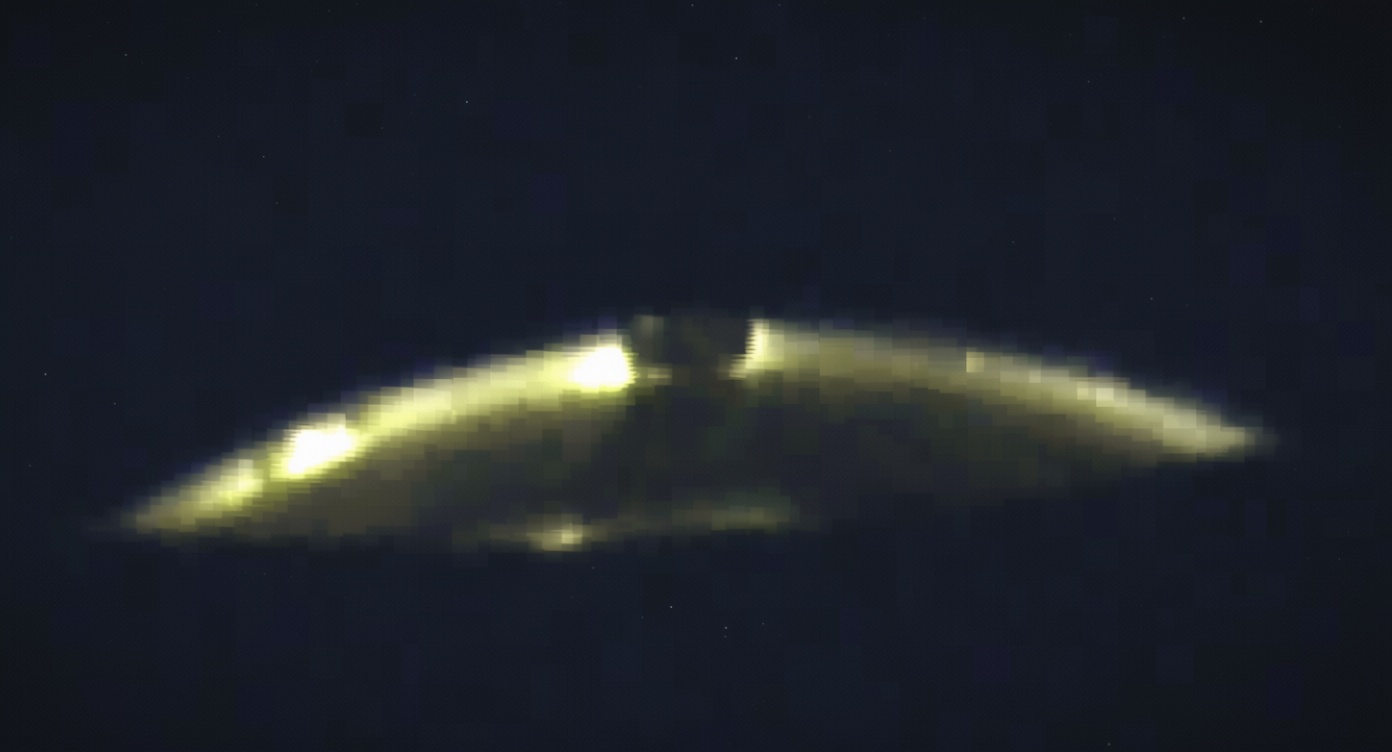
Christian creationist David Rives is urging believers to interpret reports of UFOs and extraterrestrial life through a biblical framework rather than through secular speculation, according to The Christian Post. In his view, the growing cultural fascination with aliens is not a neutral curiosity but a trend that could gradually weaken Christian beliefs about creation, human identity and the role of Scripture. Rives’ comments reflect a broader debate within some faith communities over how to respond to modern claims about unidentified aerial phenomena, space exploration and the possibility of life beyond Earth.
Biblical Interpretation vs. Secular Speculation
Rives argues that discussions about UFOs and aliens should begin with the Bible, not with assumptions drawn from science fiction, pop culture or popular online theories. From his perspective, Christians already have a framework for understanding the universe: God as creator, humanity as uniquely made in His image, and Scripture as the authoritative source for truth. In that view, unexplained sightings or strange aerial reports should not automatically be interpreted as evidence of extraterrestrial visitors. Instead, they should be examined cautiously and placed within a worldview shaped by faith.
His message comes at a time when public interest in the subject remains high. Government disclosures, congressional hearings on UAPs, and repeated media coverage have kept UFOs in the spotlight, while speculation about alien life continues to spread across podcasts, documentaries and social media. Rives appears to be warning that this broad cultural curiosity can pull Christians away from a biblical understanding of reality by encouraging them to accept explanations that sit outside their theological convictions.
Concerns About Faith and Cultural Influence
A central part of Rives’ argument is that the alien narrative could have deeper consequences than many people realize. He reportedly warns that popular enthusiasm for extraterrestrials may “erode our Christian foundation” by shifting trust away from Scripture and toward secular or speculative explanations. That concern is rooted in the belief that once supernatural or unexplained phenomena are detached from biblical interpretation, they may be used to question essential Christian teachings about creation, divine authority and the uniqueness of human beings.
This view is not uncommon among conservative Christians who see modern UFO discourse as part of a broader cultural drift away from biblical values. For them, the issue is not merely whether intelligent life may exist elsewhere in the universe, but whether the public conversation about aliens is being used to normalize ideas that conflict with Christianity. Rives’ comments place him firmly in that camp, presenting the debate as one about spiritual discernment rather than only astronomy or national security.
Broader Context
The discussion around UFOs, or UAPs as they are increasingly called, has moved from fringe topic to mainstream issue in recent years. That shift has opened the door to a wide range of interpretations, from scientific inquiry to spiritual speculation. Rives’ perspective highlights how religious leaders and commentators are trying to shape that conversation for faith audiences, especially those concerned that fascination with extraterrestrials could displace traditional Christian teaching.
At its core, his warning is a cultural one: that the more attention society gives to aliens as an explanation for the unknown, the more room there may be for confusion about what Christians believe is ultimately true. Whether one agrees with his interpretation or not, Rives is tapping into a significant tension between modern curiosity about the unexplained and long-standing religious claims about the nature of reality.