Overview
Veteran science writer and skeptic Michael Shermer, long‑time chronicler of unidentified aerial phenomena (UAP), delivered a sobering assessment at a recent symposium on UFO research. Drawing on decades of investigative work, Shermer argued that the overwhelming majority of reported sightings can be traced to ordinary, terrestrial explanations—ranging from atmospheric optics to misidentified aircraft. He called on investigators, journalists, and the public to adopt a more rigorous, evidence‑based methodology before leaping to extraterrestrial conclusions.
Key Findings
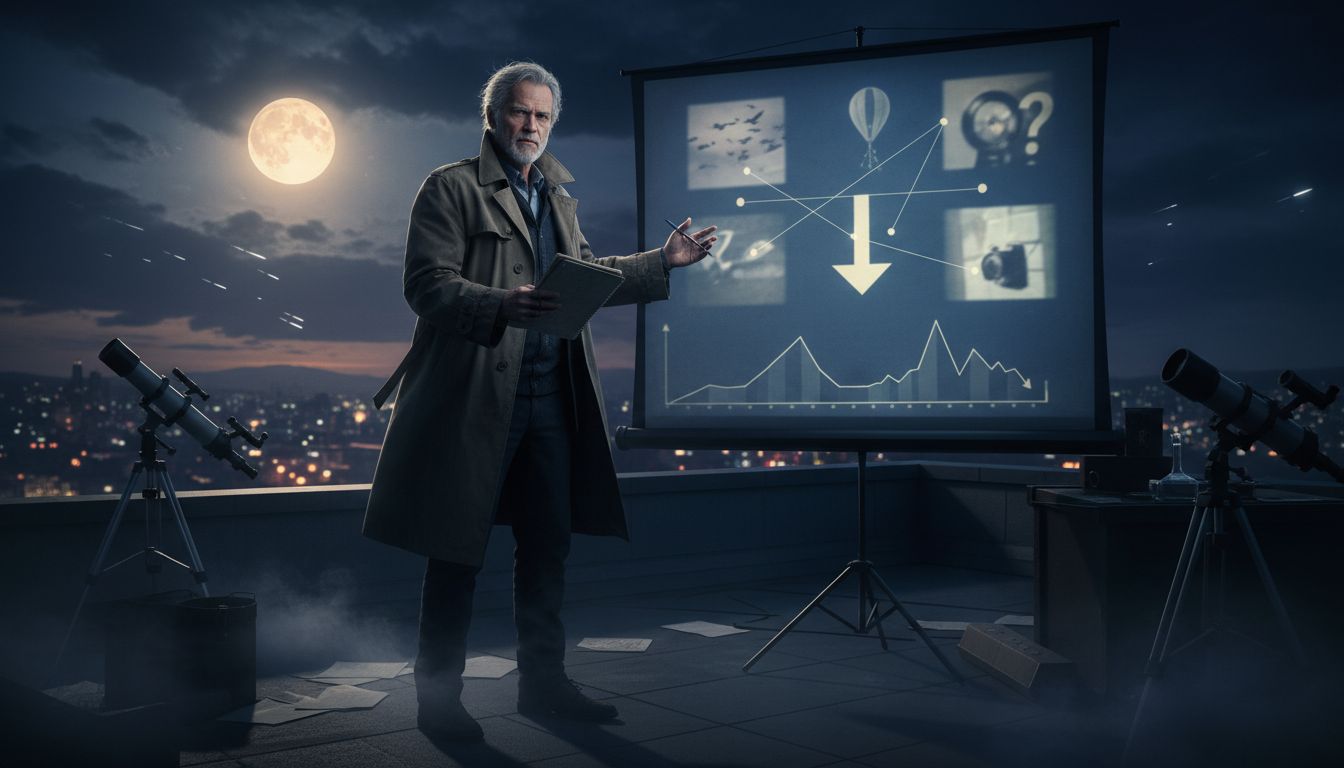
Shermer’s analysis rests on three pillars: data quality, methodological consistency, and reproducibility. He noted that out of the 3,400 UAP reports submitted to the U.S. Office of the Director of National Intelligence (ODNI) in the past two years, approximately 92 % were later identified as conventional phenomena such as weather balloons, commercial drones, or reflections off ice crystals. “When you strip away the sensational headlines, you’re left with a pattern of mundane sources masquerading as the extraordinary,” he said. Shermer highlighted several high‑profile cases that were ultimately demystified: a 2024 “fleet of lights” over the Pacific Northwest was linked to a synchronized drone light show, while a 2025 “orb” observed over New York’s Hudson River was traced to a rare atmospheric mirage known as a “glory.”
Scientific Approach
Emphasizing the need for rigorous, peer‑reviewed research, Shermer urged UFO investigators to treat each report as a hypothesis test rather than a confirmation of alien visitation. He advocated for standardized data collection protocols, including calibrated imaging equipment, precise geolocation, and timestamp verification. “Science advances by falsifying hypotheses, not by stacking anecdotes,” he warned. Shermer also called for greater collaboration between governmental agencies, academic institutions, and independent researchers, proposing a centralized, open‑access database that logs raw sensor data alongside analyst notes.
Caution Against Premature Conclusions
Shermer cautioned that the cultural fascination with extraterrestrials can cloud objective analysis. “The allure of the alien narrative is powerful, but it should not replace the disciplined pursuit of truth,” he remarked. He referenced the 2023 “Phoenix Lights” incident, noting that despite extensive media coverage and public speculation, subsequent investigations revealed a combination of military training exercises and atmospheric conditions. Shermer’s stance aligns with the broader scientific community’s call for evidence‑first reporting, urging journalists to verify sources and avoid sensationalism that can erode public trust.
Implications for Policy and Public Discourse
If adopted, Shermer’s recommendations could reshape how governments allocate resources to UAP investigations. By focusing on data integrity and interdisciplinary cooperation, agencies might better differentiate genuine security concerns—such as unidentified objects that could pose a threat to aviation—from harmless misidentifications. Moreover, a transparent, methodical approach may alleviate public anxiety and reduce the spread of misinformation. As Shermer concluded, “A disciplined, skeptical inquiry not only safeguards scientific credibility but also preserves the wonder of discovery for when—and if—something truly unexplainable does appear.”
In summary, Michael Shermer’s latest commentary reinforces a growing consensus among skeptics and scientists: most UFO sightings have prosaic origins, and only through meticulous, evidence‑driven investigation can the few truly anomalous cases be identified. His call for heightened scientific standards aims to balance public curiosity with the rigor essential to credible research, ensuring that the conversation about UAPs remains grounded in fact rather than fantasy.