Overview
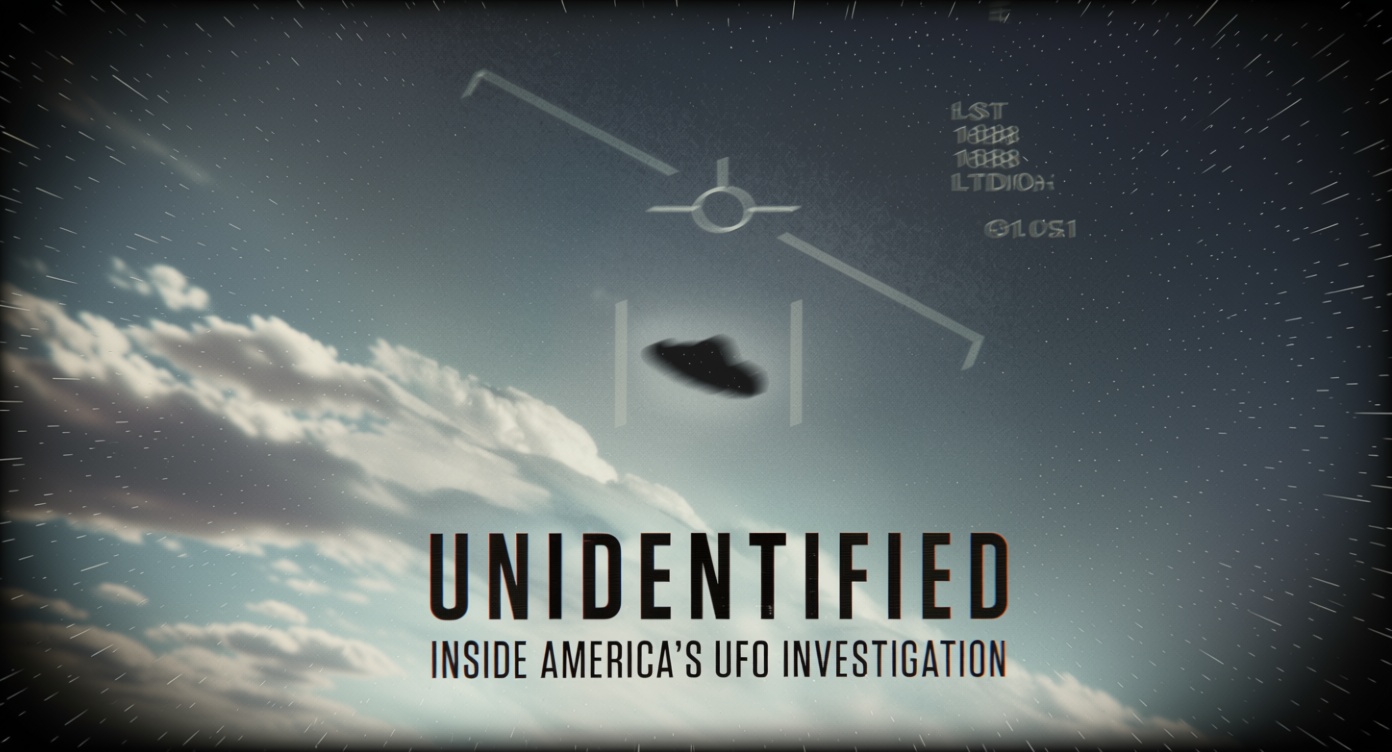
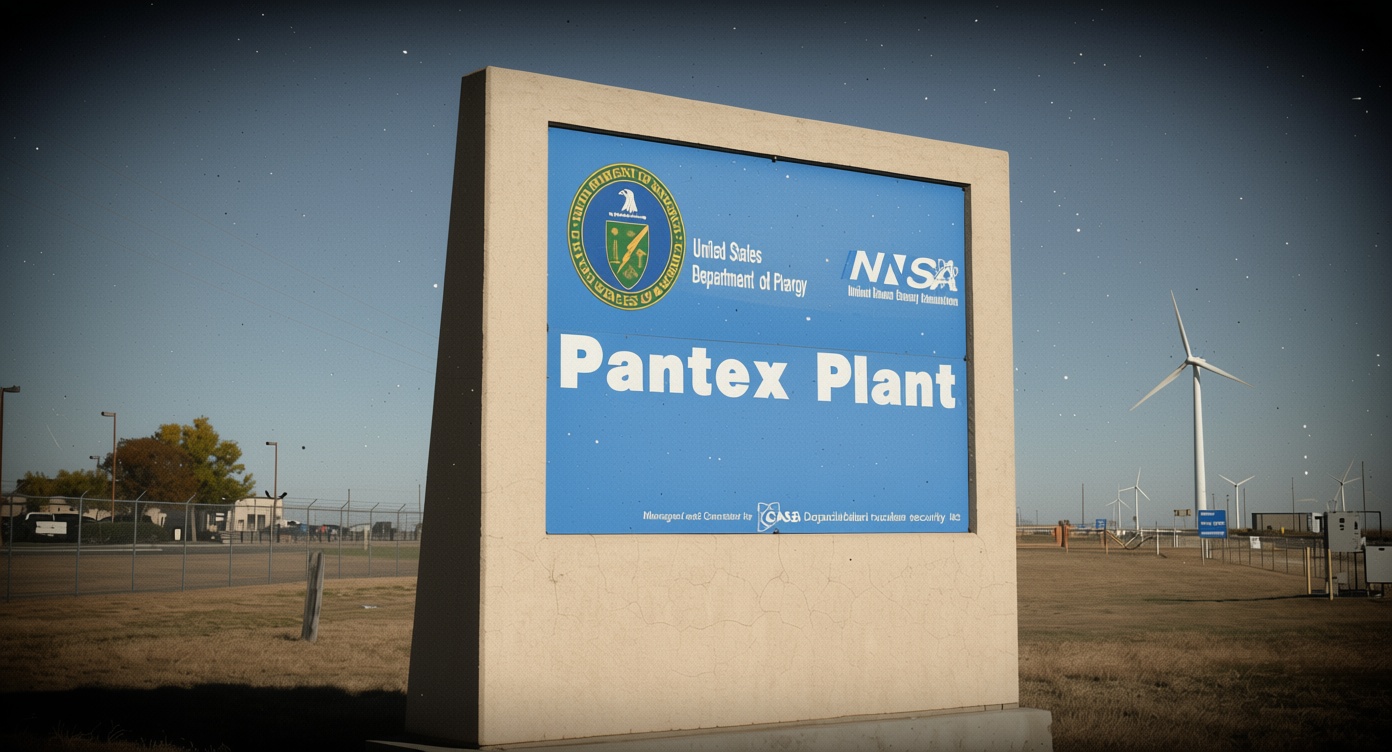
Declassified documents are drawing renewed attention to a 2015 report of a “silent” UFO sighting near the Pantex nuclear facility in Amarillo, Texas. The files, made public years after the alleged encounter, add another entry to the long-running record of unexplained aerial activity reported around sensitive nuclear sites. While the headline information does not provide a clear identification of the object, the case is notable because it involves one of the most security-sensitive locations in the Texas Panhandle.
Pantex is widely known as a major nuclear weapons assembly and disassembly facility, which makes any unusual aerial report in the area especially attention-grabbing. In the absence of an official explanation in the material provided, the documents mainly serve to confirm that the event was documented and later declassified, rather than resolved.
What the documents describe
According to the declassified files referenced in the report, the 2015 incident involved an object described as “silent” while observed near the Pantex site. The available summary does not include a full incident narrative, witness details, or technical analysis, and it does not state whether the object was tracked by radar, seen visually only, or investigated by local or federal authorities.
That lack of explanation is part of what keeps such cases in the public conversation. When reports involve unidentified aerial activity near nuclear facilities, they tend to attract outsized interest because of the potential implications for airspace security, surveillance, and the reliability of existing detection systems. Even when no threat is ultimately confirmed, the mere presence of an unexplained object near a restricted facility is enough to prompt scrutiny.
Why nuclear-site sightings matter
Reports of unusual aerial phenomena around nuclear installations have long been of interest to researchers, historians, and defense observers. The reason is straightforward: nuclear sites are among the most heavily monitored locations in the country. If an object is reported there and remains unidentified, it raises questions not only about what was seen, but also about how it evaded immediate classification.
In that context, the Pantex documents fit into a broader pattern of UAP reporting tied to sensitive government infrastructure. Such cases often become part of later public debates about whether unexplained incidents reflect simple misidentification, gaps in monitoring, or something more unusual that has not yet been fully documented.
Public interest and unanswered questions
The declassification of the files does not appear to settle the matter. Instead, it underscores how many UAP-related reports remain unexplained rather than solved. The “silent” description alone is likely to fuel speculation, but without more detail from the documents, there is no basis to conclude what the object was or whether it posed any actual risk.
What the report does establish is that the sighting was taken seriously enough to be recorded and preserved. For residents in Amarillo and others following UAP developments, the case reinforces a familiar theme: the most intriguing sightings are often those that occur near places where the public expects the most oversight, yet still leaves behind the fewest answers.
A familiar pattern, still unresolved
The Pantex sighting joins a growing archive of declassified or previously obscure reports that continue to shape public understanding of unidentified aerial activity. As more records emerge, they often confirm that unusual events were tracked, discussed, and sometimes filed away without a definitive explanation.
For now, the 2015 incident near Pantex remains exactly what the documents describe it as: a reported silent UFO sighting near a nuclear facility, with no explanation provided in the available material. That uncertainty is what keeps the story relevant—and why declassified records like these continue to draw attention years after the original event.