Overview
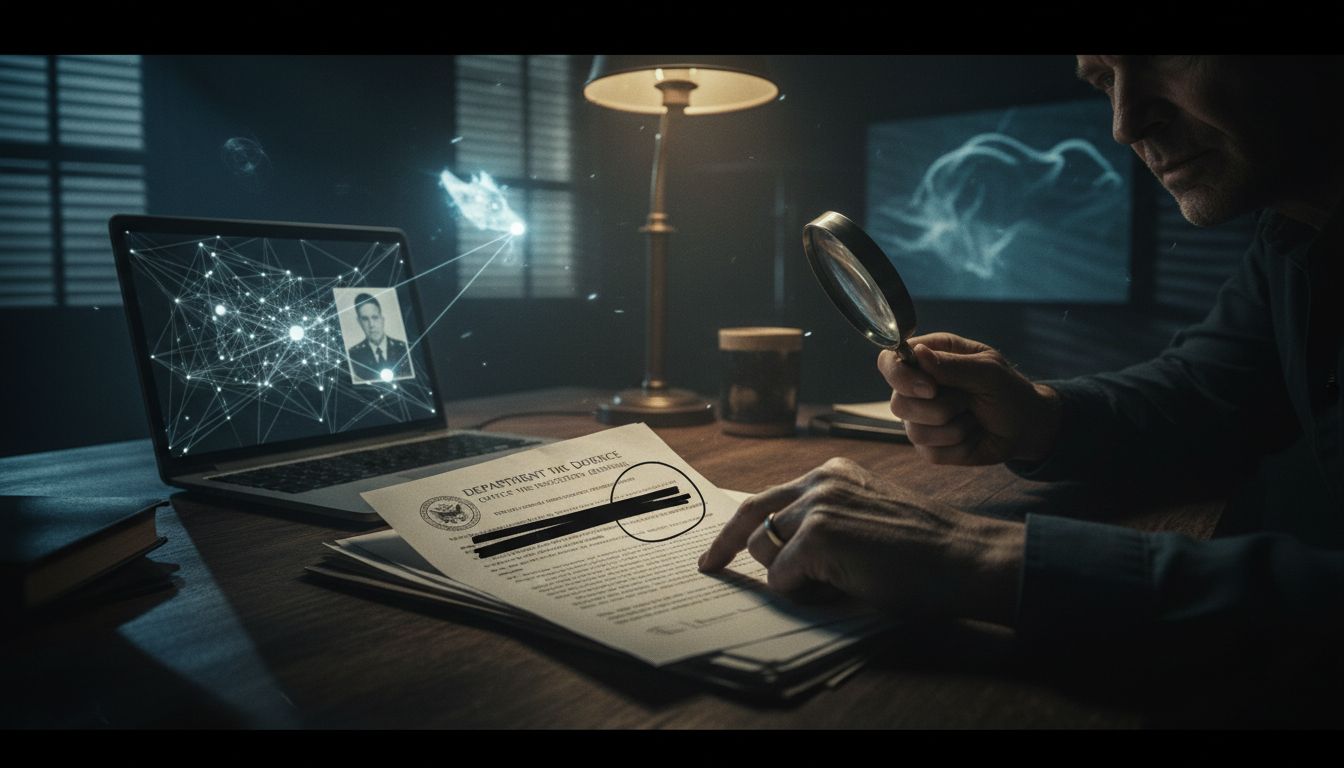
A heavily redacted Department of Defense Office of Inspector General (DoD OIG) report released on January 7, 2026, sheds new light on a whistleblower retaliation case tied to UAP (Unidentified Anomalous Phenomena) reporting. The investigation, prompted by a Freedom of Information Act request filed by The Black Vault in April 2025, examined whether officials improperly revoked a classified‑access clearance after the complainant disclosed UAP‑related information to the OIG. While the report never names the individual, the timeline and subject matter align closely with the public filings of former intelligence official David Grusch, a figure who has become a focal point in recent UAP disclosures.
Findings of the OIG Investigation
The OIG’s executive summary states:
“We conducted this investigation in response to a reprisal complaint alleging that officials at the [REDACTED] revoked [REDACTED] (the Complainant) eligibility for access to classified information … in reprisal for reporting Unidentified Anomalous Phenomena (UAP)-related matters to the DoD Office of Inspector General.”
According to the report, the complainant made four protected disclosures, one of which was directly to the DoD OIG. The adverse actions centered on two clearance‑related notices issued by the Consolidated Adjudications Facility (CAF): an August 29, 2022 Letter of Intent (LOI) and Statement of Reasons (SOR) proposing revocation, and a December 12, 2022 final revocation letter. Both documents were heavily redacted, obscuring the specific programs and agencies involved. The OIG concluded that there was no evidence of wrongdoing on the part of the officials who acted on the clearance process, but it noted extensive internal confusion over the definition of “whistleblower” and the applicability of reprisal protections to UAP‑related disclosures.
Whistleblower Context and the Grusch Connection
Although the report does not confirm the identity of the complainant, the chronology mirrors the public record of David Grusch, who filed a whistleblower complaint in 2023 alleging that the DoD had concealed evidence of advanced aerial phenomena. Grusch has repeatedly declined interview requests from The Black Vault, leaving analysts to infer the link based on overlapping dates and the nature of the classified‑access revocation. The lack of a clear naming convention in the OIG’s findings reflects a broader pattern of over‑redaction that hampers external verification and fuels speculation about the treatment of UAP whistleblowers within the defense establishment.
Policy Implications and Legislative Action
In parallel with the OIG release, Americans for Safe Aerospace (ASA) issued a white paper warning that the “medicalization” of UFO sightings—where pilots are urged to attribute anomalous observations to physiological or psychological factors—can suppress critical safety data. ASA argues that this practice discourages pilots from reporting genuine UAP encounters, thereby limiting the Department of Defense’s ability to assess potential air‑space threats. The paper backs a 2025‑reintroduced bill (the “UAP Pilot Protection Act”) that would extend federal whistleblower protections to aviators who report UAPs, shielding them from retaliation and ensuring that safety‑related information reaches the appropriate oversight bodies.
Reactions and Next Steps
The DoD has not issued a formal comment on the OIG’s conclusions, citing the report’s redacted status. Congressional staffers, however, have expressed interest in the findings, noting that the absence of clear guidance on whistleblower definitions could impede future investigations. Advocacy groups such as ASA are urging the Senate Armed Services Committee to hold hearings on the bill, emphasizing that robust reporting mechanisms are essential for both national security and aviation safety. As the debate unfolds, the combination of the OIG’s limited‑scope clearance review and the broader push for legislative safeguards underscores a growing demand for transparency and accountability in the handling of UAP‑related information.


