Overview
Airport safety trainers at Doncaster Sheffield Airport (DSA) have begun incorporating a 2014 UFO sighting reported by a former airline pilot into routine briefings. The anecdote, first publicised in the wake of the pilot’s claim of an unidentified aerial phenomenon over Doncaster, is now being used as a hook to capture staff attention during otherwise routine safety sessions. Trainers say the story serves as a “sugar bomb” – a memorable, light‑hearted entry point that leads into serious discussions about drone intrusions, airspace violations and other operational hazards.
The 2014 Sight‑ing
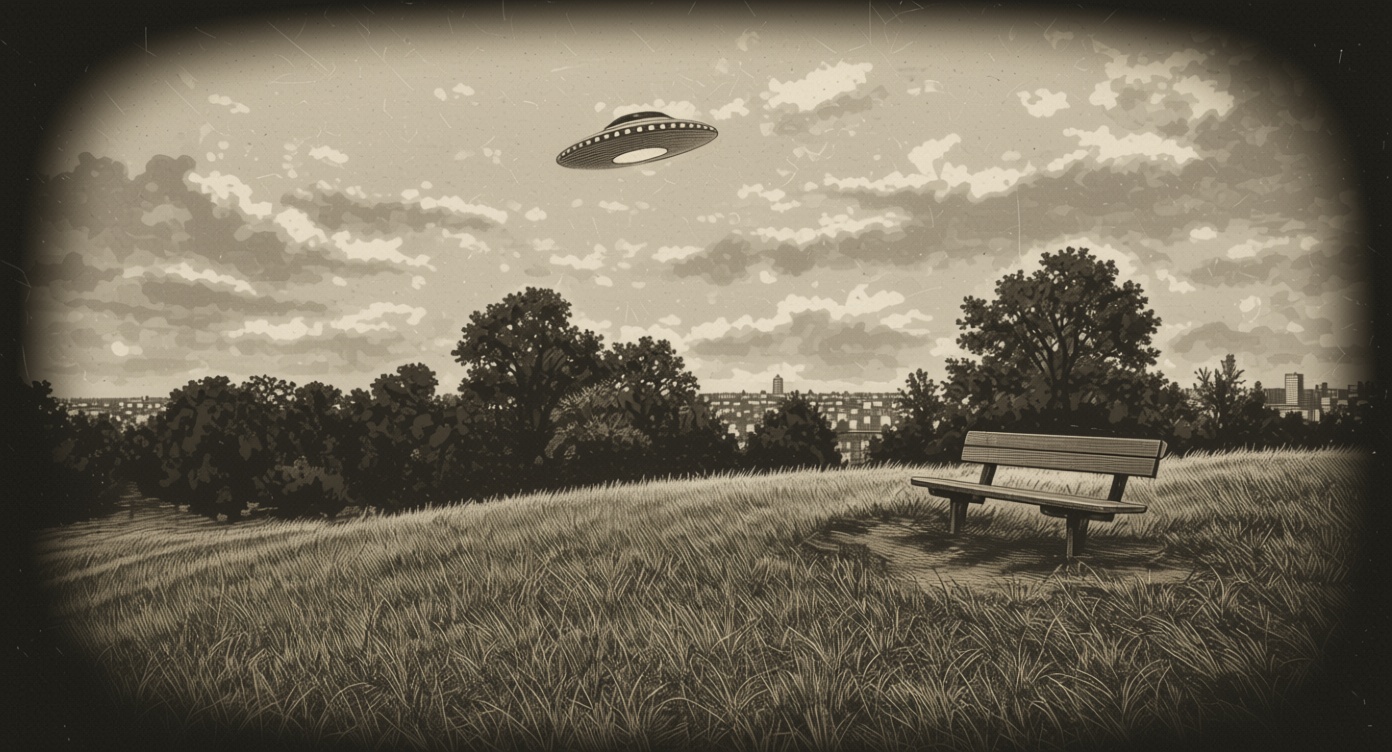
In 2014, a veteran pilot who had logged thousands of flight hours reported a luminous, disc‑shaped object hovering above the Doncaster area while on a routine flight path. Although the incident was never substantiated by radar data, it attracted media coverage and entered local folklore as one of the region’s most talked‑about UFO reports. Aviation enthusiasts and UFO researchers have cited the pilot’s account over the years, but official investigations concluded that the sighting could not be linked to any known aircraft or atmospheric phenomenon.
Turning a Tale into Training Material
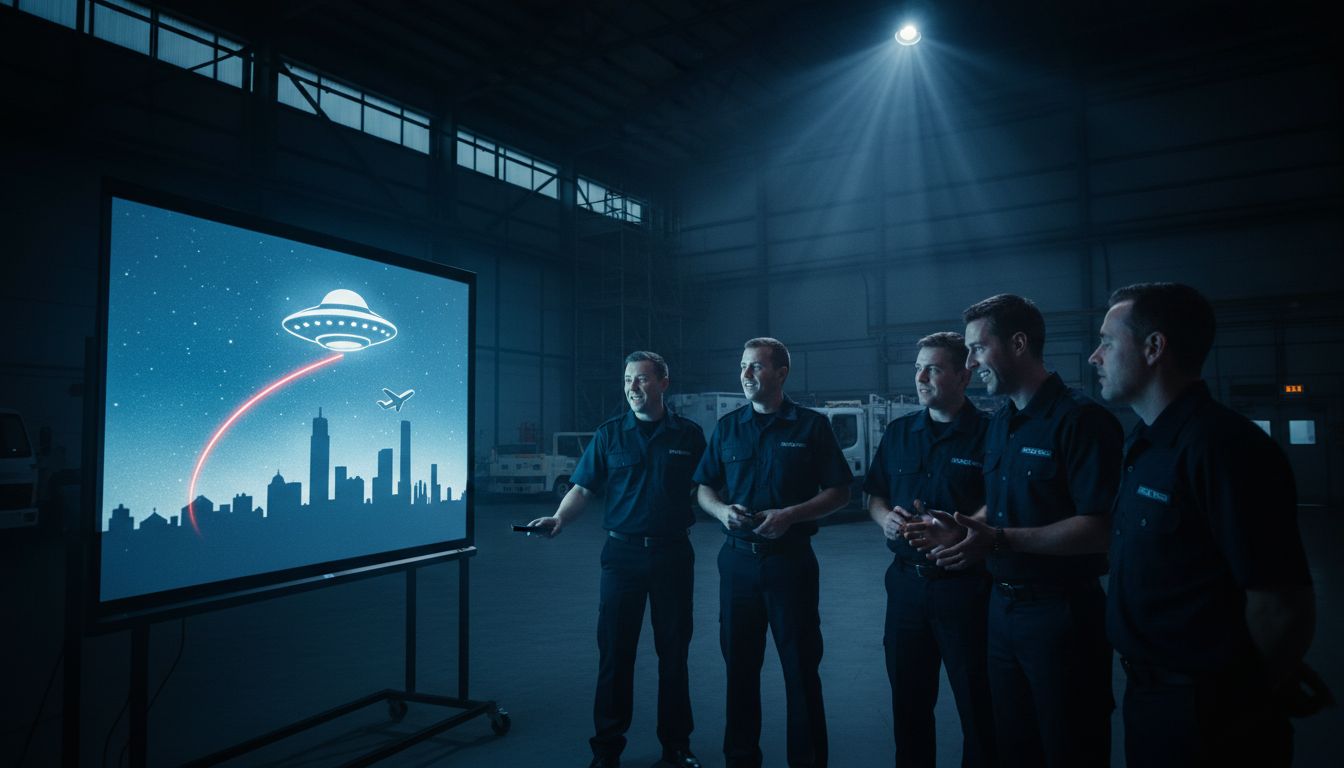
During a recent safety briefing, instructors opened with a short video clip of the pilot’s description, then pivoted to the real‑world risk of unauthorized drones near the airport perimeter. “We wanted to spice things up, but also bring a bit more attention** to the growing drone threat,” said Councillor Kieran Lay, who delivered the opening remarks at a City of Doncaster Council meeting. Lay described his own UFO‑themed speech as a “sugar bomb” designed to “lighten the mood while making a serious point about safety.” The approach, he added, mirrors techniques used in other high‑risk industries where vivid anecdotes help embed procedural memory.
Reopening Plans and the Push for a UAP Committee
Doncaster Sheffield Airport has been closed to passenger traffic since 2022, but the council is spearheading a project to revive the facility for both passenger and cargo operations. As part of the reopening strategy, Lay proposed the creation of a UAP (Unidentified Aerial Phenomena) safety committee to coordinate monitoring efforts across Yorkshire. He cited a recent NASA recommendation urging local authorities to adopt an evidence‑based, proactive stance on UAPs, emphasizing that “why would Doncaster not want to lead the way in Yorkshire?” The proposed committee would work alongside existing aviation authorities to address not only mysterious sightings but also concrete threats such as drone incursions, which are already prohibited within a 5 km radius of active airports without explicit permission.
Official Reactions and Wider Implications
Simon Hinchley, executive director of DSA, stressed that the airport’s primary responsibility is ensuring safety in the airfield environment, not policing UFO activity. “We have drone detection equipment deployed around the aerodrome, and breaches of the 5 km restriction can result in significant fines and custodial sentences,” Hinchley told the BBC. While acknowledging the novelty of using UFO stories in training, he warned that sensationalism must not eclipse factual risk management. Aviation safety experts concur that engaging anecdotes can improve retention, provided they are clearly framed as illustrative tools rather than evidence of extraterrestrial threats. As DSA moves toward reopening, the blend of quirky storytelling and rigorous safety protocols illustrates a broader trend: leveraging cultural touchstones to reinforce critical operational standards without compromising professionalism.