Overview
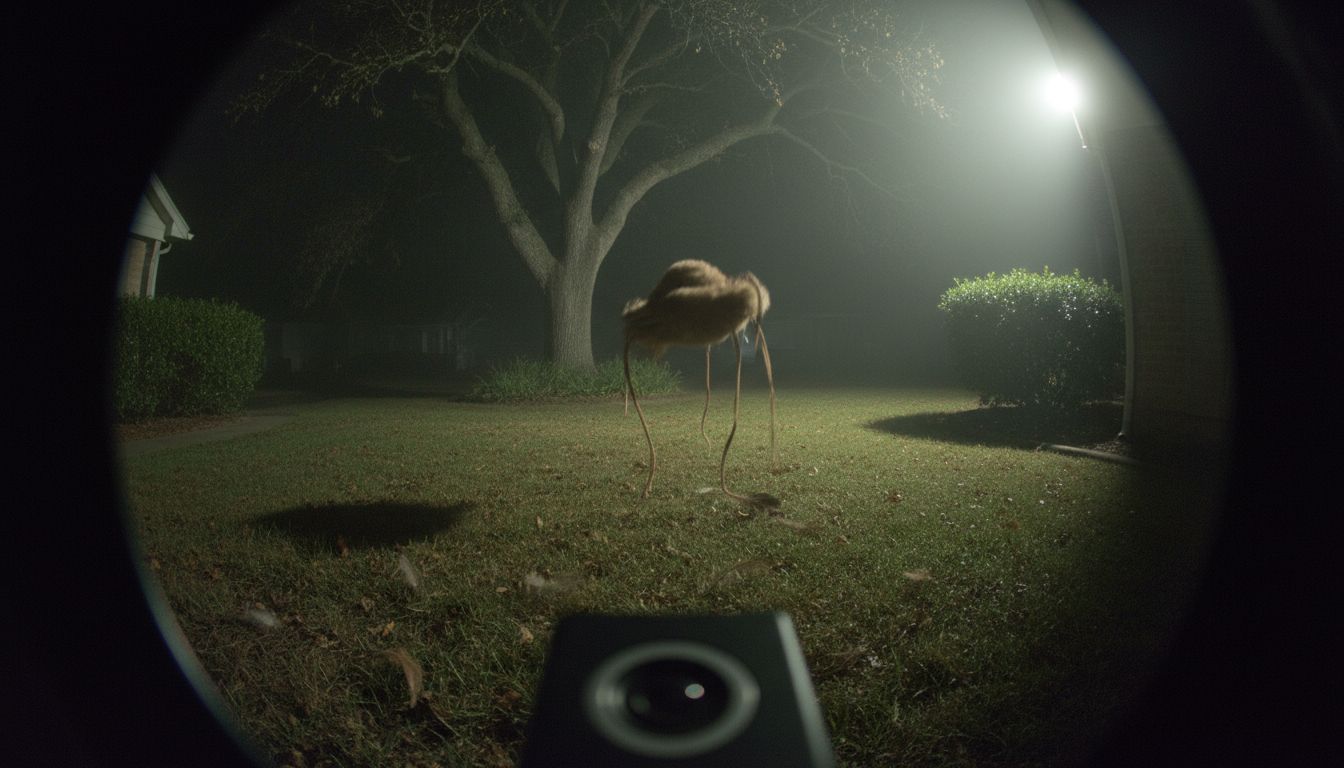
On March 5, 2026, a homeowner in the United States received an alert from a door‑bell camera that appeared to show a hovering, unidentified object in the front yard. Within minutes, the clip was shared on TikTok, Reddit and Twitter, where users quickly labeled it a UFO. By the end of the day, mainstream fact‑checking outlets had identified the “mysterious craft” as a brown chicken perched on a low fence, its feathers catching the camera’s motion‑blur. The episode underscores how rapidly ordinary footage can be recast as extraordinary, especially when algorithms amplify sensational narratives.
The Incident
The homeowner, who asked to remain anonymous, installed a Ring door‑bell camera earlier this year. At approximately 7:15 p.m., the device’s motion sensor triggered an alert, and the live‑stream captured a brown‑feathered bird momentarily suspended above the driveway. “I thought it might be a drone or some kind of glitch,” the homeowner told Newsweek. The short clip, lasting less than ten seconds, showed the bird’s silhouette against a dimly lit background, creating the illusion of a floating object. The homeowner’s initial uncertainty, combined with the camera’s low resolution, set the stage for speculative interpretation.
Social Media Reaction
Within an hour, the video was posted to TikTok under the caption “UFO in my backyard!!” and amassed over 120,000 views. Reddit’s r/UFOs thread labeled it “definitely not a bird,” while Twitter users added hashtags such as #UFOsightings and #AliensAmongUs. One commenter wrote, “If it’s a chicken, why is it hovering? This is proof that we’re not alone.” The rapid spread illustrates how algorithmic amplification can turn a mundane animal sighting into a viral mystery, often outpacing any immediate verification.
Fact‑Checking and Clarification
Newsweek’s fact‑check team, in collaboration with an avian expert from the Audubon Society, examined the footage frame‑by‑frame. Dr. Laura Martinez, an ornithologist, explained, “The bird’s flight pattern matches that of a domestic chicken startled by a sudden movement; the apparent ‘hovering’ is a brief pause as it steadies itself before taking off.” The team also noted that the camera’s wide‑angle lens can create visual distortions, especially in low light. By 11 p.m. the same evening, the story was updated to reflect the expert analysis, and the original post was labeled “misinformation” on several platforms.
Broader Implications
The “brown chicken” episode is a reminder that visual misinformation can proliferate even without malicious intent. Researchers at the University of California, Berkeley, have warned that the combination of low‑resolution home security footage and the human tendency to seek patterns can fuel false UFO claims. Media literacy advocates argue that platforms should prioritize context—such as timestamps and expert commentary—when algorithms flag potentially sensational content. As smart‑home devices become more ubiquitous, the line between genuine curiosity and unfounded hysteria will increasingly depend on swift, transparent fact‑checking and public education.


