Overview
A recent Coast to Coast AM segment highlighted three separate UFO‑related incidents reported from across Latin America. The most vivid account comes from a group of hikers who encountered an unexplained, pulsating light while trekking along Mexico’s Pacific coastline. The segment also examined a blurry photograph of a bird that some claim captured a flying saucer in Argentina, and a contested sighting of a disc‑shaped object over a Brazilian highway. While the reports have sparked online discussion, investigators from academia and local authorities are leaning toward conventional explanations rooted in human activity and environmental factors.
The Mexican Coast Light
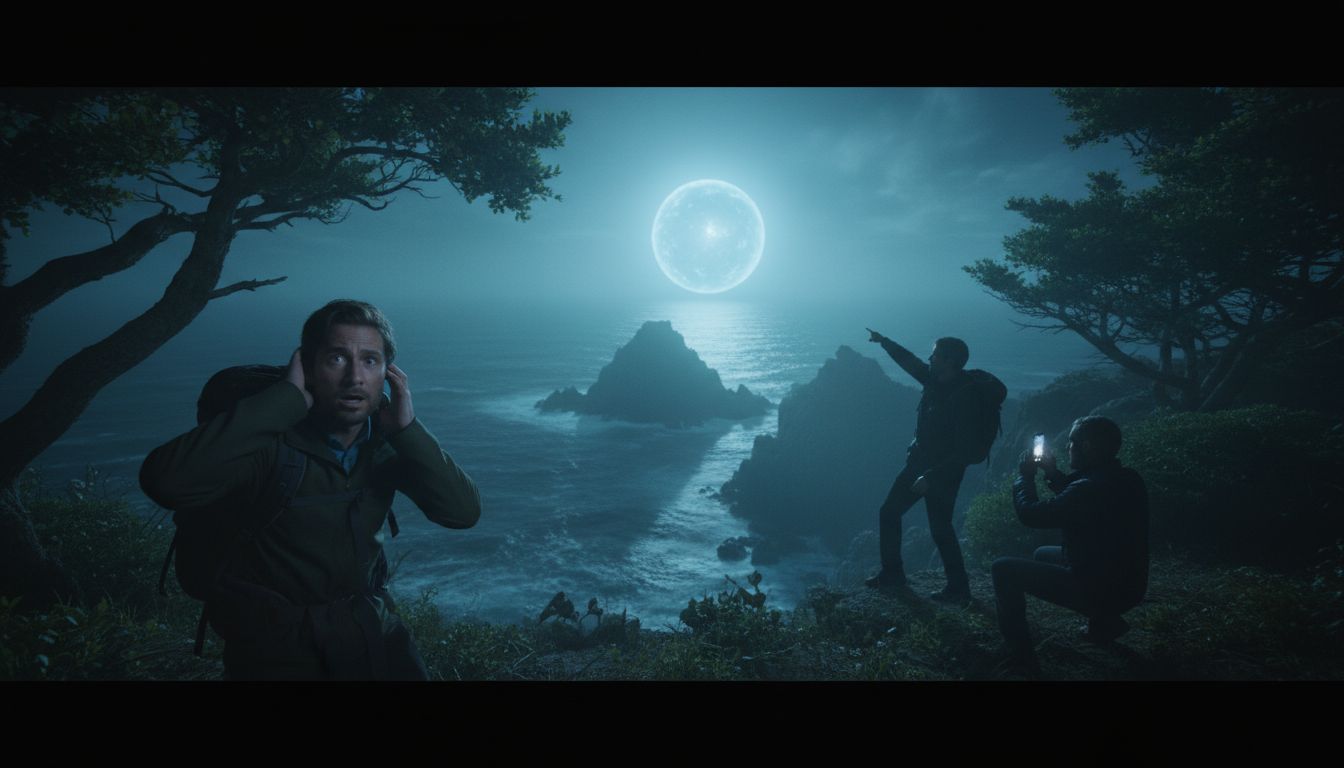
Late November, a small party of hikers set out on the Sierra de la Laguna trail near Puerto Vallarta. Around 9:15 p.m., they reported hearing a low, humming tone followed by a bright, hovering orb that moved erratically above the treeline before disappearing over the ocean. “It was like a lantern that floated on its own, changing colors from blue to white in seconds,” said María López, one of the hikers, to the Coast to Coast AM team. The group recorded a short audio clip of the hum, but no video footage survived the night’s cold conditions.
Local park rangers, contacted by the program, noted that the area is a known migration route for marine mammals and that bioluminescent algae can occasionally produce surface glows that reflect ambient light. “A combination of wind‑driven debris, fishing lanterns, and atmospheric refraction can create the illusion of a hovering light,” explained Carlos Mendoza, a senior ranger with the Puerto Vallarta National Park. He added that similar sightings have been logged during the holiday season when coastal towns increase decorative lighting.
Other Recent Latin American Reports
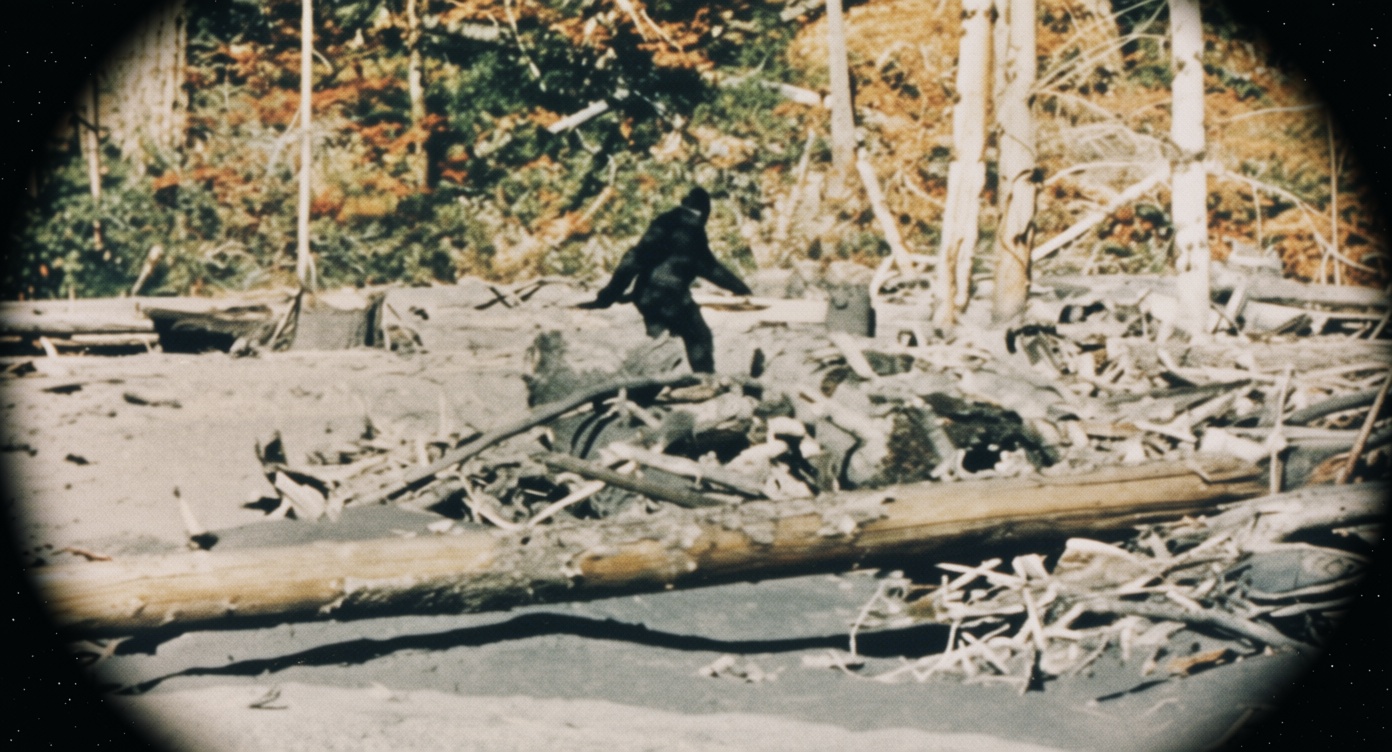
In Argentina, a citizen‑scientist uploaded a grainy photo of a seabird taken from a coastal cliff near Mar del Plata. The image shows a faint, circular blur near the bird’s wing, prompting speculation that a UFO was captured in flight. Ornithologist Dr. Elena Ramírez from the University of Buenos Aires examined the picture and concluded that the anomaly is most likely a motion‑blur artifact caused by the bird’s rapid wingbeat and low shutter speed. “Digital cameras can easily produce halo‑like effects when subjects move quickly against a bright sky,” she said.
Meanwhile, Brazil’s São Paulo state reported a sighting of a metallic, saucer‑shaped object gliding low over the BR‑116 highway. The driver, identified only as “J.S.,” claimed the object hovered for about 30 seconds before accelerating away. Police records show the incident coincided with a military exercise involving night‑time drone flights. A spokesperson for the Brazilian Air Force confirmed that unmanned aerial vehicles were deployed in the region on the night in question, though they declined to disclose operational details.
Expert Analysis
UFO researchers and atmospheric scientists who reviewed the three cases emphasized the importance of contextual data. “When you strip away the sensational layer, you often find mundane explanations—light pollution, aircraft, wildlife, or camera limitations,” noted Dr. Luis García, a physicist at the National Autonomous University of Mexico who consulted on the Coast to Coast AM piece. He added that human perception is especially vulnerable to misinterpretation under low‑light conditions, where the brain fills gaps with familiar patterns, a phenomenon known as pareidolia.
The segment also referenced a 2022 study from the International UFO Research Consortium, which found that UFO report frequency spikes during holiday periods in many countries, correlating with increased decorative lighting and higher outdoor activity levels. The authors argued that this pattern suggests a seasonal bias rather than a surge in extraterrestrial activity.
Seasonal Factors and Conclusions
The timing of these sightings—coinciding with the Christmas and New Year holidays—raises the question of whether festive illumination is influencing public perception. Coastal towns along Mexico’s Pacific shore are renowned for elaborate Christmas light displays that can reflect off water and fog, creating transient, moving glows. In Argentina, the summer solstice brings longer daylight hours, prompting more outdoor photography and, consequently, a higher chance of capturing optical anomalies.
While the mysterious Mexican light remains unverified, the weight of expert testimony points toward human‑made sources and natural optical effects. The Argentine bird photograph and Brazilian saucer claim similarly lack corroborating evidence beyond anecdotal testimony and visual artifacts. As Dr. García cautioned, “Extraordinary claims require extraordinary evidence—something that has yet to emerge from these reports.”
The Coast to Coast AM investigation underscores a broader trend: UFO sightings often reflect a blend of cultural, environmental, and psychological factors. Whether future investigations will uncover genuinely anomalous phenomena or continue to reveal conventional explanations remains an open question—one that will likely surface again each holiday season when lights blaze and the night sky invites wonder.