Overview
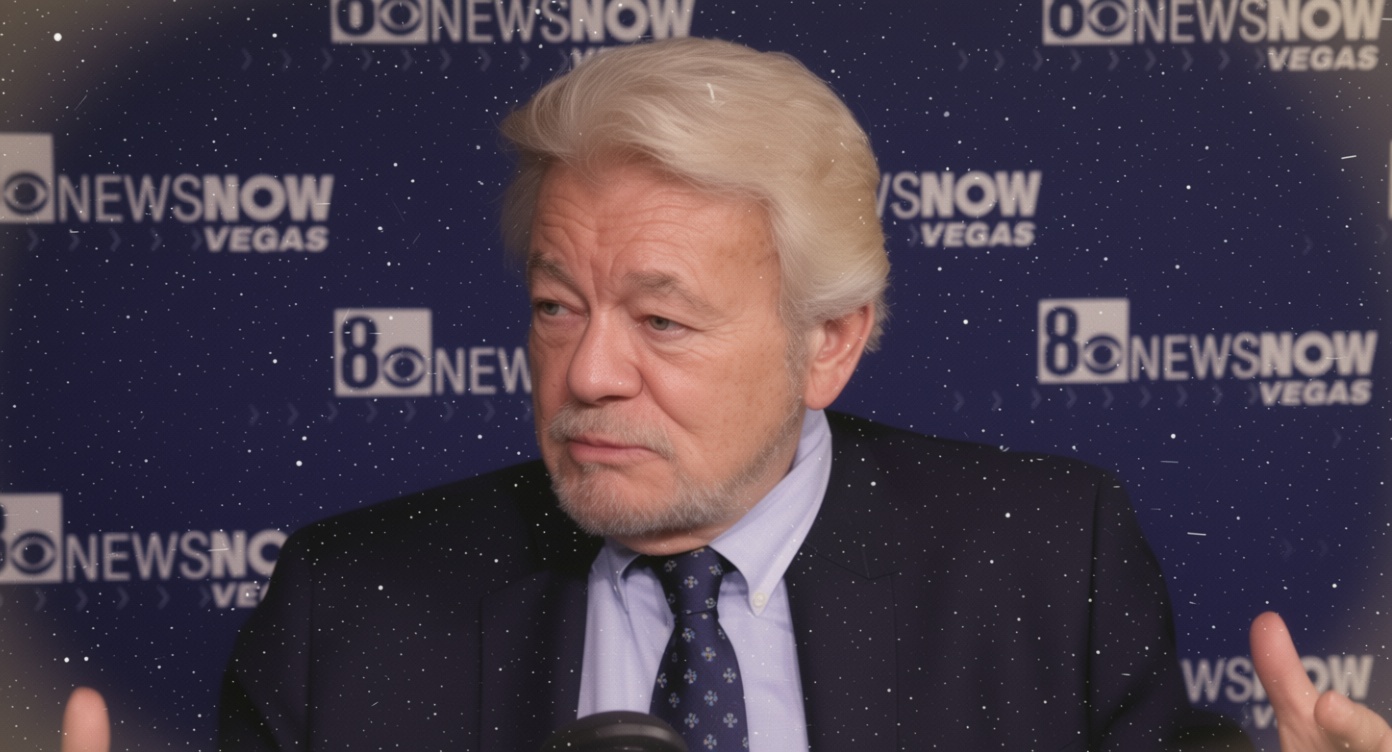
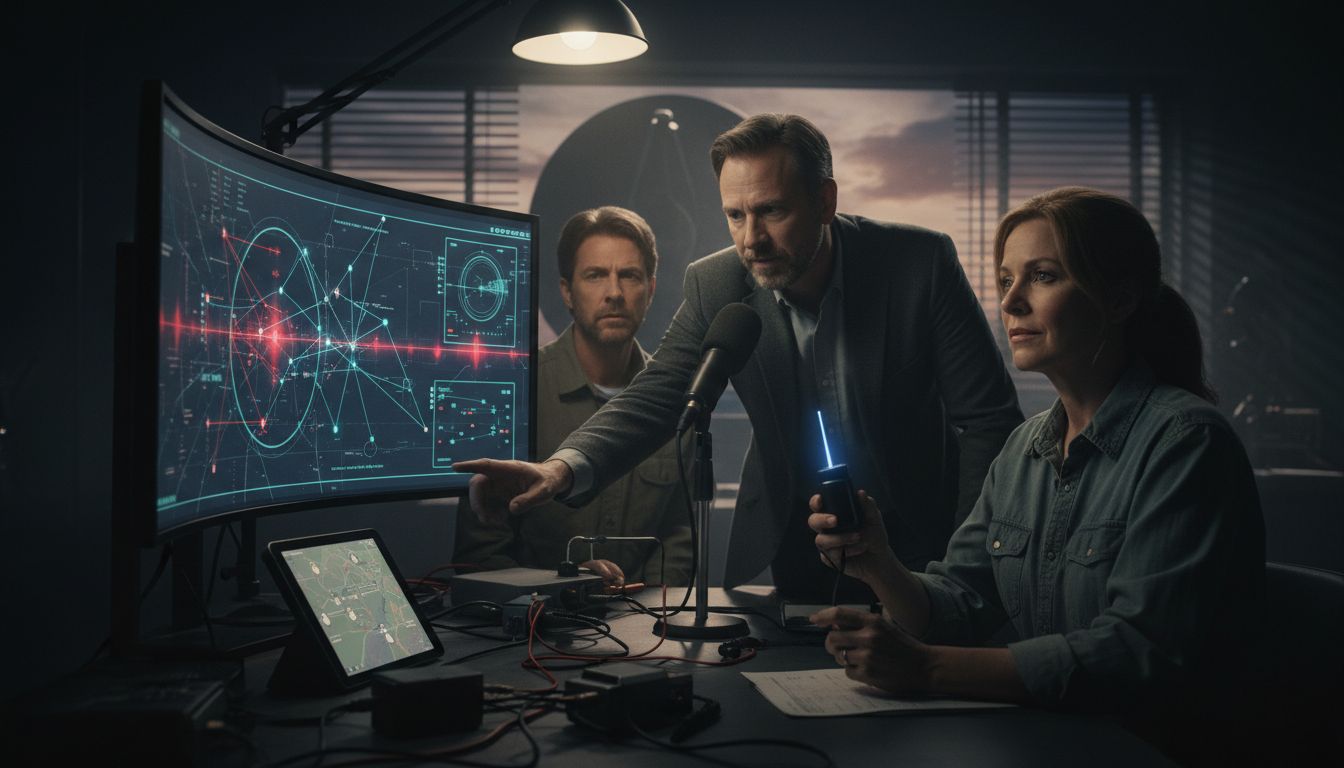
A new low-cost UFO alert system aimed at making it easier for the public to report and help investigate sightings is drawing attention in the latest Podcast UFO episode, where host Martin Willis speaks with E.J. and John Craig, a husband-and-wife team behind the effort. The discussion centers on their motivation for building a tool that could broaden grassroots participation in UAP reporting, while lowering the barrier for witnesses who may not have the resources or technical setup to document unusual events on their own.
According to the episode listing, the Craigs’ project is designed as a practical detection and alert mechanism rather than a high-end research platform. That distinction matters in a field where much of the data still comes from inconsistent public reports, shaky videos, and anecdotal accounts. A cheaper, more accessible system could help observers capture time, location, and visual evidence in a more structured way, potentially making sightings easier to verify or rule out. The concept reflects a broader push within the UFO/UAP community to improve the quality of reports through better tools and standardized documentation.
Why it matters
The appeal of such a system lies in its potential to expand citizen participation in UAP research. For years, ufology has relied heavily on independent investigators, hobbyists, and witnesses willing to share their experiences. A device or alert network that is inexpensive and simple to use could help turn casual observers into active contributors, especially in communities where reports are frequent but formal investigation is limited. In that sense, the Craigs’ initiative fits into a growing trend toward democratizing UAP data collection.
The episode also underscores a larger challenge for the field: separating credible observations from background noise. Even with better technology, not every strange light or object in the sky will prove anomalous. Still, more consistent reporting tools can improve the baseline for analysis, giving investigators a better chance to compare sightings, track patterns, and identify mundane explanations before conclusions are drawn. That practical angle appears to be central to Willis’s conversation with the couple.
Wider UAP context
The Podcast UFO post also points readers toward several other recent stories circulating in the UAP space, suggesting the issue remains highly active across local, historical, and investigative fronts. Among them is an investigation in Jim Thorpe, a report that has drawn interest for its regional significance, as well as criticism of a claim involving a Roswell crash site, reflecting how disputed narratives around the 1947 incident continue to surface decades later. Those debates remain important because Roswell remains one of the most closely scrutinized episodes in UFO history, and new claims are often met with immediate skepticism from researchers.
The roundup also references reports of thousands of mysterious objects spotted off U.S. shores, an account that, if substantiated, would add to the growing body of maritime and coastal UAP observations. Taken together, these stories show that UFO coverage is not confined to classic sighting accounts alone; it now spans technology, field reporting, historical claims, and large-scale observation data. For viewers and listeners following the subject, the Craigs’ new alert system is part of a broader attempt to move the conversation from speculation toward documentation.