Overview
You Can’t Make This Up is an English-language entertainment magazine built around the idea that reality often reads like fiction. The publication presents a mix of strange facts, bizarre headlines, unusual science, UFO reports, paranormal folklore and other oddities in a format designed for casual browsing rather than formal investigation. According to its own description, the site aims to collect “bizarre news, weird stories, unexplained mysteries and unusual events from around the world,” positioning itself as a destination for readers who enjoy curiosity-driven storytelling.
A Tabloid-Style Approach to the Unusual
Unlike traditional news outlets that separate hard reporting from speculative material, the magazine leans into a more playful, tabloid-inspired presentation. Its stories are framed as entertaining reads that sit “somewhere between astonishing, absurd, funny, mysterious and almost impossible to believe.” That approach is central to the publication’s identity: it is not trying to resolve every mystery, but to make the strange accessible and engaging for modern audiences.
The site says its articles are written for people who want odd news without having to dig through a conventional newspaper. Some pieces are based on documented events, while others draw from folklore, urban legends, unusual claims or even comic imagination. The common thread, the publication says, is curiosity. In practice, that means a UFO sighting, a local legend or an unusual crime may be treated with the same narrative energy as a quirky science breakthrough or a bizarre community tradition.
UFO Reports, Ghost Stories and Unexplained Claims
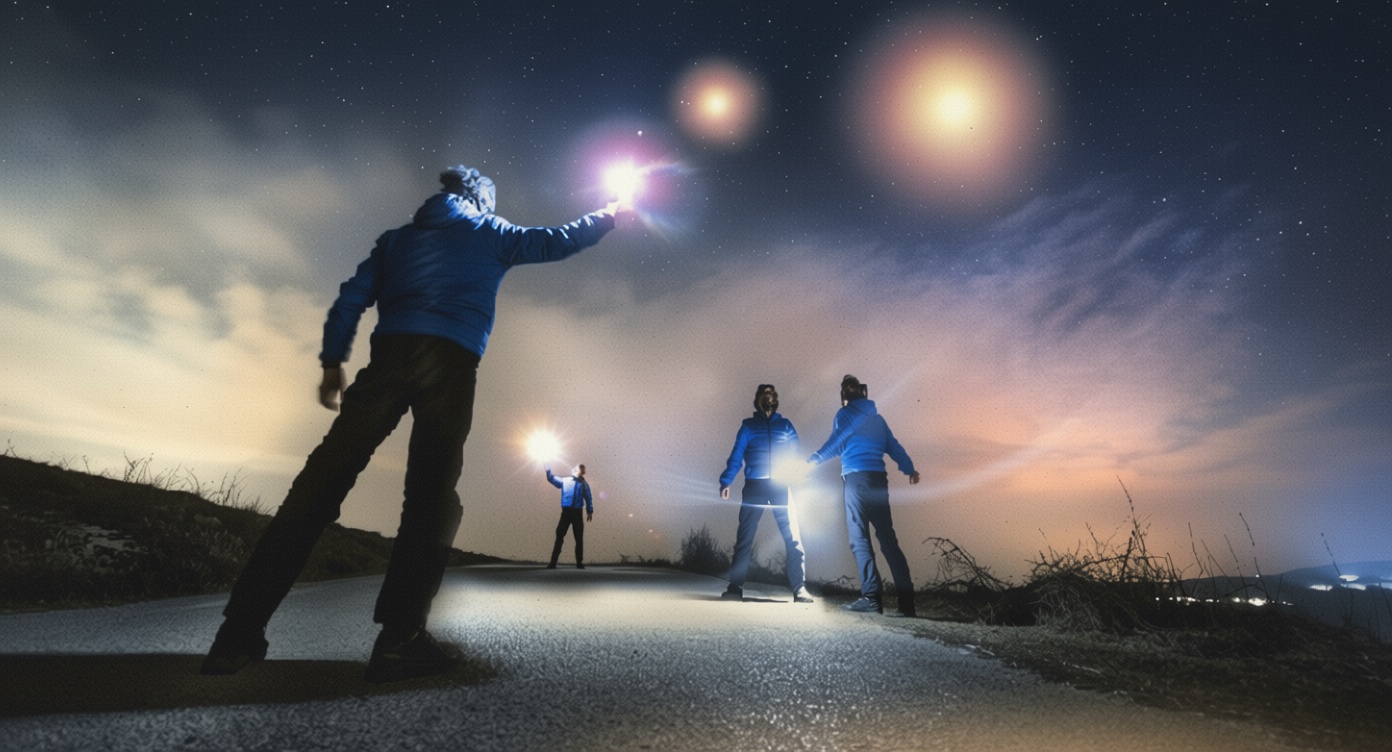
One of the magazine’s core categories is unexplained phenomena, including UFO reports, ghost stories and paranormal folklore. Rather than presenting these subjects as dry case files, the publication emphasizes the atmosphere surrounding them: the lights in the sky, the abandoned buildings, the repeated noises and the local stories that keep these mysteries alive. That editorial choice reflects a broader trend in popular culture, where unexplained events are often consumed as much for their storytelling value as for any evidentiary claim.
The site also acknowledges that many mysteries may have ordinary explanations. Low-frequency sounds can travel oddly, old structures can produce unfamiliar noises, and memory can shift as stories are repeated. Still, the publication argues that explanation does not necessarily erase intrigue. In its framing, the most memorable mysteries are those that remain suspended between personal experience and conclusive proof.
Strange Science, Weird Animals and Historical Oddities
Beyond the paranormal, You Can’t Make This Up also highlights strange science, unusual animal behavior and historical oddities. The magazine points to research and natural phenomena that sound invented at first glance — from animals with surprising abilities to extreme organisms surviving in unlikely environments. Weird animal stories, meanwhile, range from comic to genuinely remarkable, often showcasing the unpredictability of nature.
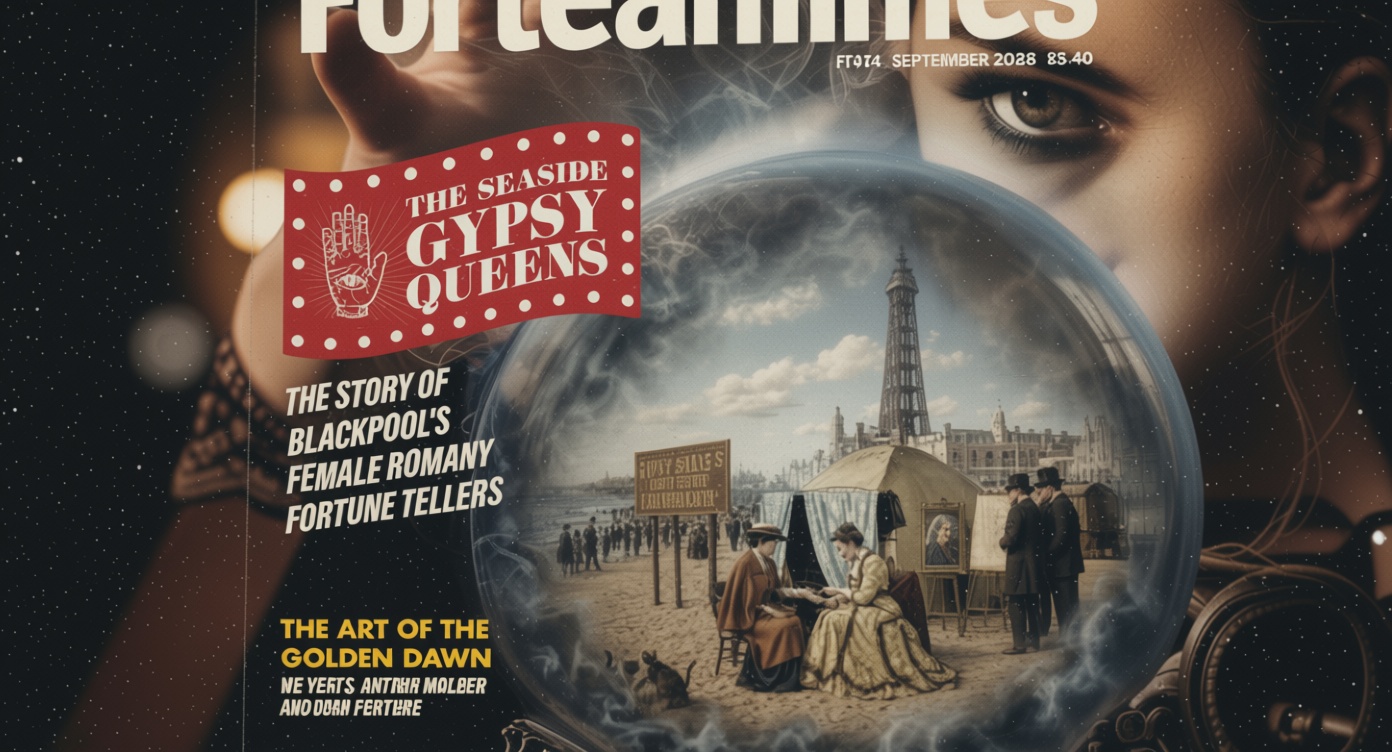
Historical material also plays a major role. The site says it features forgotten inventions, unusual laws, sideshow culture and other oddities that reveal how inventive, desperate and occasionally absurd the past could be. By combining science, folklore and history under one umbrella, the publication creates a broad catalog of curiosities aimed at readers who want their news with a sense of wonder.
A Curiosity-Driven Publication
Overall, You Can’t Make This Up positions itself as an entertainment magazine for readers drawn to strange facts, unusual science, mysterious stories and the funniest corners of everyday life. Its visual style is described as inspired by classic tabloids and pulp magazines, while its articles are intended to be easy to read on phones, tablets and computers. In an online media environment crowded with hard news and algorithm-driven content, the publication is carving out a niche by treating the bizarre not as a distraction, but as a legitimate form of popular storytelling.