Overview
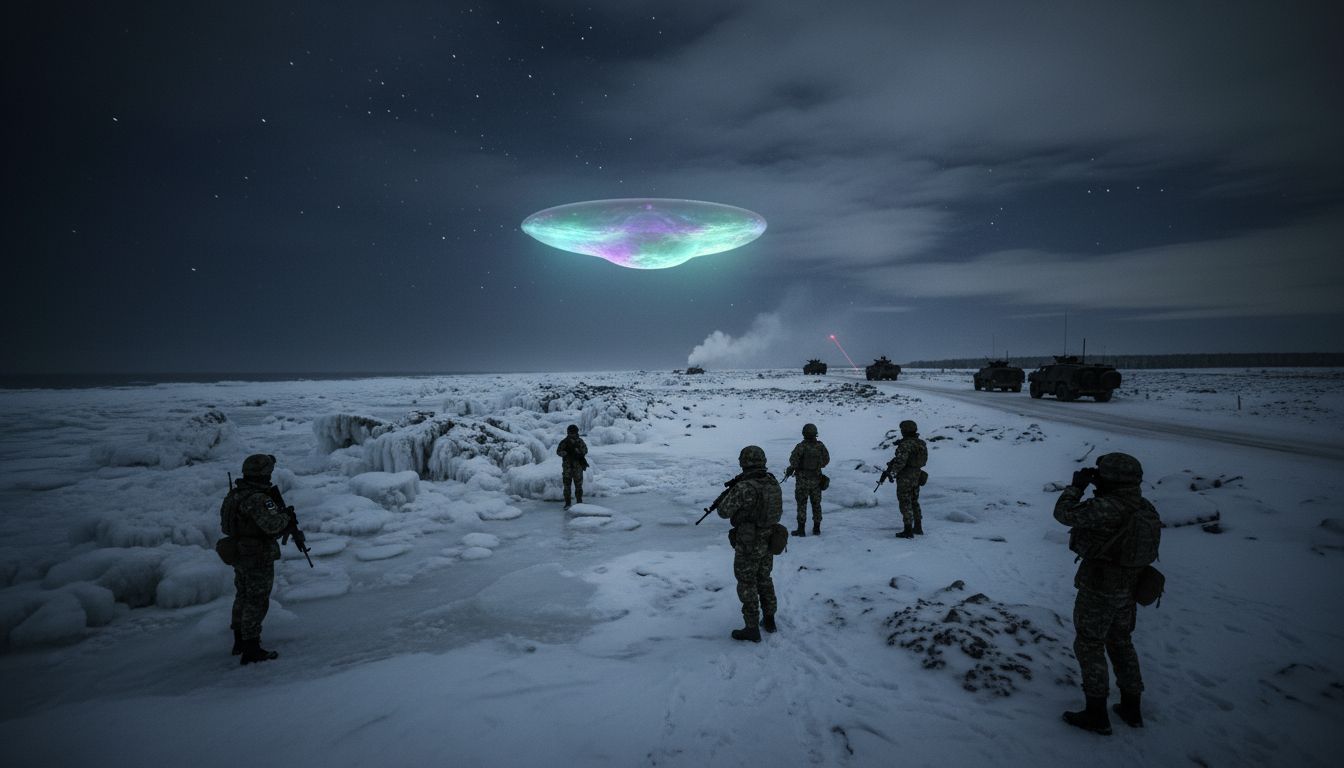
Estonia’s defence forces confirmed that an unidentified aerial object was detected overnight, classifying it as an air‑space threat that required immediate investigation. The incident, reported early Friday morning, adds to a string of recent aerial alerts in the Baltic region, including a suspected foreign UAV spotted near Latvia’s border and a Finnish military aircraft crash that involved an unexploded warhead. Officials emphasized that the object did not violate Estonian sovereign airspace, but the detection triggered standard NATO‑aligned response protocols.
Details of the Estonian Detection
According to a statement released by the Estonian Defence Forces, radar operators identified an anomalous contact at approximately 02:30 GMT over the country’s eastern air corridor, close to the Russian frontier. The object exhibited flight characteristics that did not match any known civilian or military aircraft in the region, prompting the classification as a potential air threat.
“The radar signature was inconsistent with any of our registered assets, and the object’s maneuverability raised safety concerns,” the forces’ spokesperson said. “We immediately activated our air‑defence monitoring system and coordinated with NATO’s Baltic Air Policing unit to assess the situation.”
No visual confirmation was reported, and the object disappeared from radar coverage within 15 minutes. Estonian authorities have not disclosed whether any interceptor aircraft were scrambled, but they confirmed that the incident is under full investigation by the national intelligence service and NATO partners.
Regional Context
The Baltic states have heightened their vigilance following a series of aerial incursions attributed to Russian surveillance drones and other unmanned platforms. In the past six months, Estonia, Latvia, and Lithuania have each logged multiple “unidentified flying object” (UFO) sightings that were later linked to either commercial drones operating beyond permitted zones or foreign reconnaissance equipment.
Latvia’s security service reported a foreign UAV operating near its border with Russia on Thursday afternoon, prompting a temporary air‑space closure for civilian traffic. While Latvian officials have not identified the operator, they warned that such incursions could complicate NATO’s collective defence posture in the region.
Meanwhile, Finland’s defence ministry confirmed that a military transport aircraft crashed in the north‑eastern part of the country on Wednesday. The wreckage contained an unexploded warhead, raising concerns about the safety of civilian populations and the potential for a broader escalation. Finnish officials are conducting a joint investigation with NATO allies to determine whether the crash was caused by mechanical failure, hostile action, or a stray missile.
Related Incidents and Implications
The clustering of these events underscores the fragile security environment along the EU’s eastern flank. NATO’s Baltic Air Policing mission, which rotates fighter squadrons from member nations to patrol the airspace of Estonia, Latvia, and Lithuania, has been on high alert since the start of the year.
“Each unexplained aerial contact is a reminder that we must maintain robust surveillance and rapid response capabilities,” said NATO’s Baltic representative, Lieutenant Colonel Markus Raitinen. “Our allies are sharing data in real time to ensure that any potential threat is identified and neutralised before it endangers civilians or compromises air‑space integrity.”
Experts caution that while the Estonian object may ultimately be benign—a wayward commercial drone or a weather balloon—the pattern of detections could be indicative of increased reconnaissance activity by state actors seeking to map NATO defence installations. The presence of an unexploded warhead in the Finnish crash further fuels speculation about the possible use of advanced munitions in the region.
Next Steps
Estonia’s Ministry of Defence announced that a joint task force comprising national intelligence, the Estonian Air Force, and NATO liaison officers will conduct a thorough forensic analysis of the radar data and any available electronic emissions. Findings are expected to be released within the next two weeks.
Latvia has initiated a cross‑border investigation with its security agencies to trace the origin of the UAV detected near its frontier, while Finland’s accident inquiry will involve the European Union Aviation Safety Agency (EASA) and the NATO Air Command.
Collectively, the three nations reaffirmed their commitment to regional security cooperation, urging all parties to respect international air‑space norms and to avoid actions that could inadvertently trigger a broader confrontation. The incidents serve as a stark reminder that vigilance remains essential in a geopolitically sensitive corridor where air‑space sovereignty and safety are closely intertwined.


