Overview
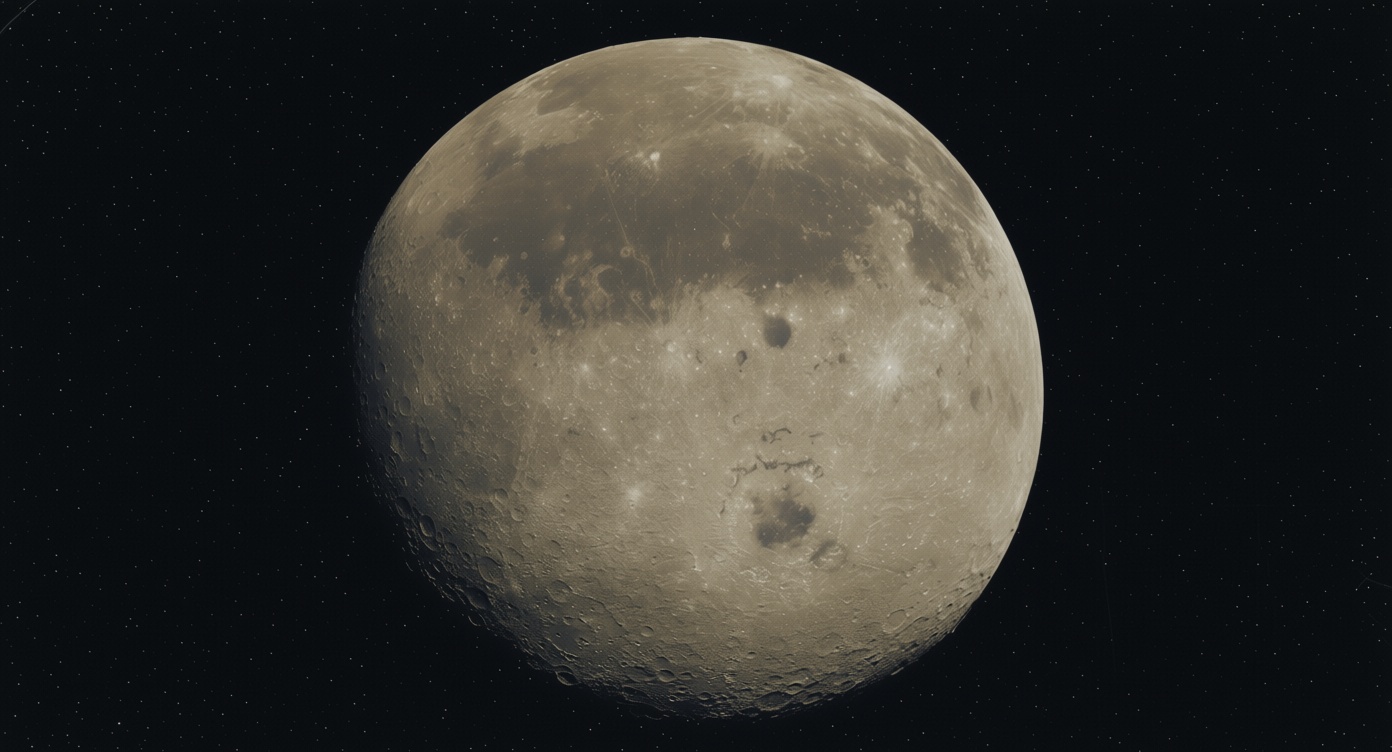
Former Pentagon UFO investigator Luis Elizondo has reignited debate over unexplained aerial and extraterrestrial phenomena, saying that unreleased photographs may show large, monolith-like structures on the Moon with what he described as right-angle cuts. The claim, which surfaced as the U.S. government continues to disclose additional classified UFO files, has drawn attention because it gestures toward a longstanding question in the field: whether some unusual imagery can be explained by geology and imaging artifacts, or whether it points to something more extraordinary.
Elizondo, who previously led work tied to Pentagon interest in unidentified anomalous phenomena, suggested the lunar images could soon be made public, though no official release has yet confirmed the existence of artificial structures on the Moon. As with many high-profile UAP claims, the allegation currently rests on interpretation rather than independently verified evidence. The photos themselves have not been released, and no public agency has said they show evidence of alien activity.
What the claim involves
According to the report, Elizondo described the imagery as showing large formations with sharp, angular features, language that has prompted comparisons to the famous “monolith” imagery that has often circulated in UFO and space speculation. The phrase “right-angle cuts” is particularly striking because such geometry is often associated with human-made construction. Still, in lunar science, apparent straight edges and unnatural shapes can also result from lighting conditions, shadows, crater walls, or the way images are compressed and viewed at low resolution.
That distinction matters. The Moon has been photographed extensively by orbiters, landers and telescopes over decades, and no publicly authenticated image has ever established artificial structures on the lunar surface. In the absence of the actual photographs and technical metadata, Elizondo’s assertion cannot be evaluated independently. For now, it remains a claim about what the images may show, not proof of what they do show.
Broader context in the UFO debate
The timing of the remarks is notable because they come amid renewed government transparency around UAPs. Recent releases of classified or previously withheld files have fueled public interest, but none has provided evidence of extraterrestrial life. That has not stopped speculation from building around the issue, especially when figures with national-security backgrounds weigh in. Elizondo’s name carries outsized influence in UFO circles because of his past Pentagon affiliation and his role in helping bring the modern UAP discussion into the mainstream.
At the same time, officials and researchers have repeatedly warned against treating unexplained or classified imagery as confirmation of alien technology. Much of the UAP debate hinges on incomplete data, limited context and the difficulty of distinguishing sensor anomalies from genuinely unusual events. In that environment, even a single unreleased lunar photo can become the subject of intense scrutiny long before any expert review is possible.
What comes next
If the images Elizondo referenced are eventually made public, they are likely to face immediate analysis from astronomers, image specialists and skeptics alike. The key questions will be whether the photographs can be authenticated, whether their scale and orientation are clear, and whether there is a conventional explanation for the apparent structure. Until then, the claim adds another layer of intrigue to a field where surprise announcements often outpace hard evidence. For now, the Moon has once again become a focal point in the broader conversation about what, exactly, remains hidden in the skies above — and whether any of it is truly unexplainable.