Overview
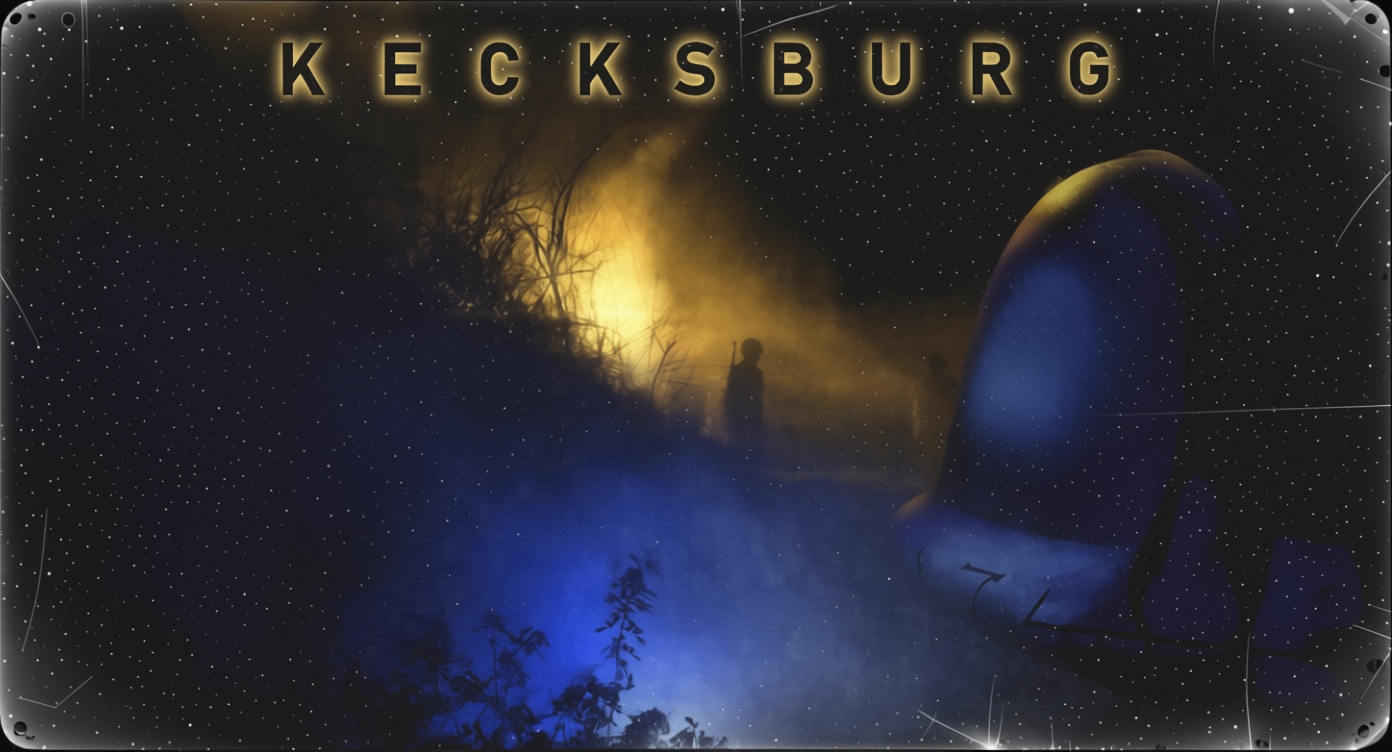
A new documentary from Eyes On Cinema revisits one of the most enduring cases in UAP history: the Kecksburg UFO incident, a 1965 event that has long fueled debate among researchers, skeptics, and residents of western Pennsylvania. Often called “Pennsylvania’s Roswell,” the case centers on reports that a mysterious object crashed into a wooded ravine near Kecksburg on December 9, 1965, followed by what witnesses describe as a swift and unusually heavy military recovery operation. More than five decades later, the incident remains unresolved, with competing explanations ranging from a misidentified meteor to a recovered craft of unknown origin.
Witness Descriptions of the Object
The documentary highlights testimony from several local residents who said they saw the object in flight and after impact. James R. Romansky, Sr., Randy Overly, and Jerry Betters described an acorn-shaped craft with a copper or bronze appearance, roughly the size of a Volkswagen Beetle. Witnesses also recalled a raised band or “bumper” around the base, marked with symbols they said resembled Egyptian hieroglyphics. According to their accounts, the object had no visible wings, windows, doors, or engines, details that continue to distinguish the story from a conventional aircraft accident. Bill Bulebush and Overly said the object appeared to descend under control rather than fall randomly, with Overly describing reddish-yellow and greenish flames emerging from its rear as it moved slowly at low altitude.
Alleged Military Response
The most controversial part of the Kecksburg story involves the reported response by military personnel. Witnesses including John and Lillian Hays said troops arrived within an hour and allegedly used their home as a temporary command post, placing calls to NASA and the Pentagon. Others, such as Bill Weaver and Robert Bitner, recalled armed guards blocking access to the wooded crash site and threatening civilians who tried to get closer. Jerry Betters and Robert Blystone Jr. said they later observed a flatbed truck departing the area at high speed under heavy escort, carrying a large object covered by a tarp that matched the shape they had seen in the ravine. For many residents, those accounts form the core of the argument that something substantial was recovered that night.
Skeptical Explanations and Official Accounts
Not everyone accepts the crash-retrieval interpretation. Robert R. Young, described in the documentary as a planetary educator, argues that the event was likely tied to a meteor observed over Ontario and parts of the northern United States on the same evening. In that view, local reports may reflect misidentification, rumor, or embellishment that grew over time. Official reports from the period claimed that a search of the woods produced nothing, a position that has only deepened suspicion among believers. Yet Mable Mazza, who worked at WHJB Radio, said she received calls from military officials and even the Pentagon seeking directions to the site, a detail often cited by those who believe the government response was more extensive than publicly acknowledged.
Lasting Impact on the Community
Beyond the question of what fell from the sky, the Kecksburg case also left a social mark on the town itself. Residents quoted in the documentary, including James E. Mayes and Bob P. Bitner, said the incident split the community for years, damaging friendships and creating a sharp divide between those convinced a cover-up occurred and those who view the story as a misunderstanding built around a meteor sighting. That enduring local tension is part of what keeps the case alive in UFO research circles. For Eyes On Cinema, the documentary does not resolve the mystery, but it does underscore why Kecksburg remains one of the most discussed and contested UAP cases in the United States.