Overview
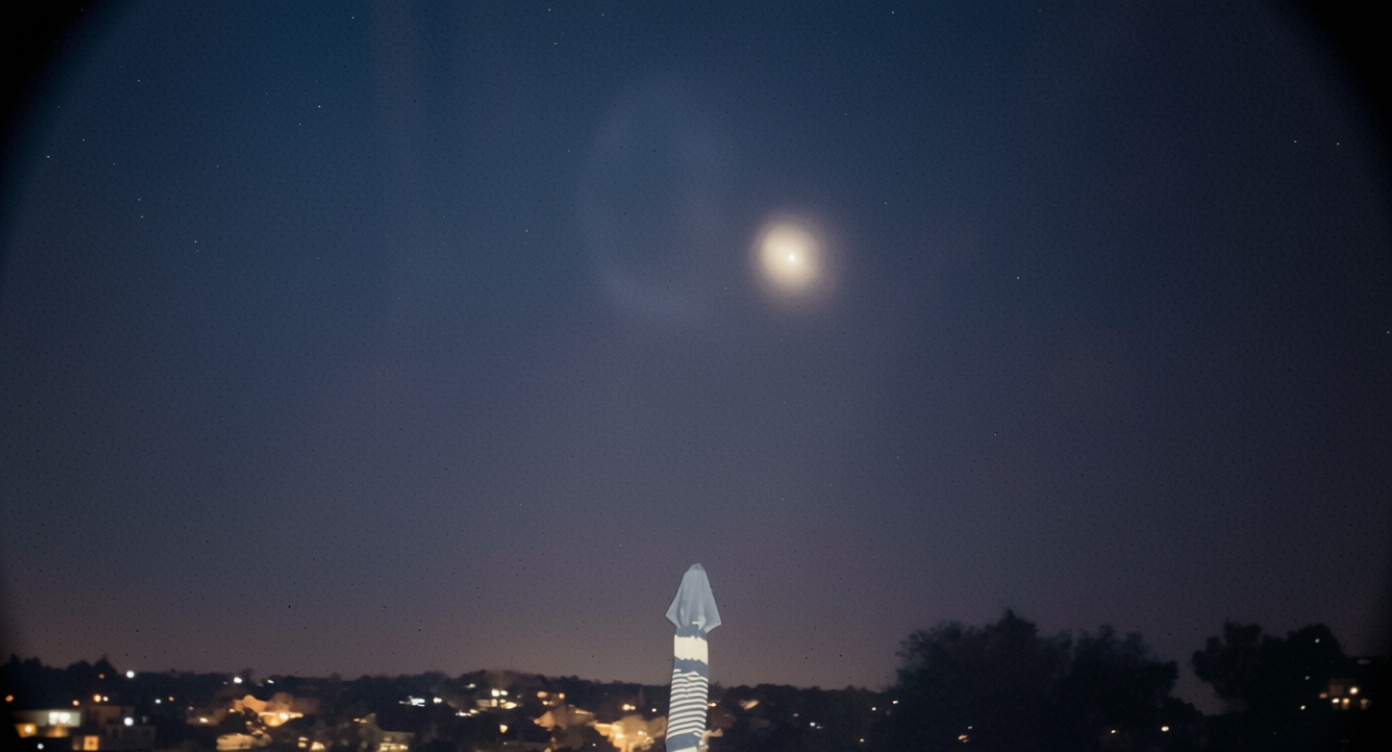
A bright, unusual light seen over Central Texas on Sunday evening was identified by the Federal Aviation Administration (FAA) as the result of a SpaceX rocket launch, according to reporting by KXAN. The display prompted questions from residents across the region, with witnesses describing an object or glow moving through the night sky and local news outlets receiving reports about the sighting.
The FAA said the launch occurred at approximately 7:50 p.m. Central Time. As the rocket traveled away from its launch site, its exhaust plume was illuminated by sunlight at high altitude, creating a striking appearance that could be visible over a wide area. Such launches can appear especially unusual to observers who are not aware of a scheduled mission.
What Witnesses Saw
Reports from Central Texas described a bright aerial phenomenon that appeared to move across the sky rather than remain stationary. The sighting’s broad visibility and unusual appearance led some residents to question whether they had witnessed an aircraft, an atmospheric event or an unidentified flying object.
KXAN’s report framed the incident around the question of “what was that mysterious light,” reflecting the uncertainty among witnesses at the time. However, the FAA’s explanation provided a conventional and independently relevant aviation-related account: the light coincided with a SpaceX launch and was not identified as an unknown aircraft or unexplained object.
How Rocket Launches Create Unusual Displays
Rocket launches can produce visible effects far from the launch site. During ascent, rocket engines release exhaust containing gases and particles that may spread into a large plume. When the plume reaches high altitudes, sunlight can continue to illuminate it even after darkness has settled over observers on the ground.
The resulting shape may expand, trail behind the vehicle or appear to change rapidly as the rocket climbs. Perspective can also make the object’s movement difficult to judge, particularly when it is seen from a distance without familiar reference points. These factors often lead witnesses to describe rocket launches as glowing or hovering objects.
Context for the Sighting
The timing cited by the FAA was a key factor in connecting the Central Texas reports with SpaceX’s launch activity. Although the source report did not identify the specific SpaceX mission or provide additional technical details about the vehicle, the agency’s attribution offered a clear explanation for the light observed that evening.
The incident also illustrates how ordinary aerospace activity can be mistaken for an unexplained aerial event. With commercial launches becoming more frequent, bright plumes and unusual nighttime trajectories are increasingly visible to people well beyond the immediate launch area. Social media and local reporting can amplify these sightings before official information becomes available.
Bottom Line
Based on the FAA’s statement, the bright light over Central Texas was associated with a SpaceX rocket launch at about 7:50 p.m. CT. While the event initially appeared mysterious to witnesses and generated local news coverage, available information points to a known spaceflight rather than evidence of an unidentified craft. The episode underscores the importance of checking launch schedules and official aviation information when unusual lights are reported in the sky.