Overview
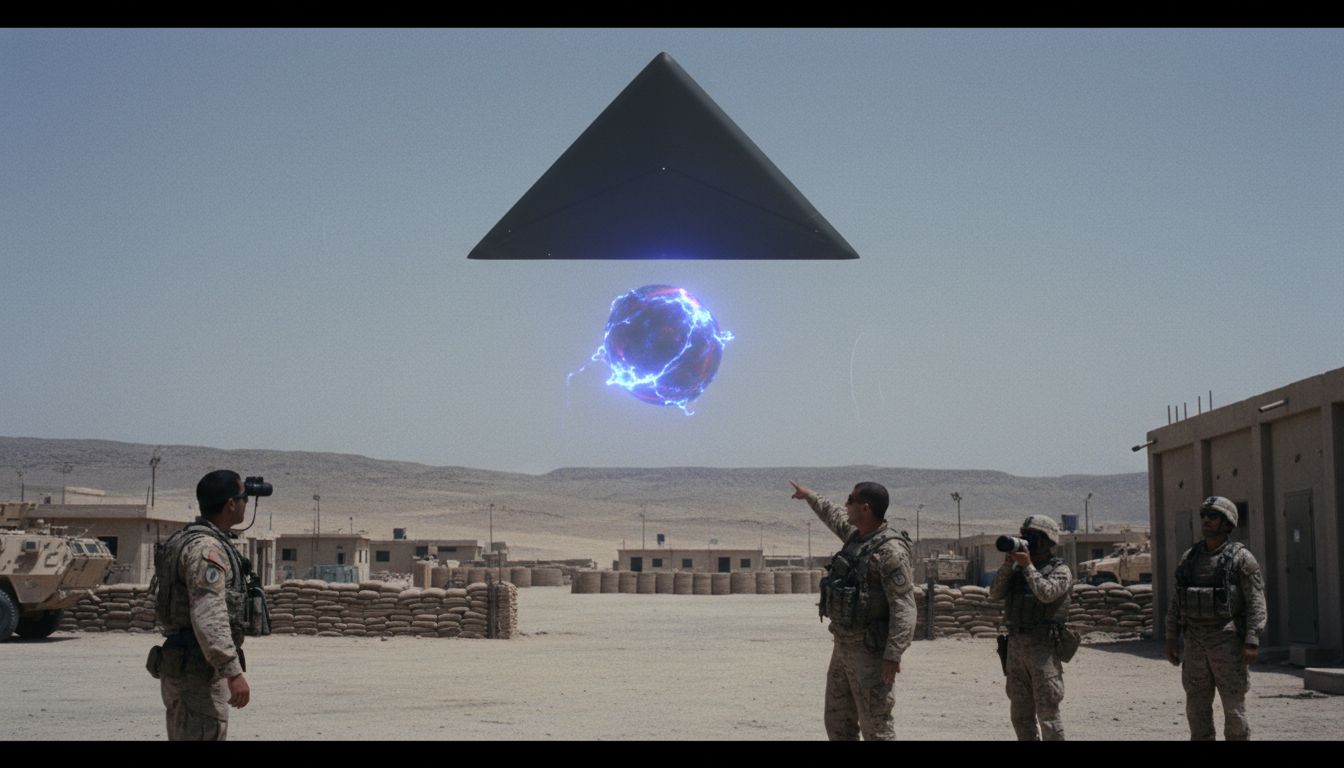
The Pentagon has released its sixth batch of Unidentified Anomalous Phenomena (UAP) files, continuing a broader push toward public transparency on military sightings and sensor data, according to The Hill. The latest package appears to blend historical testimony, declassified audio, and modern infrared footage, offering a mixed record of cases that range from readily explained incidents to objects that remain under investigation. Among the materials referenced in the release are reports of triangular craft over a U.S. base in Afghanistan and anomalous plasma orb sightings, underscoring the wide variety of events now being collected in federal archives.
Fort Monmouth Case Draws Attention
One of the most detailed historical entries centers on the Fort Monmouth incident in New Jersey, near Sandy Hook. In archival audio included in the release, pilots flying a T-33 trainer jet described chasing what they called a “great big dish-shaped thing.” The account quickly escalated when regional radar stations reported erratic movement in the area, with operators allegedly estimating speeds as high as 3,500 mph. But the testimony also makes clear that this incident was later traced to a large weather balloon launched from Fort Monmouth, offering a reminder that early UAP reports often mixed credible observation with misidentification.
Radar Misreadings and Human Error
The Fort Monmouth episode stands out not because it is unresolved, but because it illustrates how quickly a routine object can be transformed into something extraordinary under pressure. According to the narration, the radar crew had been performing a demonstration for a group of military colonels and became flustered when they could not lock the automatic tracking system. That procedural failure appears to have contributed to the balloon’s apparent high-speed readings. In that sense, the case serves as a cautionary example: sensor data can be persuasive, but it is not infallible without proper context and calibration.
Modern Sensor Footage Adds New Questions
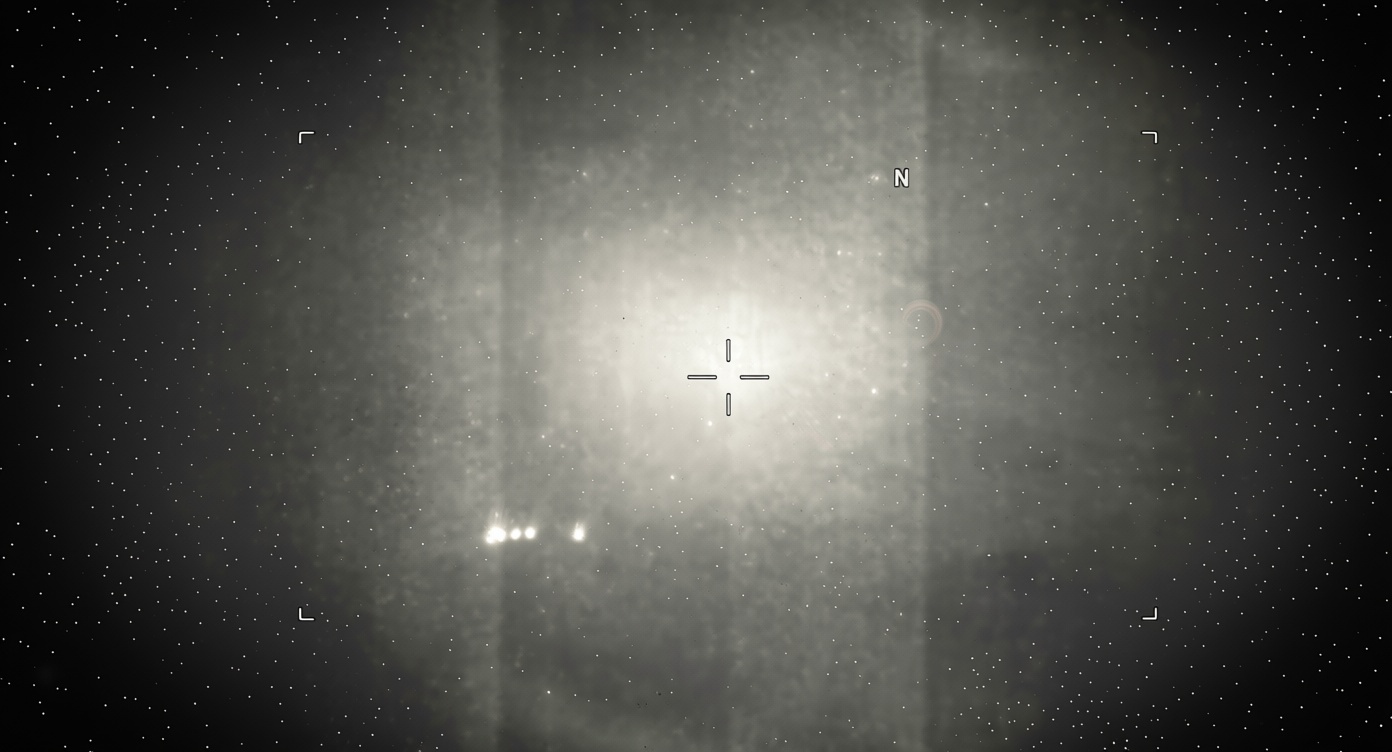
Beyond the historical audio, the release includes extensive Forward-Looking Infrared (FLIR) and thermal footage collected by military aircraft. The clips show unidentified objects moving over open ocean, cloud layers, and land, sometimes in synchronized patterns and sometimes crossing the frame at high speed. In several examples, the objects appear as bright white or dark thermal signatures, indicating a temperature difference from the surrounding environment. While the footage does not by itself prove extraordinary origin, it continues to fuel interest because the objects often remain unidentified even after being tracked by onboard systems.
Transparency, Classification, and the Ongoing Debate
The release is also framed by legal language tied to public disclosure and delayed declassification, including 44 U.S.C. § 2107 Section 1843 and E.O. 13526, which governs the postponement of sensitive records. That context reflects the federal government’s balancing act: releasing more information while protecting sources, methods, and national security concerns. Taken together, the sixth batch of files reinforces a central theme in UAP reporting — that some cases can be explained by misidentified human-made objects, while others continue to defy immediate explanation. For investigators and the public alike, the challenge remains separating genuine anomalies from the limits of human perception and military sensing technology.