Overview
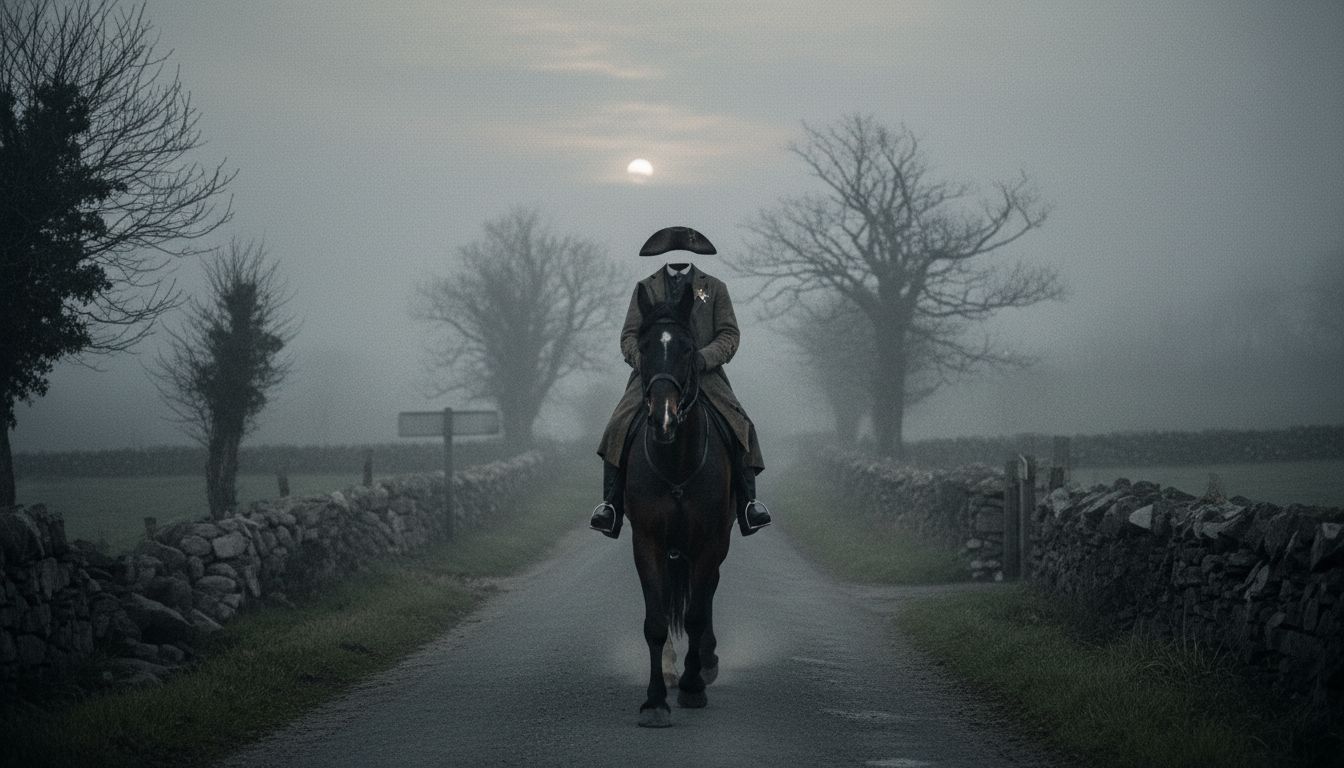
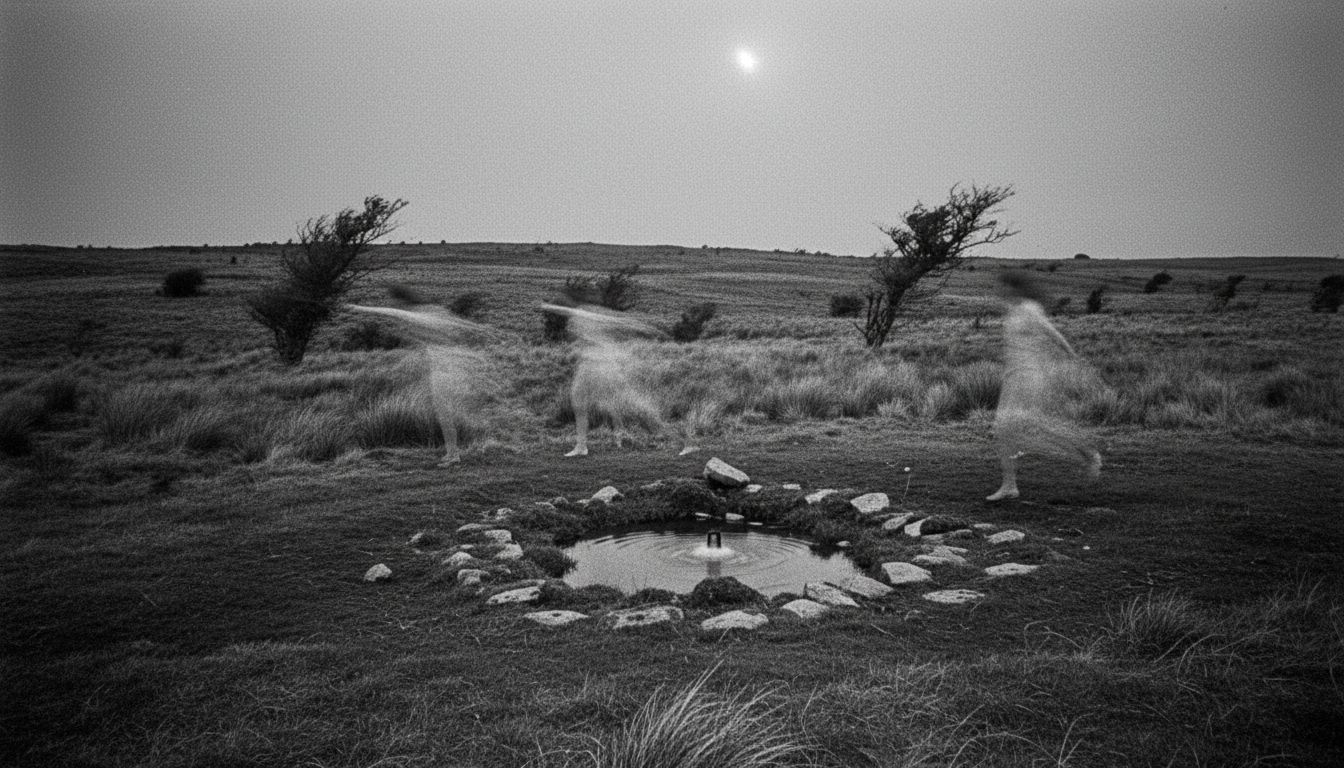
On the outskirts of Malahide, Feltrim Hill carries a reputation that is equal parts natural history and folklore. According to local legend and paranormal accounts, ghostly figures have been seen drifting across the hill, always moving toward a sacred spring that was once believed to have healing powers. The site, sometimes remembered as the “Hill of the Wolves,” is said to preserve the memory of a wilder Ireland, when wolves ranged across the landscape and the boundary between the physical world and the Otherworld was thought to be especially thin.
Wolves, Wells and Old Beliefs
The story of Feltrim Hill is closely tied to the last wolves in Ireland, which the source says were killed there in the 18th century. That association has helped the hill take on an eerie identity in local lore. Hidden among the rolling fields, the site was also home to a holy well, reportedly dedicated to a Saxon princess and long associated with healing. In ancient times, pilgrims were said to have approached the well along a line of 14 beech trees, gathering there for mass and ritual. Even as the physical well has largely vanished, the legend of the place has endured, bolstered by stories that the ghosts seen on the hill are drawn toward the spring.
A Landscape Altered by Quarrying
Much of Feltrim’s original terrain has been lost to history and industry. Limestone quarrying began in the 1880s, and the source says that the spring and half the hill were removed over time. Yet the disappearance of the well did not erase its place in memory. The site remained important enough to attract archaeological attention, and in 1947 an excavation uncovered more than 500 artifacts, including Roman coins and tinned bronze dating to the 4th century C.E. Those finds suggest that Feltrim Hill was not only a place of legend, but also one with long-standing human activity stretching back many centuries.
Saints, Ruins and Local Memory
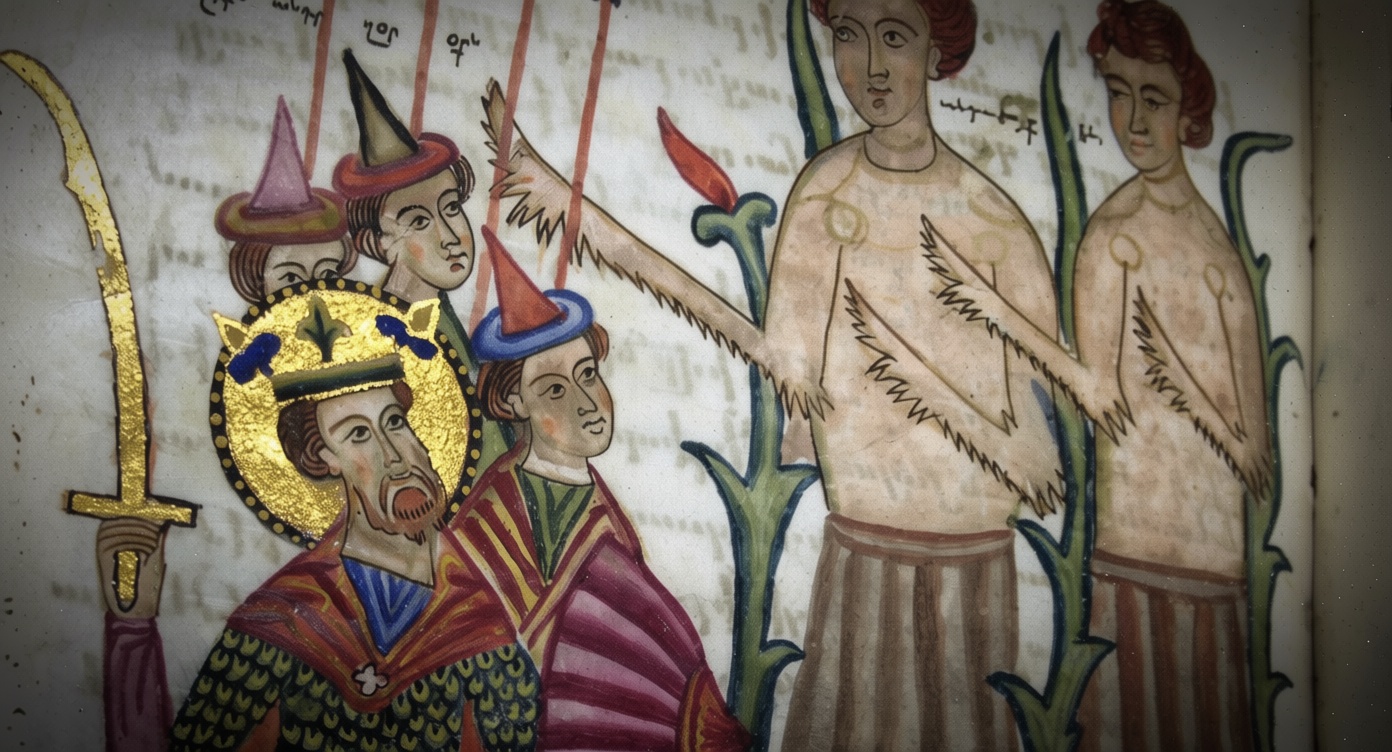
The hill’s spiritual associations are reinforced by broader medieval and early Christian traditions. The source connects the well to St. Werburgh, an Anglo-Saxon princess and later saint whose incorrupt remains were, in church tradition, taken as a sign of divine favor. Feltrim Hill is also said to contain the remains of Fagan’s Castle, built in 1427 by the Fagan family, once a powerful Catholic household whose influence later declined. These layers of saints’ cults, noble families and vanished landmarks help explain why the area continues to inspire both historical interest and supernatural speculation.
Why the Story Endures
Feltrim Hill remains compelling because it sits at the intersection of history, landscape and belief. The quarry has reshaped the land, the holy well has been lost, and the wolves are long gone, yet the stories persist. Whether the “ghosts” are understood as folklore, cultural memory or something more mysterious, they reflect a familiar pattern in Irish local tradition: places marked by old wells, saints, animals and ruins often become vessels for enduring tales. On Feltrim Hill, the legend is that these spirits keep returning to the spring, as if the hill itself still remembers what was once sacred there.