Overview
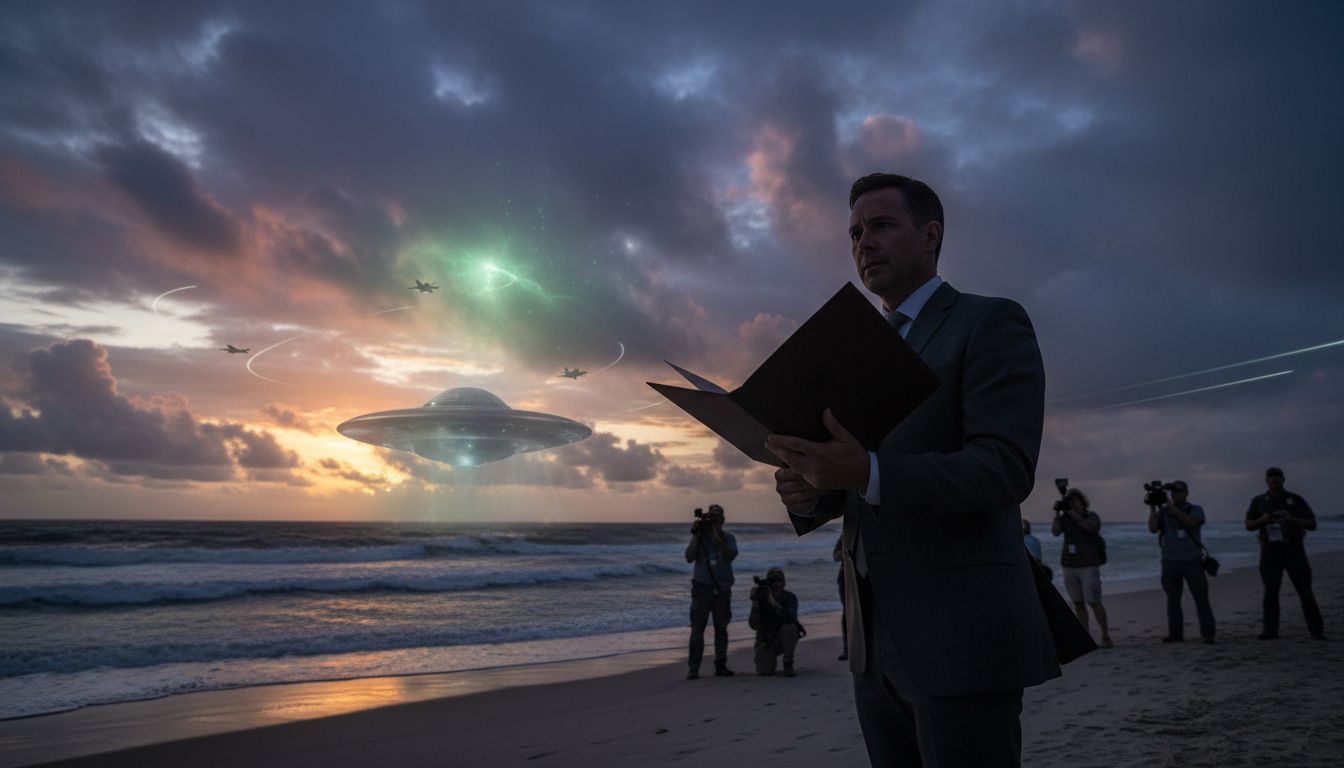
Florida Rep. Anna Paulina Luna (R‑FL) has formally demanded that the Department of Defense release more than 40 classified videos of unidentified aerial phenomena (UAP) that are currently held in secure government archives. In a letter submitted to the Pentagon on April 14, 2026, Luna set a deadline of the end of the day for the agency to provide the footage, citing the public’s right to know and the potential national‑security implications of undisclosed aerial activity near U.S. military installations. The request, reported by WIOD, adds to a growing wave of congressional scrutiny that began with the 2023 bipartisan UAP report and intensified after former President Donald Trump’s recent executive order urging agencies to declassify any data related to extraterrestrial threats.
Legislative Push
As chair of the House Federal Secrets Task Force, Luna argues that the secrecy surrounding the videos undermines congressional oversight of intelligence and defense matters. “When classified material involves possible threats to our troops and critical infrastructure, the American people deserve transparency,” Luna said in a brief statement accompanying the request. The task force, created in 2025 to examine the handling of classified information across federal agencies, has already issued subpoenas to the Pentagon and the Office of the Director of National Intelligence (ODNI) for related documents. Luna’s demand follows similar actions by Rep. Tim Burchett (R‑TN) and Sen. Joni Ernst (R‑IA), who have called for a full audit of the UAP data repository maintained by the All‑Domain Anomaly Resolution Office (AARO).
Military & Security Concerns
The requested videos are believed to include clips that show objects moving in and out of water near a highly sensitive submarine base in the Gulf of Mexico, as well as aerial maneuvers that exceed known aircraft capabilities. Florida’s Escambia, Lee, and Sarasota counties host several active naval and Air Force installations, making any unidentified activity in the region a matter of operational security. Defense officials have not confirmed the content of the videos, but a senior Pentagon spokesperson told reporters that “the Department is reviewing all relevant material to determine what can be safely declassified without compromising sources, methods, or ongoing investigations.” The lack of official comment has fueled speculation among defense analysts that the footage could contain evidence of advanced foreign technology or, less likely, non‑human craft.
Transparency Debate
The push for disclosure pits two competing imperatives: national‑security protection versus government openness. Advocates for release argue that public scrutiny can pressure agencies to address potential threats more promptly and can help dispel misinformation that often fuels conspiracy theories. Critics warn that premature declassification could reveal sensor capabilities, intelligence‑gathering techniques, or vulnerabilities in U.S. defense systems. Legal scholars note that the Freedom of Information Act (FOIA) provides limited pathways for releasing classified UAP material, and that congressional authority to compel disclosure may hinge on the classification level and the existence of any ongoing investigations.
Next Steps
If the Pentagon fails to meet Luna’s deadline, the House Federal Secrets Task Force is prepared to issue a formal subpoena, a move that could trigger a bipartisan hearing on the UAP repository. Meanwhile, the ODNI has announced a scheduled briefing for select congressional committees later this month, which may include a limited preview of the requested videos. As the debate unfolds, lawmakers, defense officials, and the public alike will be watching closely to see whether the “secret UAP videos” become the next milestone in the United States’ evolving approach to unidentified aerial phenomena.


