Overview
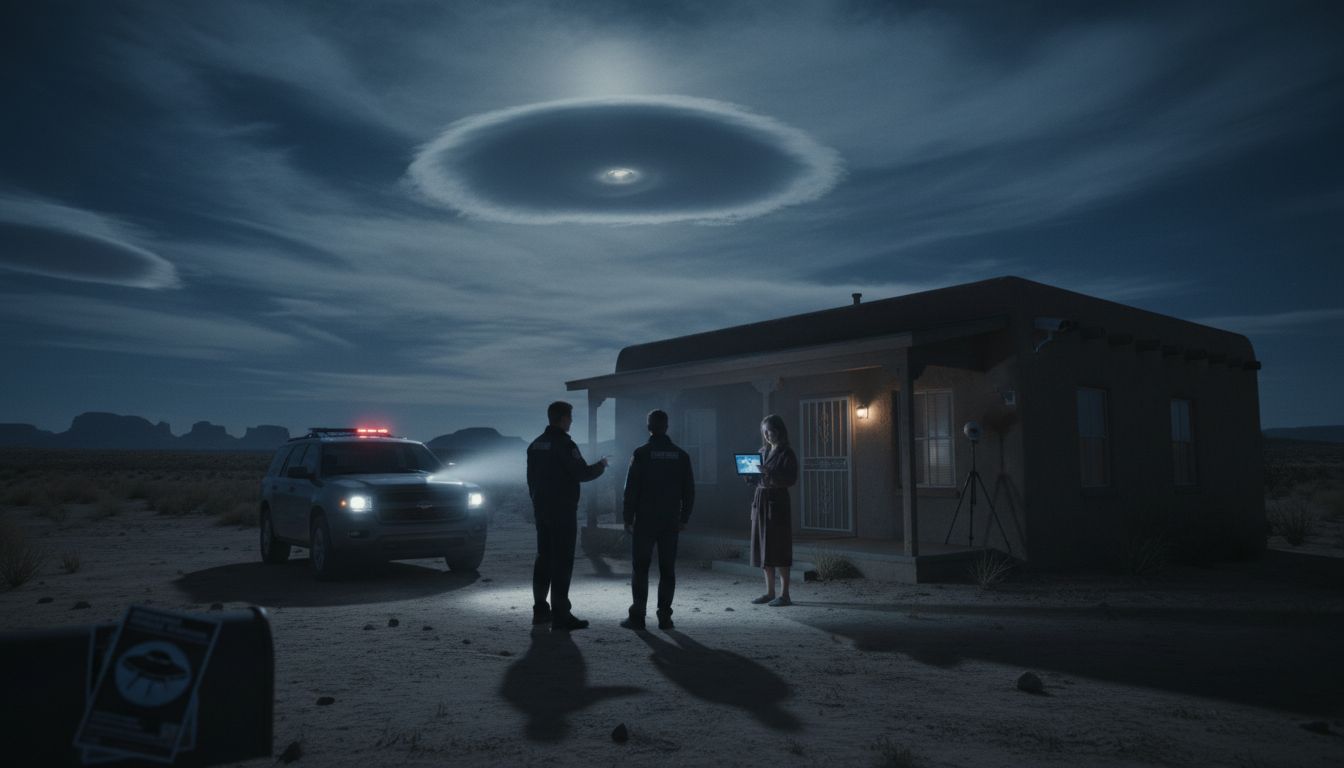
New Mexico authorities have escalated the search for retired Air Force General William Neil McCasland, a prominent UFO researcher who vanished from his home in Bernalillo County on February 27. After two weeks of conventional investigative efforts, the Bernalillo County Sheriff’s Office has asked more than 600 nearby residents to submit any home‑security camera recordings that might contain footage of the missing general or the circumstances surrounding his disappearance.
Background
McCasland, 68, is best known for his tenure as commander of the Air Force Research Laboratory and for his later work with the Pentagon’s Unidentified Aerial Phenomena (UAP) program. His involvement in high‑level studies of anomalous aerial activity has made his disappearance a subject of interest far beyond the local community. The case initially triggered a Silver Alert, a public notification system used when an elderly or disabled person is missing, underscoring the seriousness with which law enforcement views the situation.
Law‑Enforcement Response
The investigation has moved from standard missing‑person protocols to a broader evidence‑gathering effort. The FBI posted a public appeal on its Albuquerque Facebook page, stating, “We are asking for your help in finding him. We believe there are people who have information valuable to locating Neil who have not yet spoken to law enforcement.” The agency specifically requested video captured on February 27 or 28, including footage from “GoPro or other recording device[s]” taken in the Sandia Mountains, a region where McCasland was known to hike.
Sheriff’s Office spokesperson Deputy Maria Gonzalez explained, “We have exhausted the usual search avenues. Community‑generated video could provide the missing link, whether it shows the general’s last movements or any unusual activity near his property.” The request also reflects a growing trend among investigators to leverage civilian‑owned surveillance systems—doorbells, security cameras, and dash cams—to supplement limited official resources.
Community Involvement
Residents in the affected neighborhoods have been contacted individually and via a public notice posted on the county’s website. Home‑owners with Ring, Nest, or similar devices are being asked to review recordings from the night of February 27 and the following day, and to forward any clips that show activity on or near McCasland’s driveway, driveway gate, or the adjacent hiking trails.
Local homeowner association president Carlos Mendoza said, “We’re cooperating fully. It’s unsettling, but if a neighbor’s camera captured something—even a passing car—it could be crucial.” Privacy concerns have been raised, and officials assure that any submitted footage will be used solely for the investigation and stored in accordance with state data‑protection statutes.
Implications
The push for civilian video evidence highlights both the challenges and opportunities inherent in modern investigations of unexplained aerial phenomena. While McCasland’s expertise in UAP research adds a layer of intrigue, investigators emphasize that the primary goal remains locating a missing senior citizen. Nonetheless, the case may set a precedent for how law‑enforcement agencies collaborate with the public in future UAP‑related inquiries, potentially expanding the pool of usable data beyond traditional sources.
As the search continues, authorities urge anyone with relevant footage—or even a single, seemingly innocuous clip—to come forward. “Every second counts,” Deputy Gonzalez reiterated, “and every frame could bring us one step closer to finding General McCasland.”


