Overview
For more than three decades, reports of “ghost elephants” roaming the remote river basins of Angola’s interior have circulated among locals and a handful of wildlife researchers. In early 2026, veteran conservationist Steve Boyes confirmed the existence of these elusive animals during a multi‑month expedition in the Cuanza and Cuando river systems. The discovery, captured on film and now the centerpiece of a new documentary directed by Werner Herzog, is being leveraged to push for the designation of the region as one of the world’s largest contiguous protected landscapes.
The Expedition and First Evidence
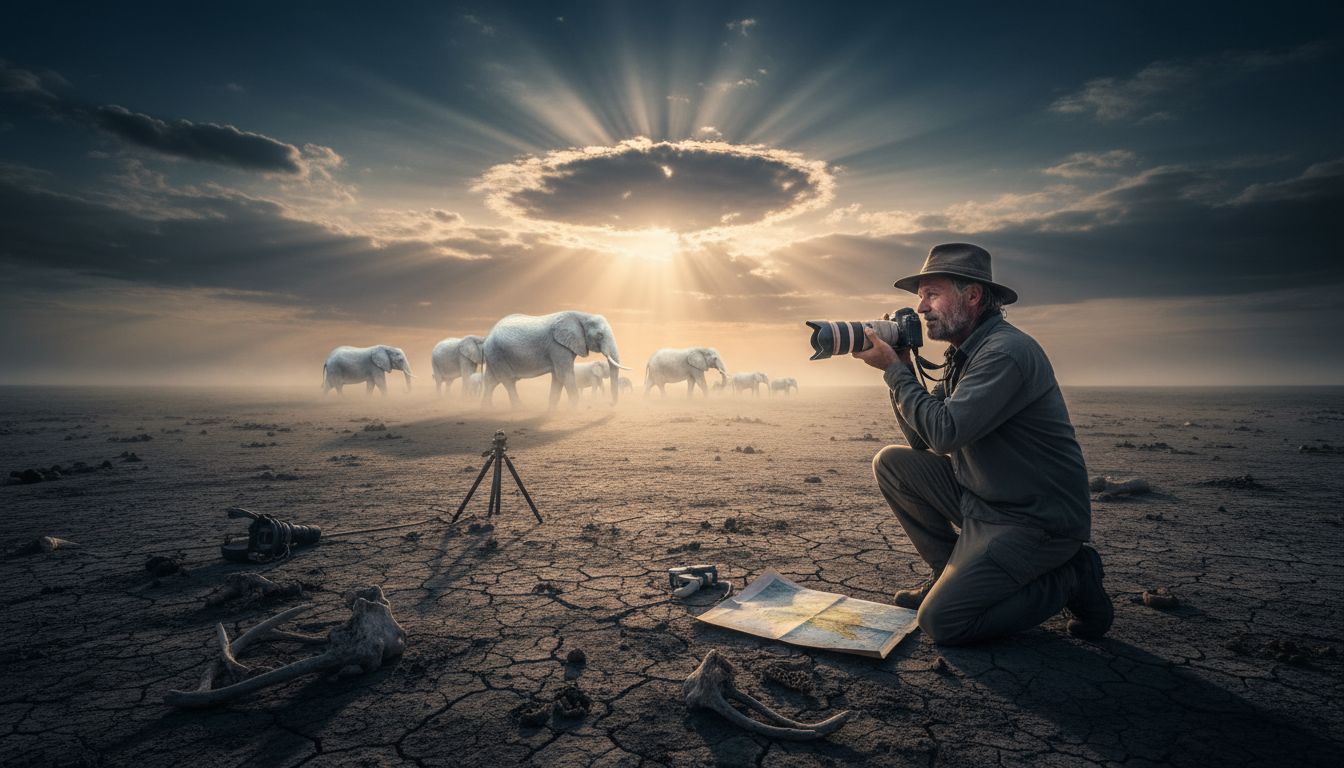
Boyes, who has spent the last 20 years mapping Angola’s post‑war wildlife corridors, led a team of local trackers, drone operators, and geneticists into an area that has remained largely inaccessible since the end of the civil war in 2002. “We heard the low, resonant calls at night and saw brief silhouettes against the river mist,” Boyes told CNN. Using thermal imaging and strategically placed camera traps, the team recorded over 30 separate sightings, each confirmed by independent field notes. The footage, now featured in Herzog’s film, shows the elephants moving in small, tight-knit groups—behaviour that differs from the larger, more open herds typical of savanna habitats.
Genetic Research and Origins
Parallel to visual documentation, a consortium of scientists from the University of Pretoria and the Smithsonian’s National Museum of Natural History collected dung samples from the riverbanks. Preliminary mitochondrial DNA analysis suggests the “ghost” herd may be a genetically distinct sub‑population, possibly descended from a remnant group that survived Angola’s decades of conflict and poaching. Dr. Lina Moyo, a molecular ecologist involved in the study, explained: “The genetic signatures we’re seeing are not a perfect match to known savanna or forest elephant lineages. This hints at a unique evolutionary pathway, perhaps shaped by the isolated riverine environment.”
Conservation Push and the Documentary
The visual and genetic evidence is being used to bolster a proposal submitted to the Angolan Ministry of Environment to expand the existing protected area network by roughly 150,000 km², creating a contiguous corridor that would rank among the planet’s largest. The upcoming documentary, titled Ghosts of the Cuanza, aims to raise international awareness and attract funding for anti‑poaching patrols, community‑based monitoring, and sustainable tourism initiatives. Herzog, known for his stark portrayals of human‑wildlife interaction, said in a recent interview: “These elephants embody both the resilience of nature and the fragility of ecosystems that have endured war. Their story deserves a global audience.”
Balancing Secrecy and Science
While the film will bring unprecedented visibility, Boyes emphasized the need to protect the herd’s exact locations. “Publicizing precise coordinates would invite illegal hunters,” he warned. Consequently, the research team is adopting a “secure data” protocol, sharing location details only with vetted conservation agencies and government officials. This approach mirrors successful models used in protecting rhinos in South Africa and pangolins in Southeast Asia, where confidentiality has been critical to reducing poaching pressure.
Outlook
If the protected‑landscape proposal gains approval, Angola could join a select group of nations—such as Brazil’s Amazon and Canada’s boreal forest—in managing a trans‑boundary wilderness that supports not only elephants but also countless other endemic species. The combined scientific, cinematic, and policy efforts surrounding the “ghost elephants” illustrate a growing trend: leveraging cutting‑edge research and storytelling to translate mystery into measurable conservation outcomes. As Boyes concluded, “Finding them was only the first step; ensuring they thrive for generations to come is the real challenge.”


