Overview
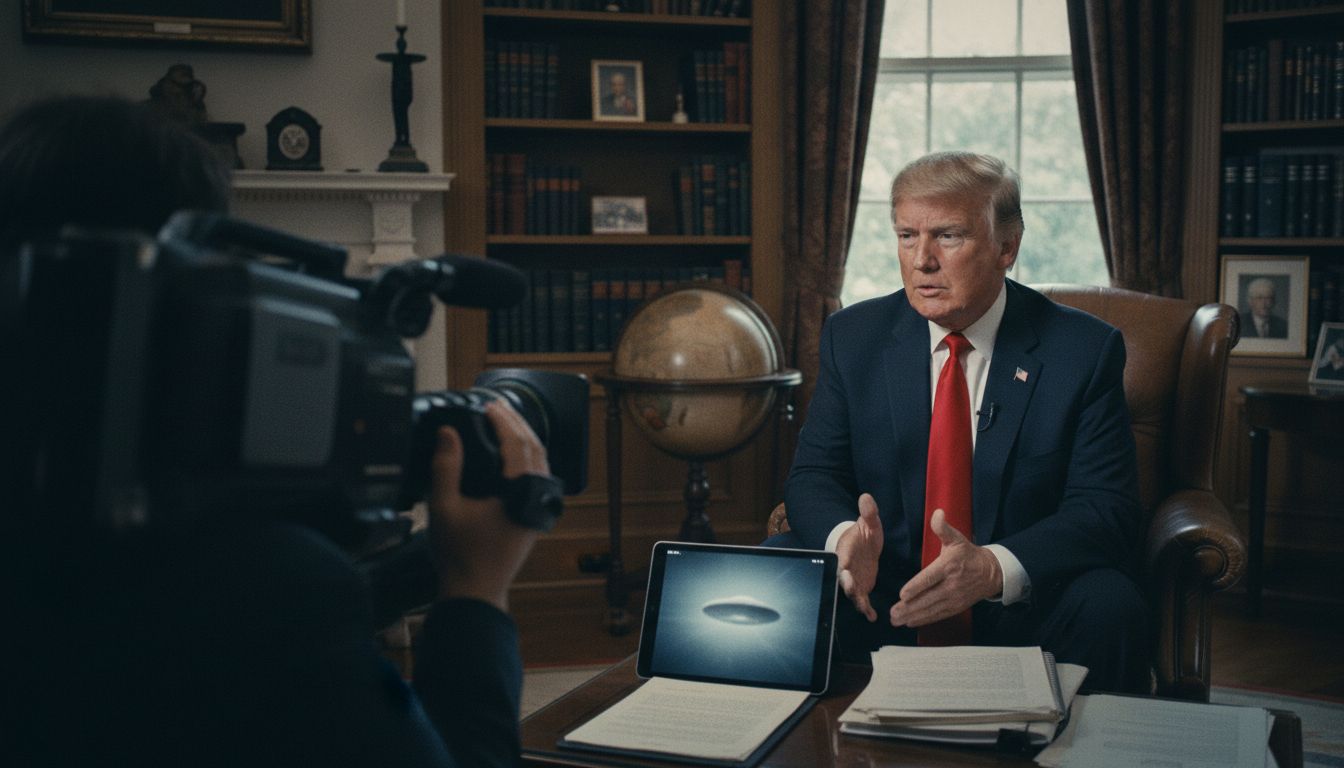
In a recent interview, acclaimed film director [Name] argued that the United States government’s ongoing attempts at UFO/UAP disclosure have reached a “dead end.” Speaking to NewsNation on June 3, the director said that despite years of high‑profile releases of classified footage and the establishment of a Pentagon office for unidentified aerial phenomena, officials have yet to present concrete, verifiable evidence of extraterrestrial technology. “[We] keep hearing about “secret” programs and “leaked” videos, but none of it moves us beyond speculation,” he said, urging both the public and policymakers to shift the conversation toward rigorous scientific investigation rather than sensational claims.
Context of Recent Disclosure Efforts
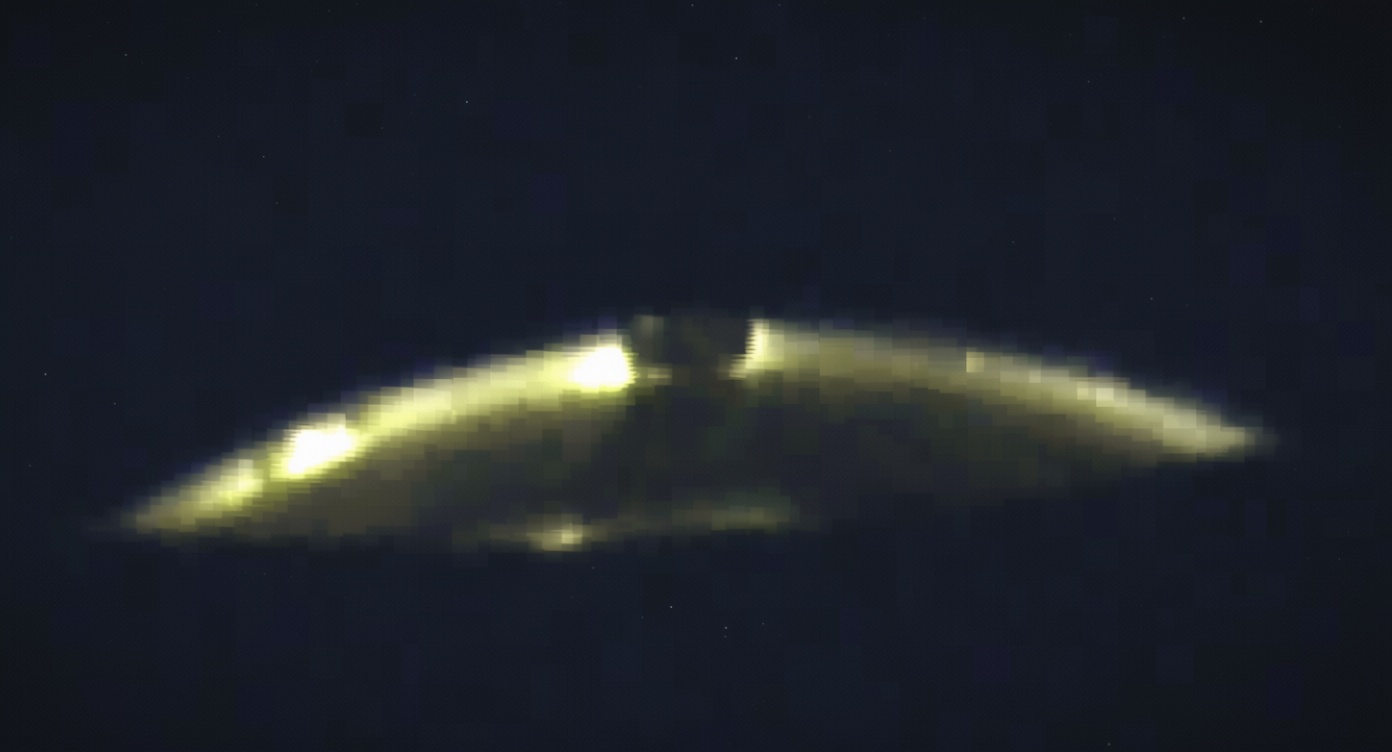
The push for transparency on unidentified aerial phenomena accelerated after the 2020 release of the “UAP Task Force” report, which acknowledged 144 sightings by military personnel that could not be readily explained. In 2023, Congress mandated the formation of the All‑Domain Anomaly Resolution Office (AARO), and a series of declassified videos—most notably the “Gimbal” and “GoFast” clips—were widely circulated in mainstream media. While these steps have satisfied a segment of the public eager for answers, critics argue that the disclosures remain incomplete: no physical artifacts have been produced, and the chain of custody for the released footage has not been independently verified.
Director’s Critique and Call for Science
Drawing on his experience documenting aerospace subjects, the director highlighted a pattern he sees across the disclosure timeline. “Every time a new video drops, the narrative resets, but the underlying data never changes,” he noted. He pointed to the lack of peer‑reviewed studies or open‑access datasets that would allow independent researchers to test hypotheses about propulsion, materials, or flight dynamics. “If we truly want to understand what’s out there, we need controlled experiments, systematic data collection, and collaboration with universities and civilian research institutions,” he said. The director cited the example of the SETI (Search for Extraterrestrial Intelligence) program, which has sustained decades of scientific inquiry without resorting to speculation.
Reactions from the Scientific Community
Several aerospace and astrophysics experts echoed the director’s concerns. Dr. Laura Chen, a professor of aeronautics at the University of Colorado, told NewsNation that “the current disclosure framework is more political than scientific.” She emphasized that without transparent methodology, it is impossible to differentiate between advanced human technology, sensor anomalies, or genuinely unknown phenomena. Dr. Chen added that funding for a dedicated UAP research laboratory—subject to standard scientific oversight—could yield measurable progress, much like the way the National Aeronautics and Space Administration (NASA) conducts planetary science missions.
Policy Implications and Next Steps
The director’s remarks arrive as lawmakers prepare to vote on a supplemental defense appropriations bill that includes a modest increase in funding for AARO. Critics argue that the allocation, while symbolically important, does not address the core issue of data accessibility. Advocacy groups such as the Scientific Coalition for UAP Research (SCUAP) have drafted legislation that would require any government‑held UAP data to be deposited in a publicly searchable repository after a 90‑day security review. If enacted, such measures could satisfy calls for openness while protecting legitimate national‑security concerns.
In the meantime, the director urged the entertainment industry, which often dramatizes UFO encounters, to partner with credible scientists in producing documentaries that reflect the current state of knowledge. “Our cultural fascination with aliens should not distract us from the real scientific frontier—understanding anomalous aerial phenomena with the same rigor we apply to any other unexplained natural event,” he concluded. The hope, he said, is that a shift from hype to hypothesis will finally move the disclosure conversation out of a dead end and into a productive research agenda.