A Victorian Ghost-Hunting Sensation
Borley Rectory, a large red-brick clergy house in rural Essex, became one of Britain’s most famous alleged haunted sites during the early 20th century. The draughty, poorly maintained building was surrounded by local stories of spectral figures, unexplained disturbances and messages said to have appeared on its walls. By the 1930s, it had acquired a reputation as “the most haunted house in England.”
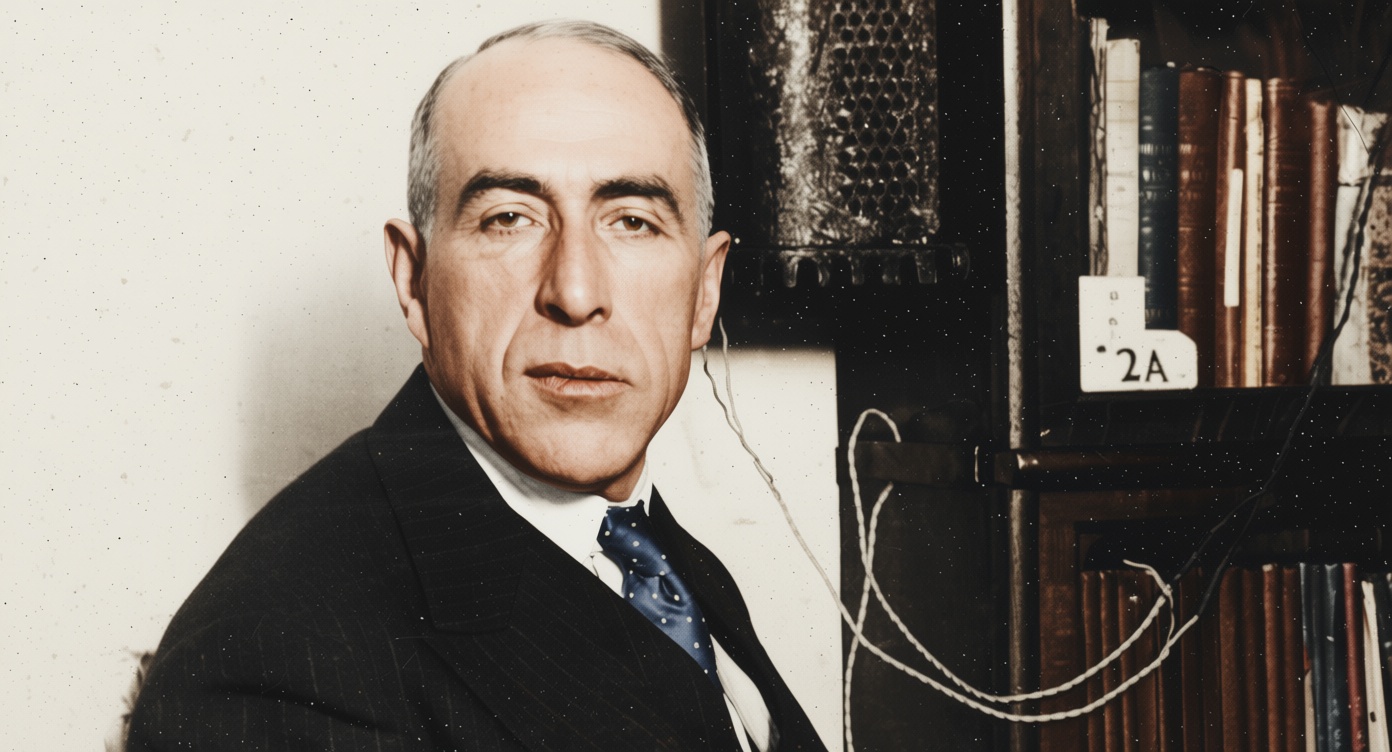
The case attracted Harry Price, a wealthy self-styled ghost hunter and psychical researcher whose investigations made him a national celebrity. According to HistoryExtra, Price’s interest in Borley reflected both the period’s fascination with the supernatural and his own appetite for publicity. His work helped transform a collection of local rumours into a major media story—and established Borley Rectory as a landmark in the history of modern ghost hunting.
Spiritualism and the Appeal of the Paranormal
Price’s investigations took place against the backdrop of a society unusually receptive to claims of communication with the dead. Victorian Britain had developed a strong interest in spiritualism, while the trauma of the First World War intensified public concern about what might lie beyond death. Families grieving for sons, husbands and fathers often sought reassurance that death was not an absolute ending.
“There are ghosts in every culture, throughout history,” Alice Vernon, an author and Aberystwyth University academic, told the HistoryExtra podcast. “They’re all differently defined and manifest in different ways. But my definition of a ghost is that it’s a lingering echo of something that was once alive.” In that cultural climate, investigators such as Price occupied an ambiguous position: they presented themselves as researchers, but their work also fed a growing appetite for dramatic supernatural narratives.
Price’s Methods and Reputation
Price’s Borley investigation ultimately became the defining episode of his career. His reports and public demonstrations brought the rectory widespread attention and helped popularise the idea that alleged hauntings could be examined through observation, recording and experimentation. He also used devices designed to monitor séance participants, an approach that reflected his stated interest in distinguishing genuine phenomena from fraud.
Yet Price’s reputation did not remain unchallenged. Later critics accused him of sensationalism, weak investigative methods and possibly staging some of the reported disturbances. These allegations damaged his standing among researchers and contributed to a continuing debate over whether Borley’s events were evidence of paranormal activity, the result of ordinary causes, or amplified by publicity. The controversy also illustrates the difficulty of investigating claims that depend heavily on testimony, expectation and media attention.
A Modern Question About Hauntings
The Borley story remains relevant partly because it raises questions that extend beyond whether a particular ghost existed. A 2025 paper in the Journal of Scientific Exploration examined 295 unusual disturbances reported at a Silicon Valley home during the COVID-19 lockdown. The study explored whether experiences described as hauntings might sometimes reflect a person’s changing relationship with their surroundings rather than the actions of an external entity.
The lockdown setting is significant: people spent far more time at home, under conditions of stress, isolation and heightened awareness of ordinary sounds and changes in the environment. The research does not resolve the paranormal question, but it offers a framework in which reported disturbances can be studied as experiences shaped by place, attention and interpretation.
An Enduring Legacy
Borley Rectory was eventually destroyed by fire and no longer stands, but its reputation has survived. Price’s work continues to influence popular ghost hunting, even as doubts about his methods remain central to assessments of his legacy. The case demonstrates how rumour, grief, cultural expectations and publicity can combine to create a powerful haunting narrative—one capable of outliving both its investigators and the building at its centre.