Overview
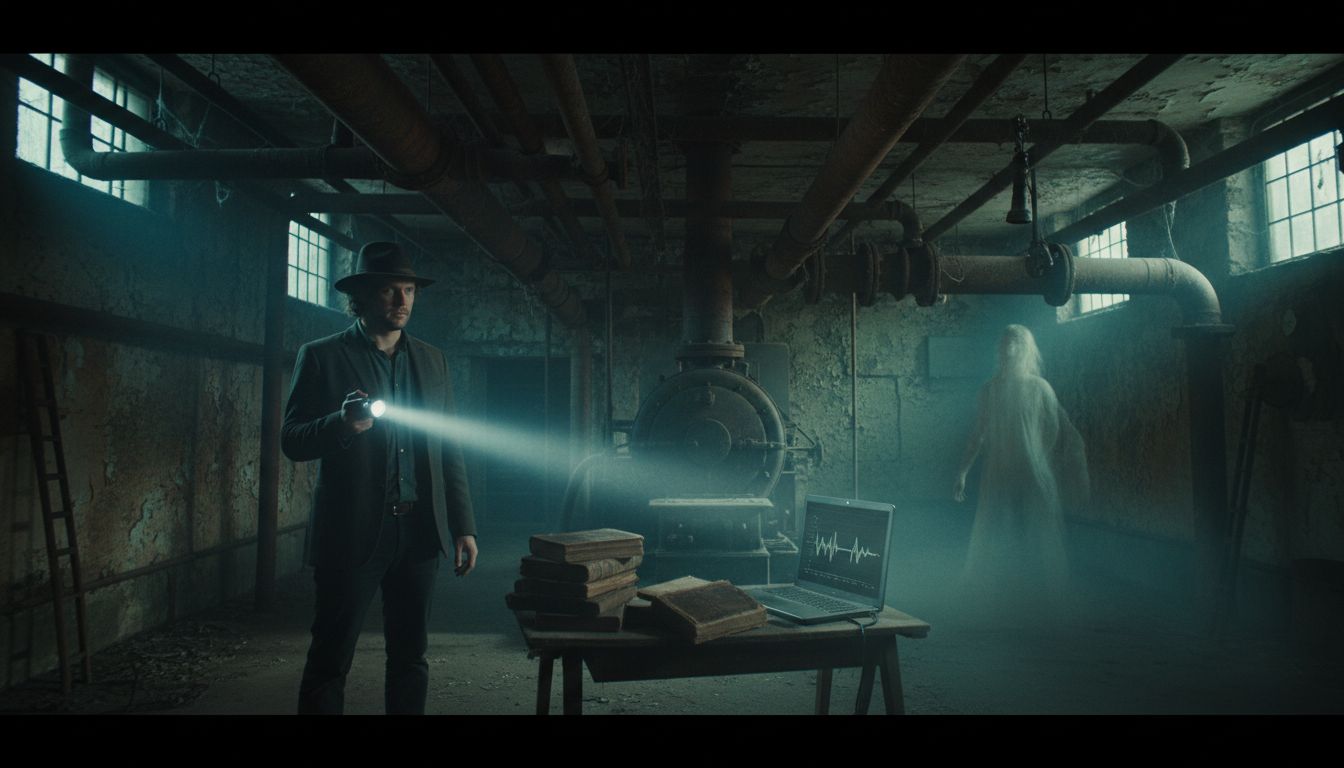
A recently circulated report has revived an old hypothesis: that low‑frequency sound waves—infrasound—generated by aging plumbing or ventilation systems could be responsible for many classic “haunted house” experiences. The claim has attracted attention from paranormal investigators, building engineers, and skeptics alike. However, leading experts in auditory perception and anomalous phenomena caution that the explanation is incomplete and may distract from more nuanced investigations of reported hauntings.
Scientific Perspective
Dr. Greg Taylor, a researcher who has published on the physiological effects of low‑frequency vibrations, acknowledges that infrasound can produce mild discomfort. “Prolonged exposure to frequencies below 20 Hz may cause a sense of unease, nausea, or even visual disturbances in some individuals,” Taylor said in an interview. “But those symptoms are far removed from the full suite of phenomena traditionally described as paranormal—such as sudden temperature drops, apparitions, or poltergeist‑type object movement.”
Taylor points to controlled laboratory studies where participants exposed to 17 Hz tones reported a vague feeling of dread, yet no spontaneous visual hallucinations were recorded. “The human vestibular system can be tricked by infrasound, leading to a perception of floating or disorientation,” he explained, “but the dramatic, localized events that witnesses describe in haunted houses remain unexplained by acoustic factors alone.”
Critique of the “Haunted People Syndrome” Label
Adding another layer to the debate, psychologist Mark Mahin has criticized the growing tendency within some scientific circles to label eyewitnesses of alleged hauntings with the catch‑all term “Haunted People Syndrome.” Mahin argues that the label functions as a form of stigma, discouraging individuals from reporting experiences that might otherwise provide valuable data.
“By dismissing reports as a psychological syndrome, we risk silencing a segment of the population that could help identify environmental or sociocultural triggers,” Mahin wrote in a recent commentary. He warns that the term may inadvertently reinforce the very skepticism it seeks to promote, creating a feedback loop where genuine, unexplained incidents are under‑reported and therefore harder to study.
Context and Ongoing Research
The infrasound hypothesis is not new. In the 1990s, a series of experiments demonstrated that a 17 Hz tone could induce feelings of awe or fear in test subjects, prompting speculation that abandoned factories or old churches might generate similar vibrations. More recent building‑diagnostic studies have documented that aging pipe networks can emit low‑frequency hums, especially when water flow is irregular.
Nevertheless, the methodology of the latest report has been called into question. Critics note that the study relied heavily on anecdotal testimonies and did not systematically measure infrasound levels in the investigated locations. Moreover, the report did not control for other variables known to affect perception, such as lighting, temperature gradients, and prior expectations of participants.
Implications for the Field
While infrasound may contribute to a general sense of discomfort, the consensus among acoustics experts and paranormal researchers is that it cannot fully account for the richer tapestry of haunted‑house reports. The dialogue highlighted by Taylor and Mahin underscores a broader need for interdisciplinary collaboration—combining acoustic engineering, psychology, and cultural anthropology—to parse out which elements are environmentally induced and which remain unexplained.
As the debate continues, both skeptics and believers agree on one point: rigorous, transparent data collection is essential. Whether future studies will uncover a measurable link between aging infrastructure and specific paranormal claims—or reveal entirely new mechanisms—remains an open question, but the scientific community’s willingness to scrutinize both the evidence and the language used to describe witnesses will shape the credibility of any forthcoming conclusions.