Overview
Tech entrepreneur Jehan Azad spent weeks wrestling with the 2023 Navy “tic‑tac” UFO footage, a series of infrared videos that have become a touchstone for modern UFO (now UAP) discussions. Unable to shake his conviction that the phenomenon was real, Azad hired Peter Miller, a professional skeptic who earned a $100,000 prize for winning a high‑profile debate that dismissed the COVID‑lab‑origin theory. Azad paid Miller roughly $2,000 for three written pieces intended to debunk UFO claims and, according to Azad, the effort “backfired,” leaving him more convinced than ever that extraterrestrial intelligence might be involved.
Background
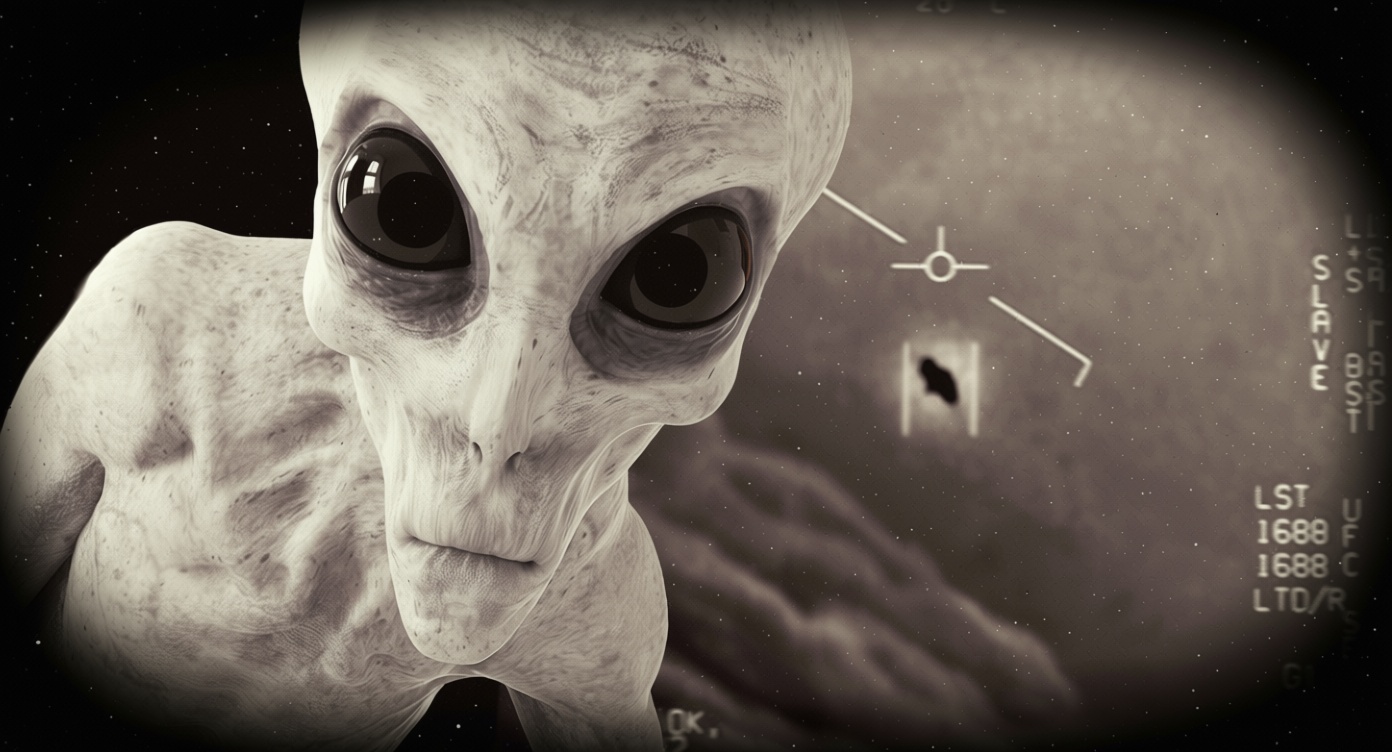
The “tic‑tac” incident—named for the white, cigar‑shaped objects captured by Navy pilots off the East Coast in 2014—has been repeatedly cited in mainstream media, from a 2019 New York Times report on anomalous Navy encounters to the Pentagon’s 2024 acknowledgment that many UAP sightings remain unexplained. While some analysts attribute the sightings to sensor artifacts or conventional aircraft, others argue that the lack of a definitive explanation keeps the door open for more exotic hypotheses.
Azad, a self‑described “UFO enthusiast,” has followed the debate closely. He notes that even powerful SETI (Search for Extraterrestrial Intelligence) arrays “could not detect Earth from its radio signals even if it were at the nearest star,” highlighting a scientific limitation that he believes undermines arguments that the absence of evidence equals evidence of absence.
The Hiring of a Professional Debunker
Peter Miller, known in skeptic circles for his rigorous approach to controversial claims, was approached by Azad in early 2026. Miller’s résumé includes winning a televised debate on the origins of COVID‑19, a victory that earned him a $100,000 prize and the moniker “the world’s expert debunker” from both supporters and opponents.
Azad’s contract stipulated three articles that would systematically dismantle UFO lore, drawing on peer‑reviewed research, radar data, and historical case studies. In exchange, Azad transferred $2,000 and promised to publicize the work on his personal blog. Miller delivered the pieces, emphasizing methodological flaws in many UFO reports and pointing out that “absence of a signal from Earth does not prove we are invisible to any advanced civilization.”
Unexpected Outcome
Rather than easing Azad’s doubts, the articles appeared to reinforce them. In a follow‑up post, Azad wrote, “Peter never did debunk UFOs… the very arguments he used—such as the limitations of SETI—made me slightly more confident in the possibility of extraterrestrials.” He went on to describe a series of actions that escalated his involvement:
- Placing a $10,000 wager on a betting platform that would pay out over a million dollars if definitive proof of alien life emerged.
- Selling his apartment to fund a personal radar‑building project aimed at detecting low‑altitude UAPs.
- Continuing to monitor Navy releases and congressional hearings on UAPs, hoping to catch “the next tic‑tac.”
Azad’s reaction illustrates a psychological phenomenon known as the “backfire effect,” where presenting contradictory evidence can strengthen pre‑existing beliefs.
Broader Implications
Azad’s experience raises questions about how skeptics and believers engage in the public discourse surrounding UAPs. While professional debunkers like Miller rely on established scientific standards, the emotional weight of high‑profile sightings—combined with limited transparency from defense agencies—can diminish the persuasive power of purely logical arguments.
Experts in cognitive psychology caution that outreach on controversial topics should blend factual rebuttal with empathy. Dr. Laura Chen, a psychologist at the University of Washington, notes, “When individuals feel their identity or worldview is threatened, they may interpret even well‑intentioned critique as an attack, prompting defensive reinforcement of their original stance.”
The episode also underscores the growing willingness of private individuals to invest personal resources into independent UAP research. Recent filings with the Federal Communications Commission show a rise in amateur radar installations, suggesting a grassroots movement that could complement—or complicate—official investigations.
Conclusion
Jehan Azad’s attempt to outsource his doubts to the “world’s best debunker” ended up fueling a deeper personal quest into the UFO phenomenon. While Miller’s articles adhered to rigorous standards, the episode highlights the limits of fact‑based persuasion when confronting entrenched beliefs. As the Pentagon continues to release declassified UAP reports and the scientific community debates the best methods for detection, the line between skepticism and curiosity may remain as blurred as the “tic‑tac” objects themselves.