Overview
A viral TikTok trend featuring an AI‑generated image of Adolf Hitler sipping a White Monster Energy drink in Antarctica has drawn attention to a growing wave of hollow‑Earth and Nazi‑UFO narratives on the platform. The videos are part of the “Agartha” meme, which imagines a secret, underground utopia inhabited by an “Aryan” civilization. While the content is fantastical, researchers say it serves a strategic purpose: embedding white‑supremacist ideas within pop‑culture aesthetics that evade moderation and reach millions of primarily young users.
How the Narrative Is Packaged
The study conducted by scholars at Neu‑Ulm University of Applied Sciences examined more than 43,000 Agartha‑related TikTok posts. They identified four tactics far‑right actors use to mainstream extremist ideology:
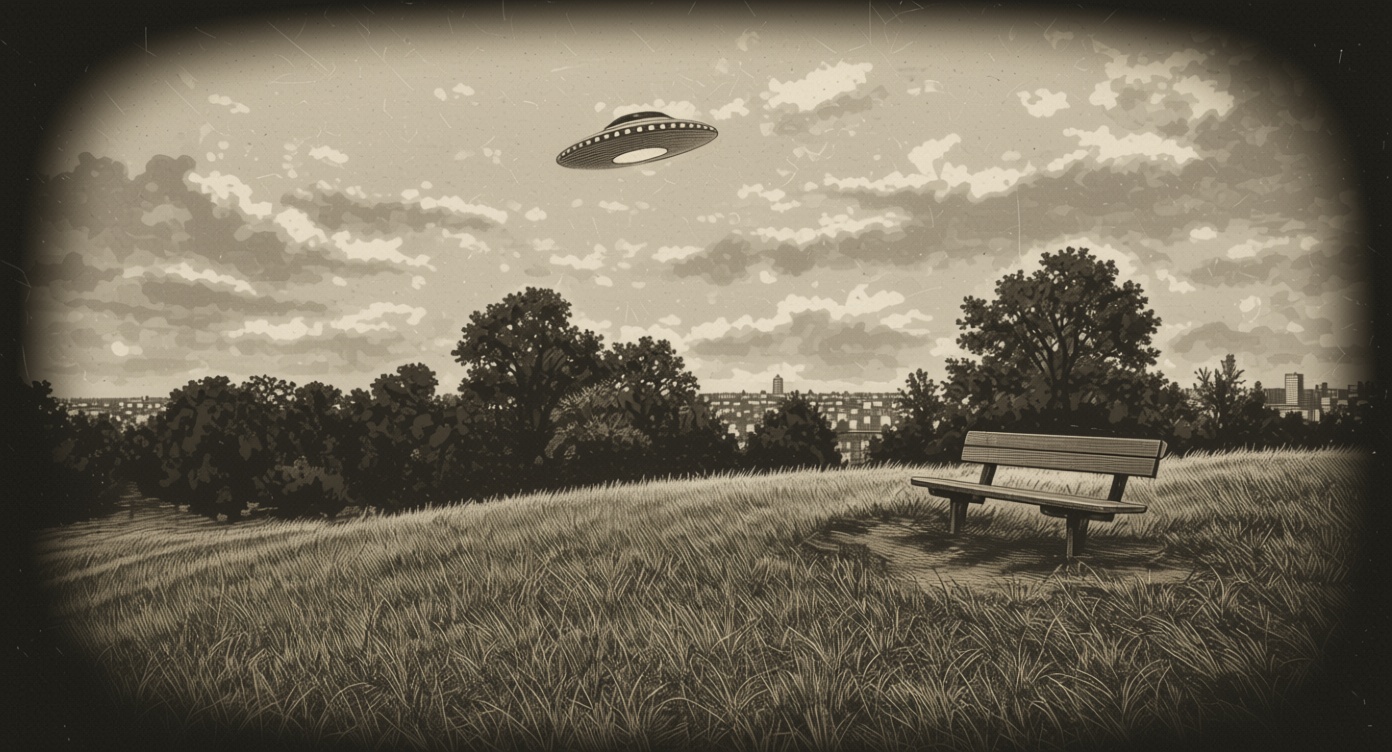
- Aesthetic camouflage – Generative AI creates glossy sci‑fi visuals—elf‑like figures, glowing underground cities, or retro‑futuristic spaceships—that mask racial messages behind seemingly benign fantasy.
- Dog‑whistles and split‑second provocations – Subtle symbols such as raw‑milk references, the number “271” (a known Holocaust‑denial code), and fleeting flashes of white‑supremacist slogans appear for only a moment, slipping past automated filters.
- Network building – Creators cross‑post, duet, and stitch each other’s videos, forming a self‑reinforcing cluster that amplifies reach through TikTok’s recommendation engine.
- Weaponised irony – Posts adopt a tongue‑in‑cheek tone, allowing participants to claim plausible deniability while still signaling allegiance to extremist subcultures.
These mechanisms combine to keep the content “awful but lawful,” a phrase the researchers use to describe material that is objectionable yet remains within the bounds of current platform policies.
Impact on Audiences
Because TikTok’s algorithm prioritises watch time, the visually arresting Agartha videos hold viewers’ attention longer, prompting the system to serve them to broader audiences beyond the initial fringe community. The researchers note that many viewers are unaware of the embedded symbols, yet repeated exposure can normalize extremist tropes and create a sense of familiarity with white‑supremacist language. “When a user sees a fantastical world populated by ‘pure’ beings, the underlying racial hierarchy can feel almost natural,” said Dr Lena Schmidt, a lead author of the study. The trend therefore functions as a low‑friction recruitment tool, especially among teenagers who are drawn to the novelty of AI‑generated art.
Platform and Policy Response
TikTok has publicly pledged to combat extremist content, but the subtlety of Agartha videos poses a challenge. The platform’s moderation guidelines focus on overt hate speech, leaving “borderline” material—like coded symbols or mythic storytelling—largely untouched. Advocacy groups such as the Global Internet Forum to Counter Terrorism (GIFCT) have classified these posts as “borderline content” that can be legally permissible yet socially harmful. Experts urge TikTok to refine detection algorithms to recognize recurring extremist motifs, and to collaborate with researchers who can map the evolving visual language of far‑right propaganda.
Looking Ahead
The Agartha phenomenon illustrates a broader shift in extremist communication: leveraging emerging technologies and mainstream memes to cloak hateful ideologies. As generative AI tools become more accessible, the line between creative expression and covert radicalisation may blur further. Ongoing monitoring by academic teams and policy makers will be crucial to ensure that the platforms’ openness does not become an inadvertent conduit for white‑supremacist recruitment. In the meantime, media literacy initiatives aimed at young users could help them recognize and critically assess the hidden messages lurking behind the spectacle of hollow‑Earth fantasies.