Overview
Hundreds of volunteers are expected to descend on Loch Ness in September for what organisers are calling the largest coordinated search for the famous monster yet, as renewed interest in the legend continues to draw amateur researchers, long-time believers and curious onlookers to the Scottish Highlands. The effort will be led by the volunteer research team Loch Ness Hunter, and is set to combine shore-based observation, drone surveillance, hydrophone monitoring and livestream coverage in an attempt to spot anything unusual beneath or above the loch’s surface.
Loch Ness explorer Rob Long said the team hopes to approach the search methodically rather than theatrically. “Nessie is there, we all know it, and we don't want to scare or put her in fear, but it would be great to subtly be able to get some answers into the legend,” he said. Long added that recent activity has been less visible than in some previous years, but argued that the creature is still being reported in the area.
Search Methods and Volunteer Role
According to organisers, volunteers will be positioned around the loch at multiple vantage points, scanning for movement while others assist with equipment and data collection. Drones fitted with infrared cameras will be flown over the water to look for disturbances below the surface, while a hydrophone will be used to listen for unusual underwater sounds. The planned combination of observation technologies reflects a more structured approach than many earlier Nessie hunts, which often relied almost entirely on anecdotal sightings.
The September operation follows previous searches by groups such as Loch Ness Exploration, whose organiser Alan McKenna said volunteers were trained to distinguish natural activity from the extraordinary. “We were looking for breaks in the surface and asking volunteers to record all manner of natural behaviour on the loch,” he said. “Not every ripple or wave is a beastie. Some of those can be explained, but there are handful that cannot.” The same tension — between ordinary lake activity and unexplained reports — continues to fuel the appeal of the hunt.
Sightings and Ongoing Interest
Interest in the loch has been further boosted by fresh reports this year. Two new sightings have been added to the official 2026 register, bringing the year’s total to eight reported Nessie sightings. One of the most recent accounts came from eight-year-old Abigail Ross and her family, who said they saw a small dark object in the distance measuring roughly six feet long and three feet high. While such reports remain unverified, they continue to provide the raw material for the loch’s enduring folklore.
The renewed search also comes amid broader speculation that the mystery may be deeper than a single creature. Earlier this week, some claims suggested Nessie may even have had “babies,” though such theories remain unproven and are not supported by scientific evidence. Still, the steady stream of sightings ensures Loch Ness remains a focal point for both believers and skeptics.
A Legend That Endures
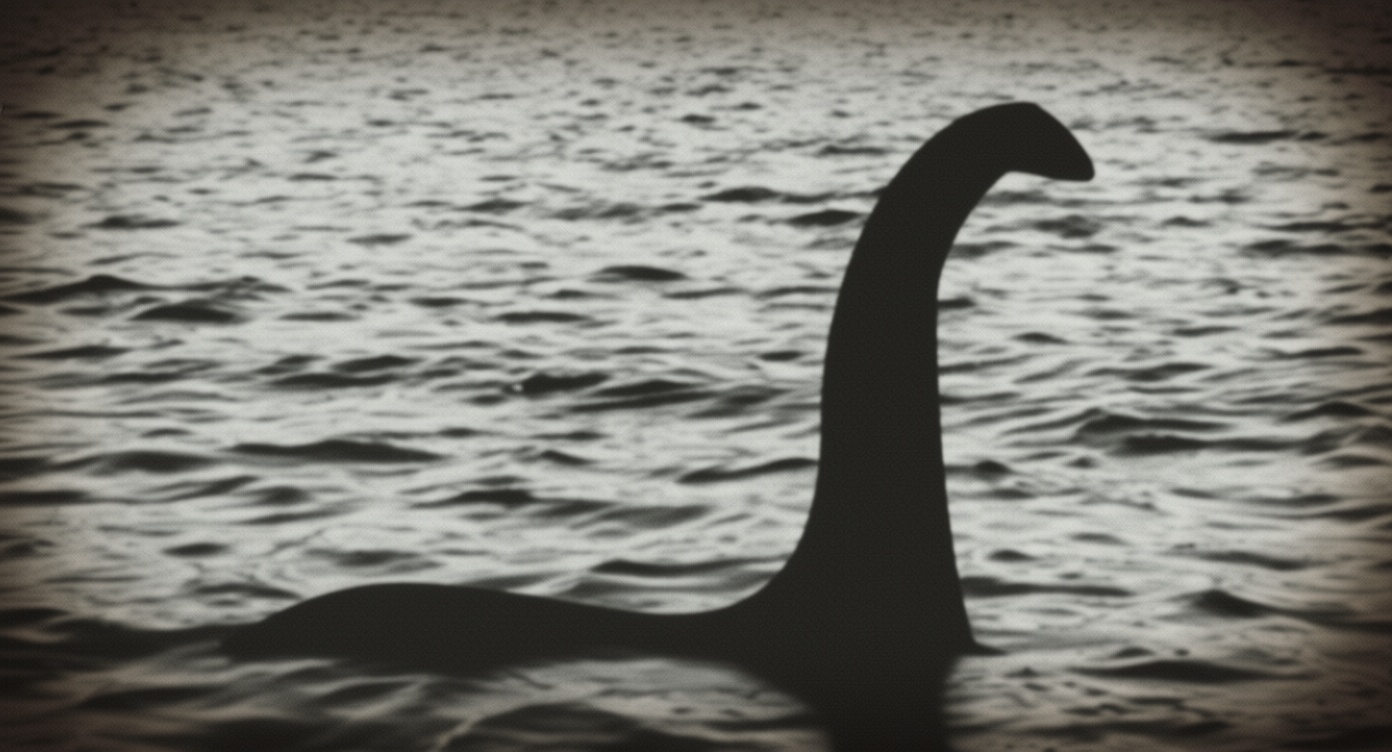
The modern Nessie legend dates back more than 90 years, to April 1933, when hotel manageress Aldie Mackay reported seeing a whale-like creature in the loch. Since then, Loch Ness has become one of the world’s best-known mystery sites, with generations of searchers trying to separate myth from misidentification. Steve Feltham, who has spent decades hunting for the monster full-time since 1991, remains among the best-known figures in the field and regularly posts updates on his efforts.
For organisers and volunteers alike, September’s search is less about proving a legend outright than about gathering evidence in a place where mystery has become part of the landscape. Whether the event produces a breakthrough or simply more questions, Loch Ness is once again set to become the centre of global attention.