Overview
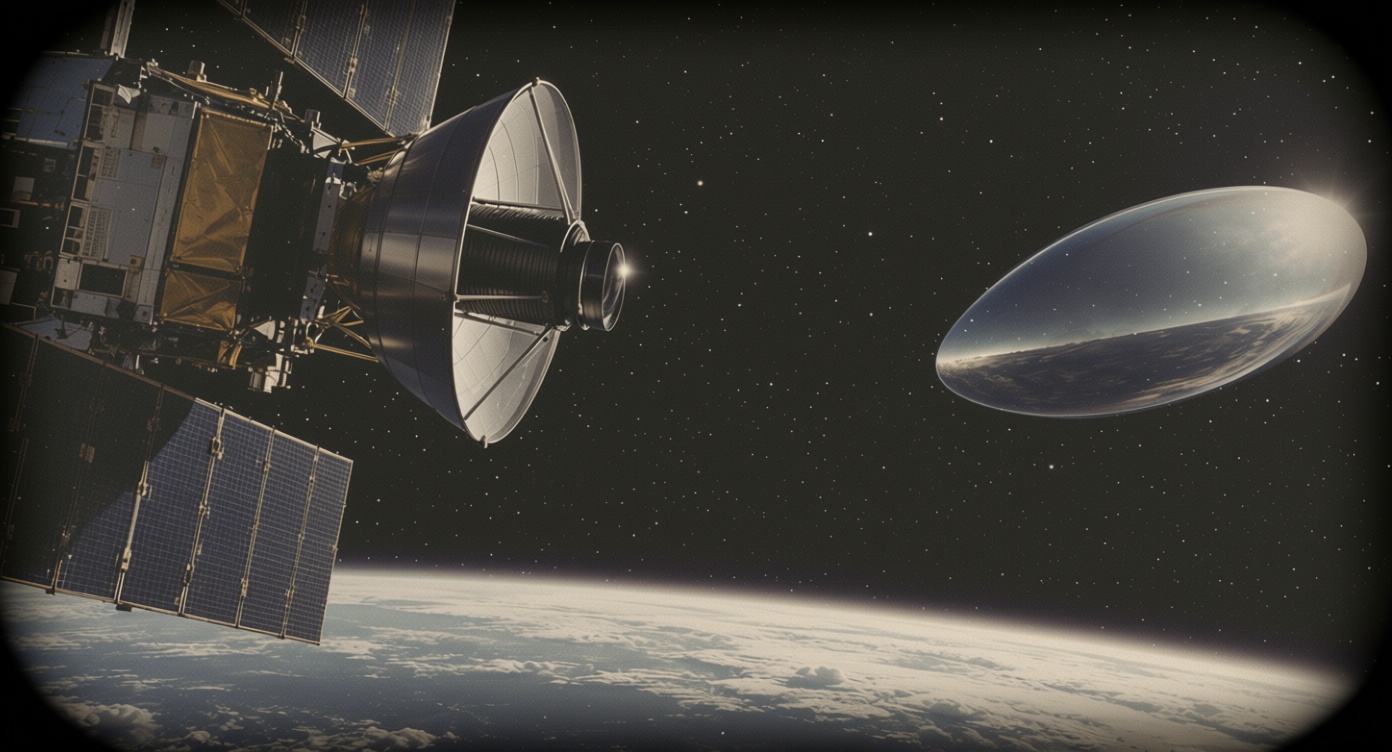
A newly discovered distant object, 2023 KQ14, is giving astronomers fresh reason to rethink the case for a hidden Planet Nine at the far edge of the Solar System. Detected with the Subaru Telescope in Hawaii, the object lies in the Kuiper Belt but follows a highly elongated, detached path known as a sednoid orbit — meaning it travels so far from the Sun that Neptune’s gravity has little to no meaningful influence on it. That makes it part of a small and scientifically important class of bodies that can help reveal how the Solar System’s outermost regions formed and evolved.
The discovery matters because Planet Nine has been a leading explanation for why some extreme trans-Neptunian objects appear to have unusual, clustered orbits. But each new object found at the Solar System’s edge can either strengthen or weaken that theory. In the case of 2023 KQ14, the orbit does not fit neatly into the expected pattern, adding another layer of uncertainty to an already difficult search.
The Planet Nine Hypothesis
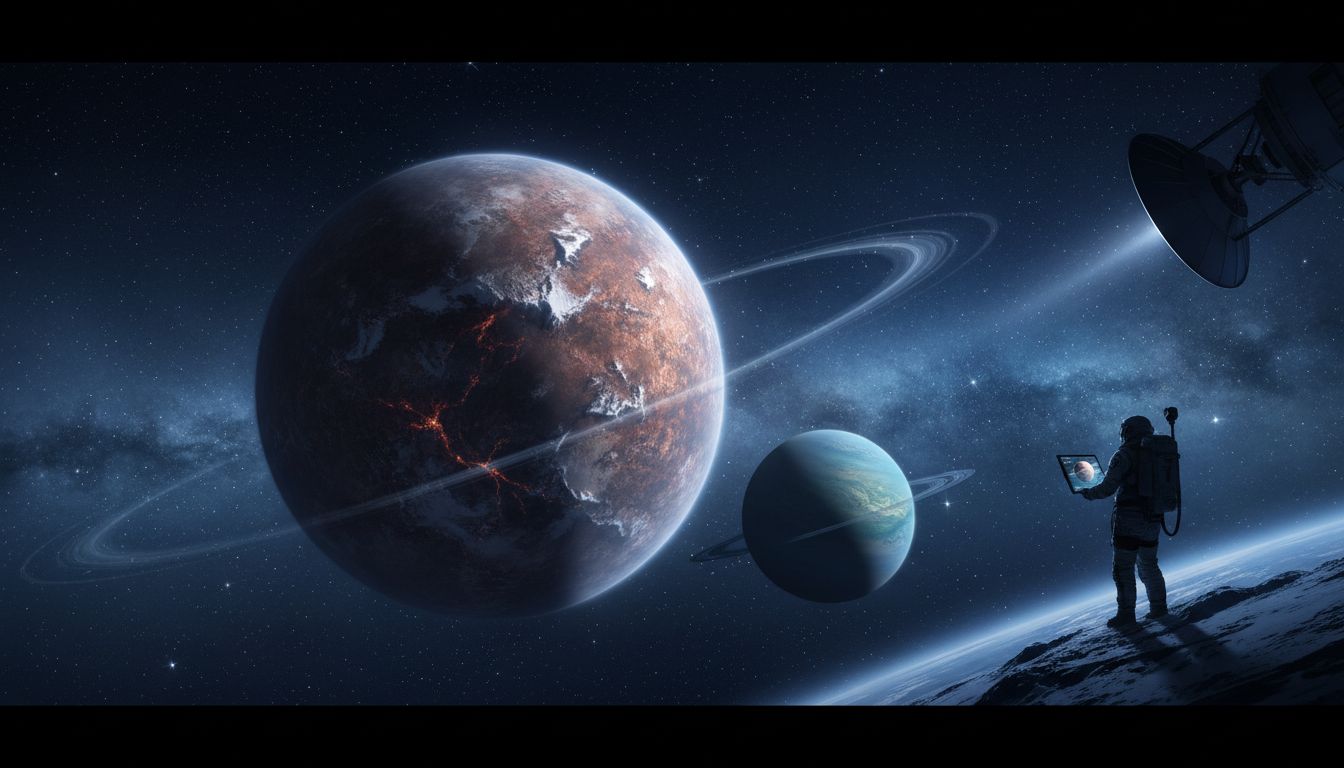
The idea of a massive unseen planet in the outer Solar System is not new. Astronomers once invoked a hypothetical “Planet X” to explain irregularities in Uranus’s orbit, although that puzzle was later resolved by refining Neptune’s mass. The modern version of the idea emerged in 2016, when Caltech astronomers Konstantin Batygin and Mike Brown proposed that a still-undetected planet several times the mass of Earth could explain the odd orbital behavior of distant Kuiper Belt objects.
Their argument rests on gravitational clustering: if several far-flung objects share similar orbital orientations, something massive could be shepherding them into those paths. Brown has remained publicly confident in the hypothesis, saying in 2024, “I think it is very unlikely that P9 does not exist.” He added that there are, in his view, no other explanations that fully account for the effects currently observed in the outer Solar System.
Why 2023 KQ14 Complicates the Picture
Objects like 2023 KQ14 are important because they do not always behave the way Planet Nine supporters would expect. Sednoids are detached enough from Neptune that their orbits may preserve ancient clues about the Solar System’s past — or about an unseen planetary influence. But when new bodies are discovered with orbital paths that do not align cleanly with the broader clustering argument, they make it harder to say that a single large planet is driving all the motion.
That is what makes the latest finding significant: instead of clarifying the Planet Nine picture, it raises new questions about whether the outer Solar System is being shaped by one undiscovered planet, by past gravitational encounters, or by a more complex mix of processes. The more such objects astronomers find, the more the outer Solar System seems less like a simple puzzle and more like a dynamic archive of its early history.
What Happens Next
Researchers say the hunt will continue as telescope surveys uncover more trans-Neptunian objects with unusual orbits. Each discovery helps refine models of the Solar System’s edge, where the Sun’s gravitational influence still reaches far beyond Neptune. But for now, 2023 KQ14 is a reminder that the Planet Nine debate remains unresolved. Rather than closing the case, the object adds another twist — and underscores how little is still known about the cold, distant frontier beyond the known planets.