
Overview
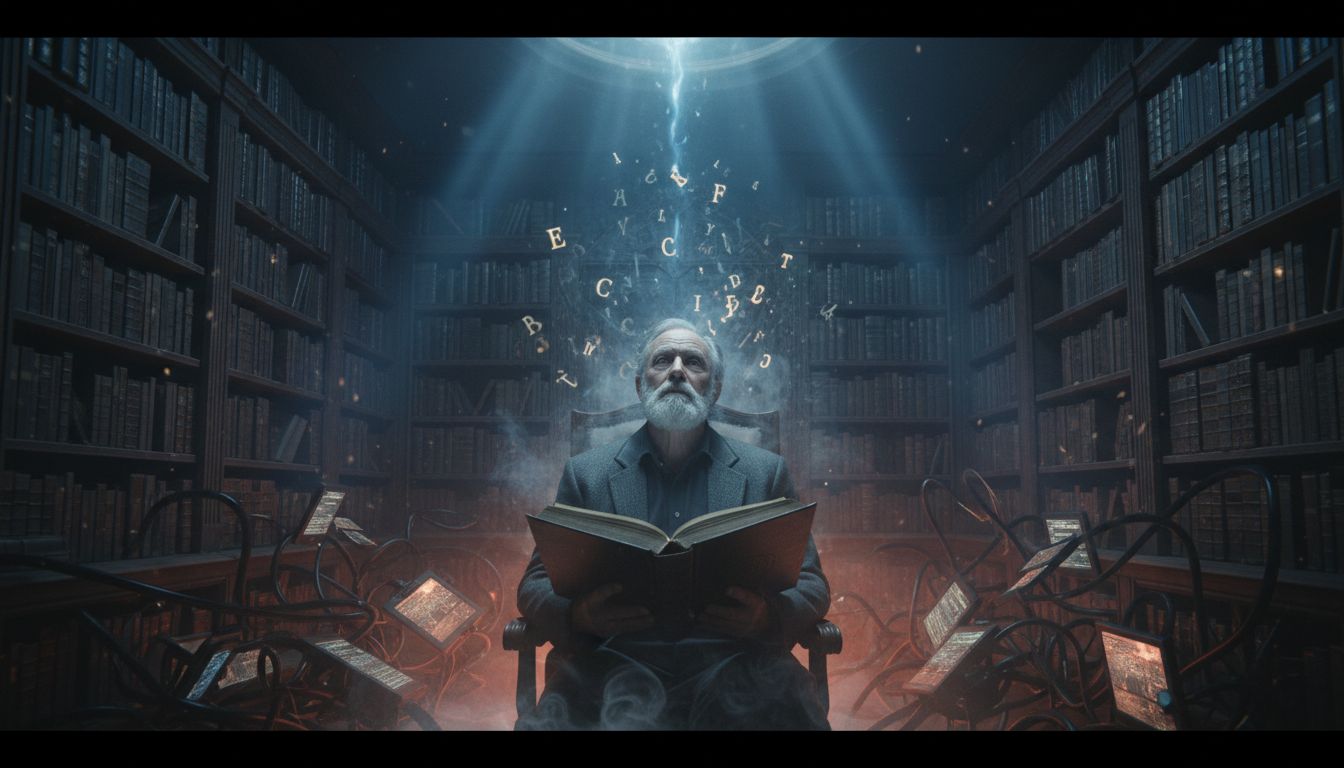
Philosopher Michael Grosso, author of the blog Consciousness Unbound, has sparked renewed debate by asking whether reading itself might be considered a psychic phenomenon. In a December 15, 2025 post, Grosso argues that the act of turning written words into lived experience engages imagination, critical thought, and intuition in a way that surpasses most digital interactions. He warns that the rise of screen‑based media—particularly AI‑driven content—has eroded collective attention spans, making the disciplined practice of reading both rarer and more essential.
The Psychic Claim
Grosso frames his hypothesis with a broad definition: “Anything we do with our minds is a psychic phenomenon,” yet he distinguishes reading as a “greater psychic challenge.” Citing classic authors such as Mark Twain, Virginia Woolf, and Fyodor Dostoyevsky, he notes that readers must “feel and imagine what you’re reading”, actively co‑creating meaning from static text. “The words are there, but you as reader must bring them to life,” he writes, emphasizing that this mental labor taps into what he calls an “intuitive potential” that screens rarely demand.
Media Saturation and Attention
Grosso’s concerns echo a growing body of research on digital distraction. He points to the “omnipresent” nature of online advertisements and the blurring line between authentic and AI‑generated information: “Under the new AI establishment, real and pseudo‑real can be hard to distinguish.” According to the philosopher, this environment “manipulates consciousness, vying for our money, time, and even our will.” He argues that sustained attention—a skill honed by reading—“can make the difference in the quality of everyday life.” The post cites personal observations of fleeting attention, noting how modern devices “buzz in your face all the time, interrupting you and trying to capture your consciousness.”
Broader Existential Stakes
Beyond media criticism, Grosso links the decline of deep reading to larger existential threats. He warns that climate change and nuclear proliferation loom as collective anxieties that can amplify a sense of despair. In this context, he proposes a transpersonal field of consciousness—a shared, emergent layer of awareness that transcends individual minds. “Reading invites us to draw on our intuitive potentials as well as our respect for matters of fact,” he asserts, suggesting that a revived culture of reading could foster an inner awakening capable of counteracting societal hopelessness.
Reactions and Implications
Scholars of media studies have responded cautiously. Dr. Elaine Rivera, professor of Communication at Northwestern University, notes that while the term “psychic” is unconventional, “the cognitive benefits of deep reading—enhanced empathy, critical analysis, and sustained attention—are well documented.” She adds that Grosso’s call for a “hopeful inner awakening” aligns with emerging research on mindfulness and collective resilience. Meanwhile, education advocates point to the blog’s alarm that “young people are not learning how to read,” urging policy makers to prioritize literacy programs that balance digital fluency with traditional text engagement.
Outlook
Grosso’s essay, though philosophical in tone, raises concrete questions about how societies value and protect the practice of reading amid a flood of digital stimuli. By framing reading as a potential psychic conduit, he invites both academic and public discourse on the role of imagination and attention in navigating contemporary crises. As the conversation unfolds, the challenge remains: can the “training of the will” that reading offers become a mainstream antidote to the fragmented consciousness of the digital age?


