Overview
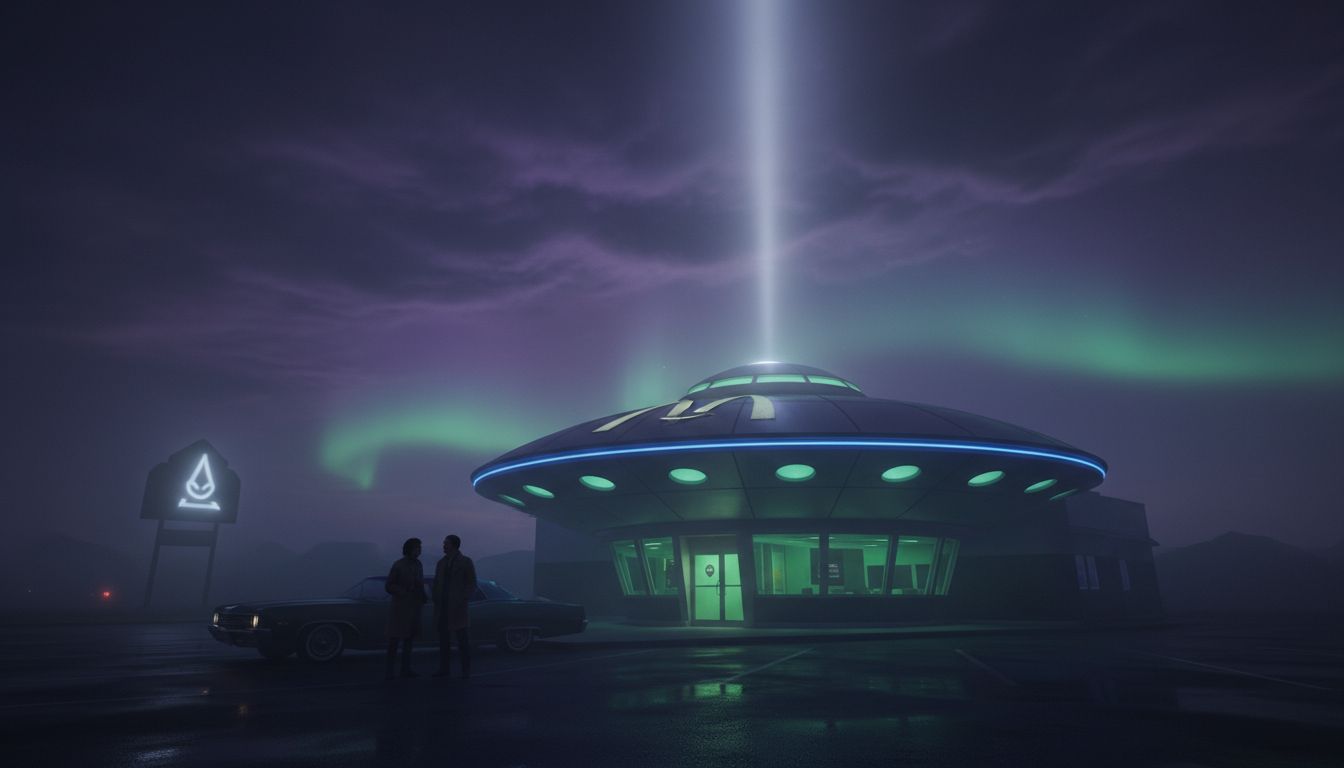
A newly opened McDonald’s on the outskirts of Roswell, New Mexico, has drawn attention for its UFO‑shaped architecture and alien‑themed décor. The fast‑food outlet, which opened its doors on May 1, 2026, features a roof that mimics a classic flying saucer, life‑size alien statues flanking the entrance, and a children’s play area built to resemble a miniature spacecraft. While the menu remains identical to other locations—offering the chain’s standard burgers, fries, and breakfast items—the design is a deliberate nod to Roswell’s long‑standing association with unidentified flying objects (UFOs) and extraterrestrial folklore.
Design and Features
The building’s exterior is constructed from steel panels painted a metallic silver, with a curved dome that rises 25 feet above the ground, creating a silhouette that is unmistakably “out‑of‑this‑world.” Inside, the play zone includes a climb‑through “galactic tunnel,” a slide shaped like a meteor, and interactive panels that project star maps. Two 8‑foot bronze alien sculptures, commissioned by local artist Maria Delgado, greet visitors at the entrance, while a replica of the alleged 1947 crash site is displayed near the ordering counter. The franchisee, Tom Reynolds, said the concept was “a celebration of Roswell’s unique cultural identity, not a gimmick for the sake of novelty.”
Economic Impact
Local officials anticipate the themed restaurant will boost tourism revenue, especially during peak travel months. Roswell’s tourism board estimates that the city welcomes approximately 1.2 million visitors annually, many drawn by the annual UFO Festival and the town’s museum. “A high‑visibility brand like McDonald’s aligning with our extraterrestrial theme adds another reason for tourists to stop, eat, and explore,” said Sofia Martinez, director of the Roswell Visitor Center. Early foot‑traffic data from the first week show a 15 percent increase in restaurant patronage compared with the previous location, and nearby souvenir shops reported a surge in sales of alien‑themed merchandise.
Community Response
Reactions from residents are mixed but largely positive. Long‑time Roswell resident James Whitaker, who runs a family‑owned diner, remarked, “It’s clever—people come for the novelty, but they still get the same food they expect. It doesn’t cheapen our history; it highlights it.” Conversely, a small group of UFO‑enthusiast societies expressed concern that commercializing the town’s mystique could dilute the seriousness of ongoing research into aerial phenomena. Nonetheless, the franchise has pledged to support local initiatives, contributing $10,000 to the annual UFO Festival and offering free meals to volunteers at the town’s aerospace museum.
Broader Context
Roswell’s reputation as the “UFO capital of the world” stems from the 1947 incident in which a rancher reported a crash of a “flying disc,” an event that sparked decades of speculation and media attention. Over the years, the city has leveraged this narrative through museums, festivals, and themed businesses. The McDonald’s addition aligns with a broader trend of mainstream brands adopting localized storytelling to attract customers. As Dr. Elena Ruiz, a professor of cultural geography at New Mexico State University, notes, “When corporations embed regional myths into their design, they create a sense of place that can both honor local identity and drive economic activity—provided they do so respectfully and transparently.”
The UFO‑shaped McDonald’s thus stands as a tangible intersection of commerce, culture, and curiosity, offering visitors a familiar dining experience wrapped in the distinctive allure that has defined Roswell for more than seven decades.


