Overview
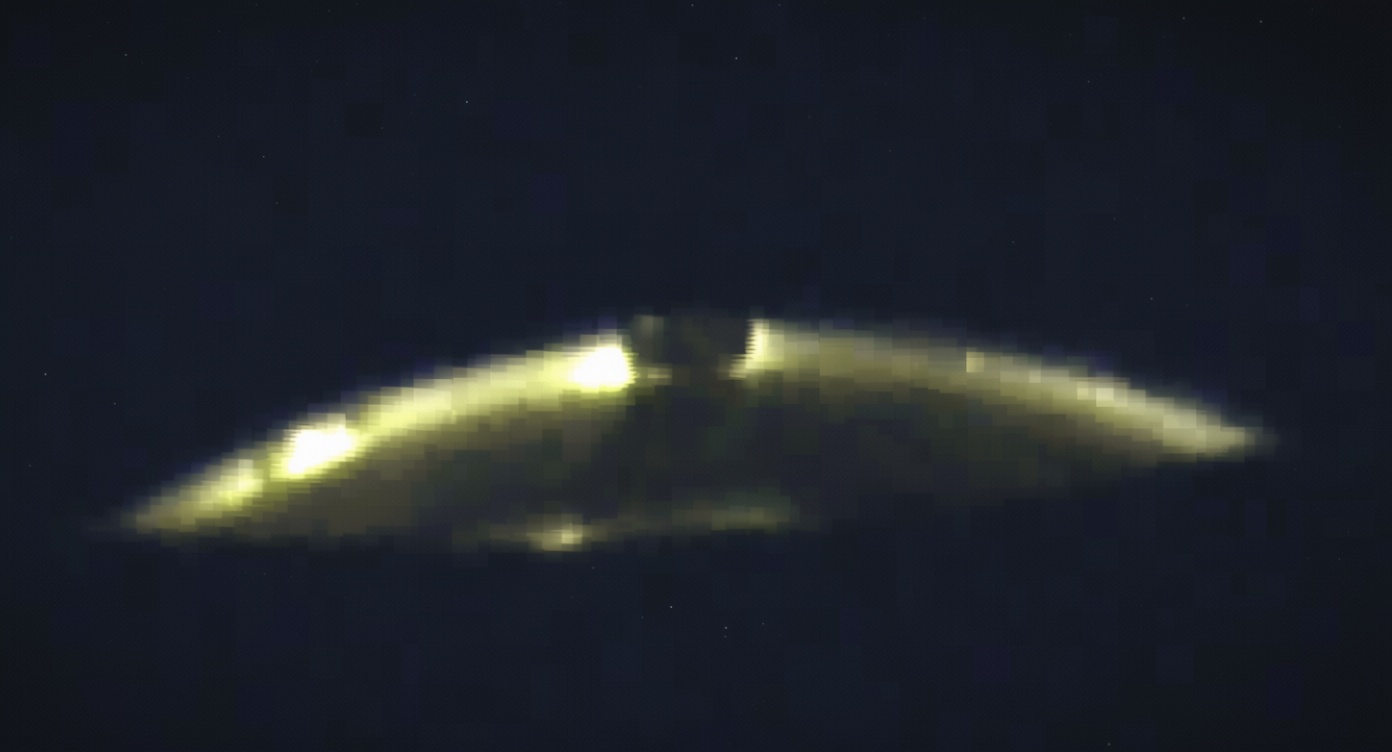
A short video posted online by a Colombian woman this week has ignited fresh debate among UFO enthusiasts and skeptics alike. The clip, filmed from a residential balcony in the outskirts of Bogotá, shows a luminous, disc‑shaped object hovering for several seconds before accelerating upward at a high rate. MotorBiscuit, the outlet that first highlighted the footage, described it as “the clearest UFO recording ever captured,” a claim that has quickly spread across social media platforms. While the visual quality appears superior to many earlier amateur recordings, experts caution that the video lacks independent verification and that additional data are needed before it can be classified as credible evidence of an unidentified aerial phenomenon (UAP).
The Video and Its Claims
The woman, who identified herself only as “María G.” in the original post, says she captured the incident on March 15, 2026, while watching a local football match on a balcony. “I thought it was a drone at first, but it moved in a way I’ve never seen before,” she wrote in the accompanying caption. The footage, shot on a 4K smartphone, shows the object maintaining a steady altitude for roughly eight seconds, then executing a rapid vertical climb that leaves a faint contrail. MotorBiscuit’s editorial team highlighted the video’s sharp focus, stable frame rate, and lack of obvious editing artifacts, arguing that these factors set it apart from the grainy, handheld clips that typically circulate online.
Expert Analysis
UAP analysts at the Center for the Study of Extraterrestrial Phenomena (CSETP) have examined the clip and noted several points of interest. Dr. Elena Ramos, a senior researcher at CSETP, said, “The object’s flight profile—hovering without apparent propulsion, followed by an abrupt vertical acceleration—does not match the performance envelope of most commercial drones or known aircraft.” She added that the video’s metadata, which indicates a GPS timestamp and device model, appears consistent with the claimed location and time. However, Dr. Ramos emphasized that “visual data alone are insufficient; radar signatures, infrared readings, or corroborating eyewitness accounts would be required to move this from an intriguing sighting to a scientifically robust case.”
Skeptical Viewpoints
Skeptics point out that the absence of third‑party verification raises red flags. James Kelley, a veteran aerospace engineer and frequent commentator on the UFO skeptic blog Critical Sky, warned, “Anyone can edit a high‑resolution video or use a sophisticated drone with a custom lighting package to produce a convincing illusion.” Kelley also noted that the region’s recent surge in commercial drone activity for delivery testing could provide a more mundane explanation. Additionally, independent analysts have been unable to locate any corroborating radar data from the Colombian air traffic control system for the reported time window, a gap that further fuels doubt.
Context and Next Steps
The incident arrives amid heightened public interest in UAPs, following the U.S. Department of Defense’s release of previously classified footage and the establishment of a congressional office to investigate aerial anomalies. While the Colombian video adds a new geographic data point, researchers stress the importance of systematic documentation. “If this is indeed a genuine UAP, we need a coordinated response—multiple sensors, controlled observation, and transparent data sharing,” said Dr. Ramos. For now, María G. has offered to provide the original file and any additional recordings from her device, inviting investigators to conduct a forensic analysis. Until such steps are taken, the video remains a compelling yet unverified piece of the broader, still‑evolving puzzle of unidentified aerial phenomena.