Overview
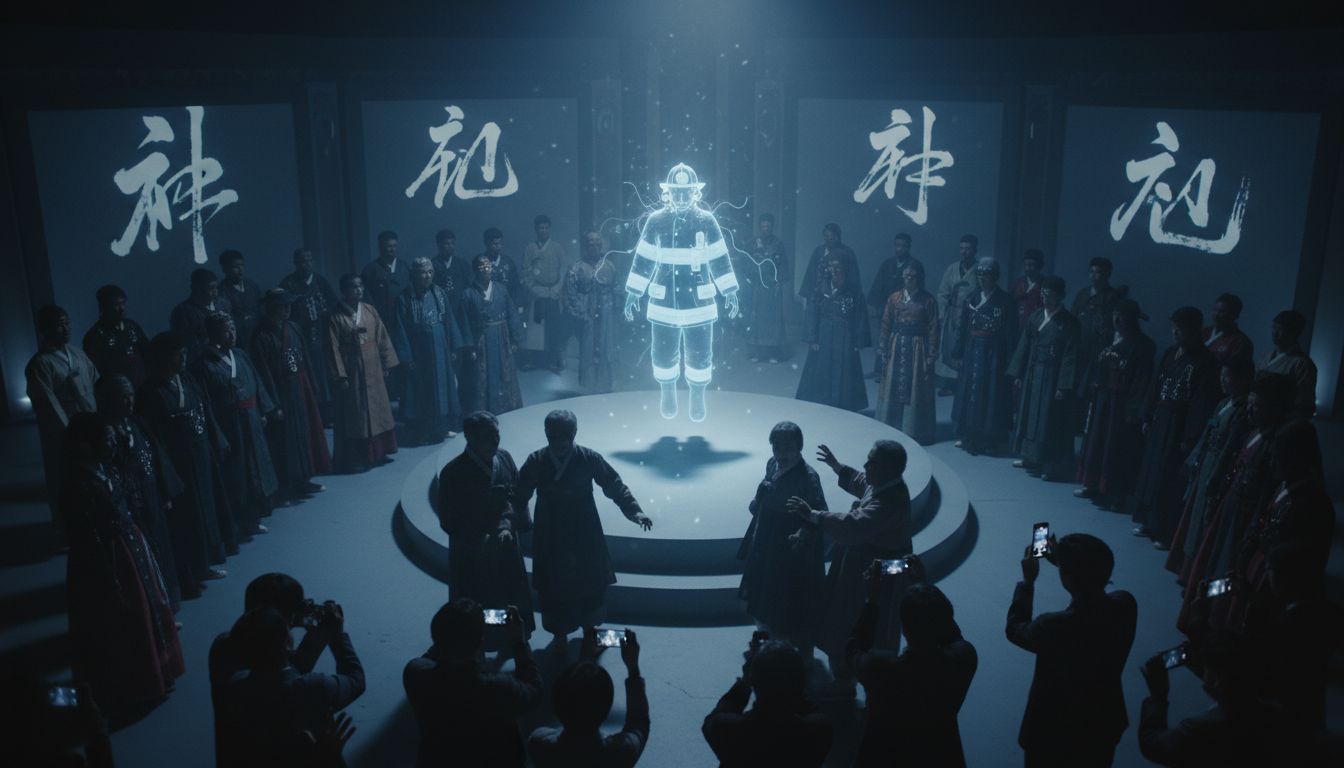
South Korean reality‑television series “Battle of Fates” sparked a nationwide outcry after an episode aired in which 49 self‑identified mediums attempted to “communicate” with the spirit of a firefighter who perished in a 2001 blaze that engulfed a high‑rise building in Seoul. The segment, framed as a “death‑guessing game,” featured graphic reenactments of the tragedy and prompted the deceased’s family to publicly condemn the program as exploitative and disrespectful. The controversy arrives amid a wave of religious and media disputes, including recent criticism from Korean Catholic bishops over an unsanctioned Marian shrine.
The TV Show Controversy
“Battle of Fates,” produced by a subsidiary of a major Korean broadcaster, markets itself as a “psychic survival” competition where participants demonstrate alleged supernatural abilities. In the contentious episode, each of the 49 mediums was asked to describe details of the firefighter’s final moments, ranging from the color of his uniform to the exact location of his last breath. The program intercut these claims with dramatized footage of the 2001 fire, which claimed the lives of 23 people. Viewers and advocacy groups quickly labeled the segment “disturbing” and “in poor taste,” arguing that it turned a real tragedy into entertainment.
Family Reaction
The firefighter’s sister, Kim Min‑soo, issued a statement through her legal counsel, saying, “Our brother died protecting others; to have his death turned into a guessing game is a betrayal of his sacrifice and a fresh wound to our family.” She added that the family had not been consulted and that the graphic reenactments “re‑traumatized” those who survived the fire. Several other relatives echoed the sentiment, calling for an official apology and a review of broadcasting standards concerning the depiction of real‑life tragedies.
Religious Backdrop
The uproar over “Battle of Fates” coincided with a separate, high‑profile dispute within the Korean Catholic Church. Bishops publicly condemned a newly erected Marian shrine in Busan, labeling it “unsanctioned” and warning that its promotion of unapproved devotional practices could mislead the faithful. Archbishop Park Jae‑hwan remarked, “When institutions—whether media or religious—pursue sensationalism without proper oversight, they erode public trust.” The parallel criticisms highlight a growing concern among Korean religious leaders about the blurring lines between faith, entertainment, and commercial exploitation.
Broader Implications
Media watchdogs have called for stricter guidelines on reality programming that involves deceased individuals or sensitive historical events. The Korea Communications Commission (KCC) announced it will review the episode for possible violations of the Broadcasting Act, which prohibits content that “disparages the dignity of a deceased person.” Meanwhile, advocacy groups for first‑responders argue that such portrayals can undermine public respect for emergency personnel. As South Korea grapples with balancing freedom of expression against cultural and ethical responsibilities, the “Battle of Fates” episode may become a pivotal case study in how far entertainment can push the boundaries of reverence and respect.


