Overview
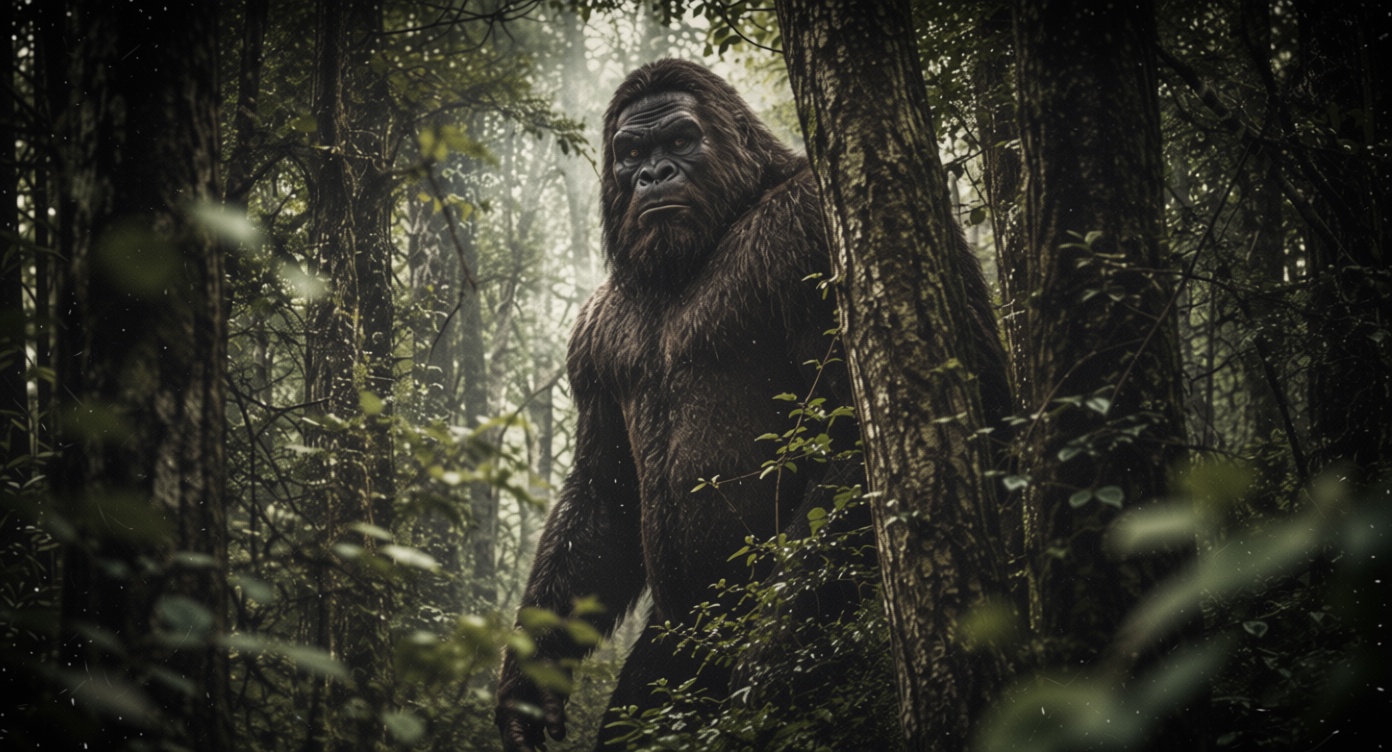
A recent discussion between L.A. Marzulli and cryptid researcher George Becker centered on a purported Bigfoot photograph taken in the Arkansas wilderness, a case the two presented as something they believe may raise questions well beyond a conventional Sasquatch encounter. According to Becker, the image was captured in an isolated research area his team refers to as “Ground Zero,” where they were surveying signs of unusual activity when they said they encountered what may have been a massive upright figure in the trees.
Becker described the moment as unsettling, saying the team had the sense they were being observed. “What we felt particular was that we were being watched,” he said. That feeling prompted him to begin taking photographs, one of which reportedly showed a face-like shape with a discernible nose, brow, and other features peering through the tree line. The sighting, as described, was not immediately treated as a confirmed Bigfoot event, but as a mystery that required scrutiny.
What the Researchers Say They Found
The Arkansas team’s account began with a more conventional sign of possible primate-like activity: tracks measuring about 20 inches long, which Becker said they found while moving through the area with research partners William Lunsford and Steven Hill. From there, the story escalated when they reviewed the images and noticed what they believed could be a large figure obscured by branches.
Importantly, Becker said the team did not rush to label the image as proof of Bigfoot. “You always have to be your first skeptic,” he said, emphasizing that they sought outside input rather than making a definitive claim. The image was sent to a professional photographer in Anchorage, Alaska, who reportedly declined to call the figure Bigfoot but told the researchers that “whatever is there is still there.” Becker also said his partners returned to the site to determine whether a tree, shadow, or other natural object might explain the image.
The Estimated Height and Why It Matters
According to Becker, later analysis led researchers to estimate the figure at roughly 11 feet tall, a size that, if accurate, would place it far outside the range typically associated with reported Bigfoot sightings. That detail has made the Arkansas photograph especially notable among cryptid enthusiasts, who often debate whether such images reflect misidentification, altered perspective, or something truly anomalous. Still, the size estimate remains part of an unverified account, and no independent confirmation was presented in the source material.
Marzulli framed the discussion as more than a cryptid story, suggesting the case could point toward a supernatural explanation. He and Becker also positioned the encounter within a broader Christian worldview, warning listeners to “test the spirits” and consider whether unexplained phenomena should be understood in biblical terms rather than as zoological discoveries alone.
Bigger Questions
The exchange reflects a recurring theme in Marzulli’s work: the overlap between cryptids, paranormal claims, and spiritual warfare. Rather than treating Bigfoot as merely an undiscovered animal, the discussion implied that some strange sightings may connect to deeper metaphysical concerns. That approach is consistent with a segment of the UAP and anomalous phenomena community that sees unexplained reports through both investigative and theological lenses.
For now, the Arkansas image remains just that — a purported photograph, interpreted by its discoverers as suggestive but not conclusive. Whether viewed as evidence of a giant creature, an optical illusion, or something more unsettling, the case underscores how quickly a wilderness sighting can become part of a much larger debate over what, exactly, is being seen in the shadows.