Overview
The Aubinger Lohe, a wooded area on Munich’s western edge, is once again drawing attention for a story that sits somewhere between local history and enduring folklore: the legend of the Devil’s Castle and a hidden treasure said to remain buried in the Bavarian hills. According to the tale, the noble residents of the long-vanished stronghold have not found peace. Instead, their spirits are believed to continue roaming the forest, eternally searching for the riches they lost. While the story belongs firmly to the realm of legend, it reflects the way old landscapes in southern Germany often preserve layers of memory, myth, and settlement history.
The Landscape Behind the Legend
The Aubinger Lohe is described as a green, wooded part of Munich’s protective belt, bordering the Lochhausen district. It is also home to Teufelsberg, or “Devil’s Mountain,” the area’s highest natural elevation and one that rises roughly 25 meters above its surroundings. With a summit height of 541 meters, it stands as Munich’s highest hill and is the only natural elevation in the Munich gravel plain. The hill’s name is tied to the now-lost Teufelsburg, or “Devil’s Castle,” a place whose remains have largely vanished from sight but not from local storytelling.
A Castle of History and Memory
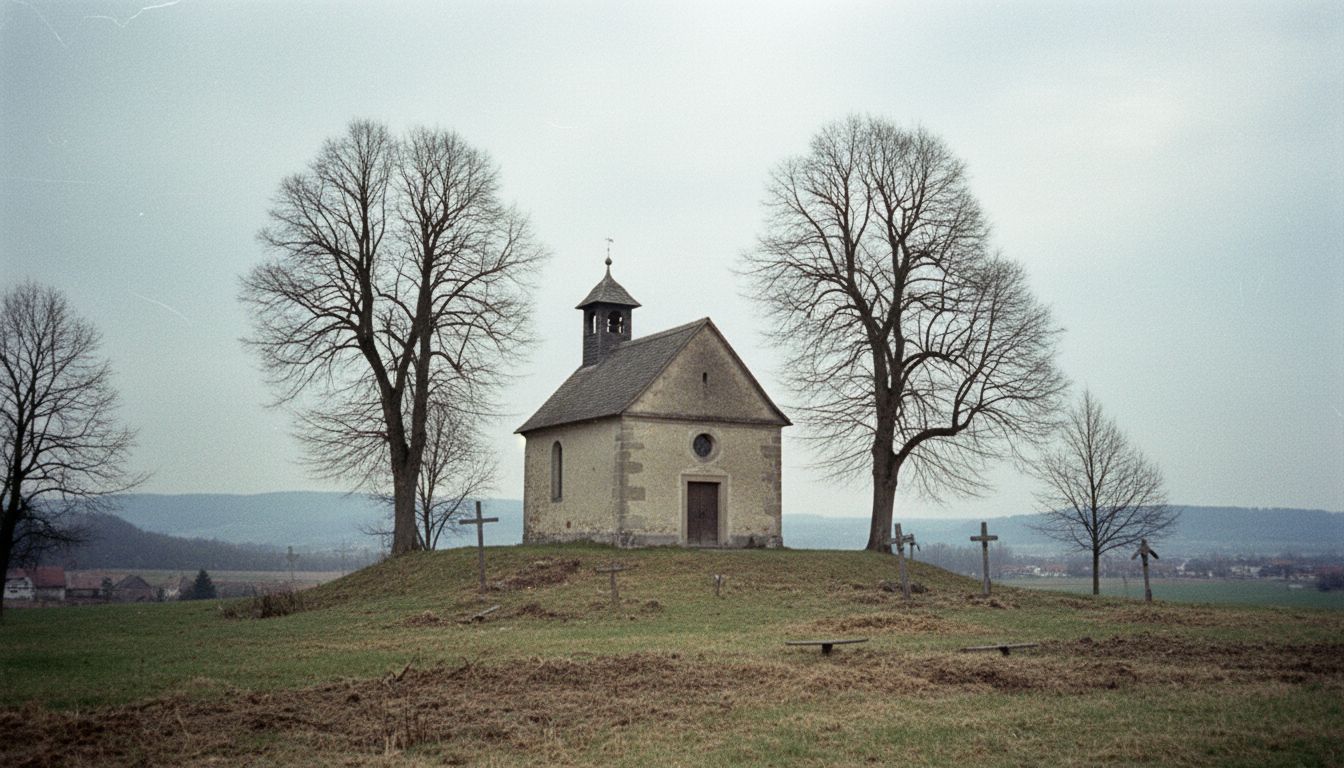
The site known as Aubinger Burgstall is believed to have stood in the Middle Ages on the northeastern side of the hill, where a three-meter-deep ditch and tree-covered mound still hint at the former stronghold. Today, little remains beyond the recognizable outline of a motte and moat, but the historical record places the castle’s origins in 1158, when it was founded by Henry the Lion, Duke of Bavaria, to help guard the road to Augsburg. The Lords of Aubing were likely in service to the Welf dukes, and the nearby settlement of Aubing itself is first mentioned as early as 1010. Archaeological traces in the surrounding area, including evidence from the Bronze Age, Celtic period, and Roman era, show that this was a significant corridor long before the castle rose there.
Treasure, Curse, and Folklore
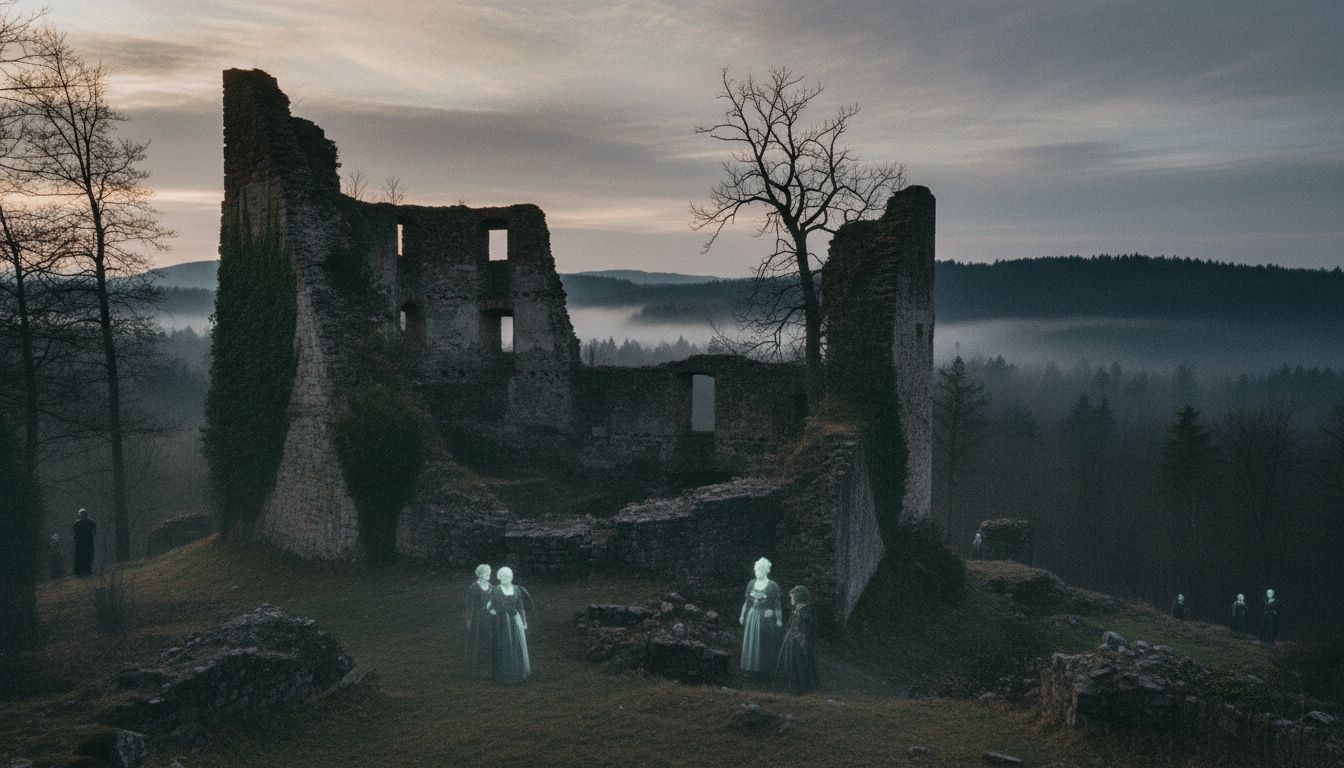
What keeps the Devil’s Castle alive in popular imagination is not the ruins themselves, but the story attached to them. Local legend says the castle was cursed and that a lost treasure remains hidden beneath or near the site. In some versions of the tale, the noble dead continue to wander the woods in search of it, unable to rest until the riches are found. Such stories are common around old fortifications across Europe, where abandoned ruins, indistinct earthworks, and shifting forest shadows create ideal conditions for mythmaking. In the case of the Aubinger Lohe, the legend has proven especially durable because the landscape still visibly carries the marks of its past.
Why the Story Endures
The Devil’s Castle legend persists because it blends verifiable history with the emotional pull of the unknown. The hill is real, the archaeological traces are real, and the medieval castle likely was real; the treasure and wandering spirits are not matters of historical proof, but of cultural tradition. That combination helps explain why the site continues to attract interest from historians, walkers, and folklore enthusiasts alike. In a city more often associated with modern life than medieval mystery, the Aubinger Lohe offers a rare reminder that even metropolitan landscapes can hold centuries-old stories—some documented, others preserved only in the local imagination.