Overview
A decades-old UFO legend tied to Kecksburg, Pennsylvania — often called “Pennsylvania’s Roswell” — is back in the spotlight after being referenced in Steven Spielberg’s project Disclosure Day, according to PhillyVoice. The mention is notable not because it settles any questions about the 1965 incident, but because it places one of the region’s most enduring extraterrestrial stories into a broader national conversation about UFOs, government disclosure, and pop-culture fascination with the unknown.
The Kecksburg case has long occupied a unique place in Pennsylvania lore. For years, local enthusiasts and UFO researchers have pointed to the incident as a mysterious event that helped define the state’s reputation for unexplained aerial sightings. While the details of the 1965 episode remain disputed, the story has persisted for generations, fueled by eyewitness accounts, speculation, and periodic renewed interest whenever UFOs return to the headlines.
The Kecksburg Legend
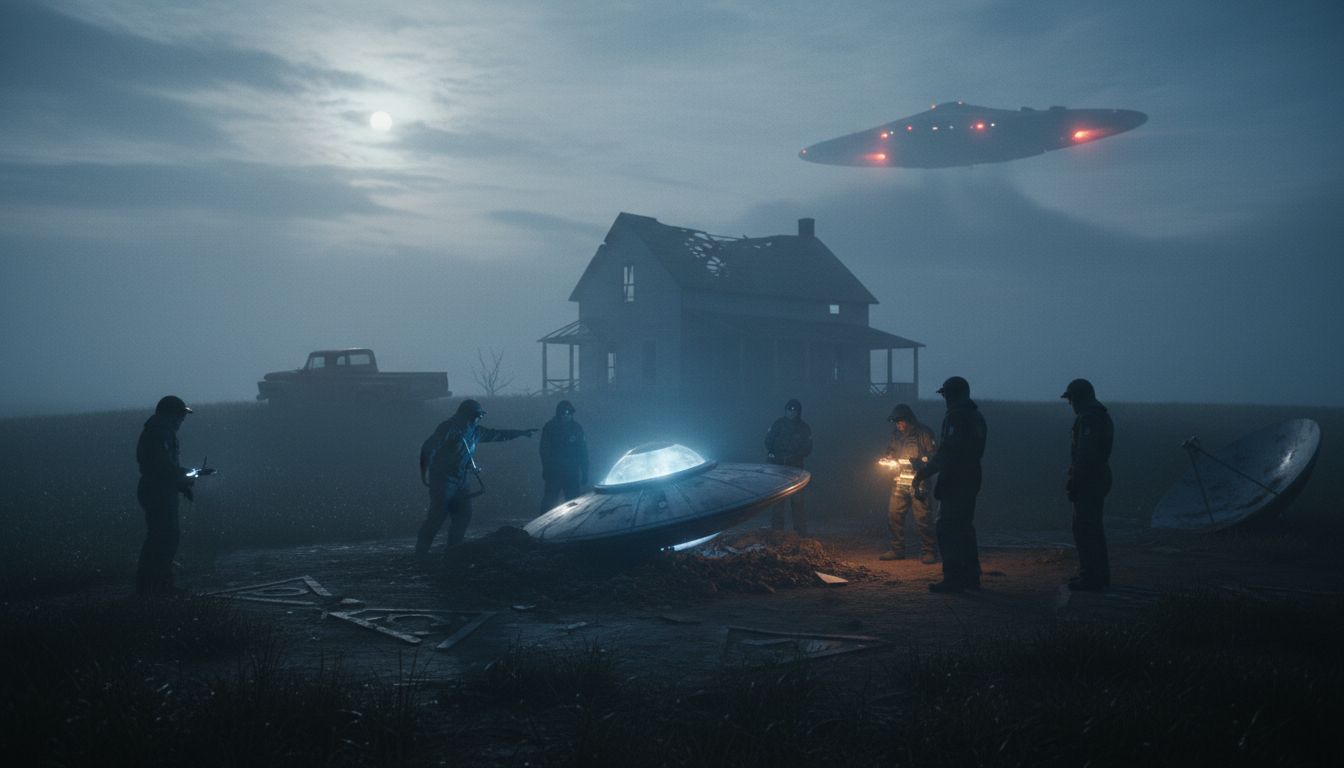
The 1965 Kecksburg incident has often been described as one of the most famous alleged UFO encounters in the United States. The nickname “Pennsylvania’s Roswell” reflects its cultural resonance: like the New Mexico case that became synonymous with UFO lore, Kecksburg has become shorthand for an event that many believe deserves deeper examination. Over time, the story has taken on a life of its own, appearing in documentaries, local retellings, and online discussions among UFO researchers and skeptics alike.
What makes the reference in Disclosure Day significant is the way it revives interest in a local legend that has never fully left public memory. Even without new evidence, a mention from a high-profile filmmaker such as Spielberg can reframe an old story for a new audience. In the world of UFO reporting, cultural visibility often matters as much as archival evidence: when a story is referenced in a major entertainment project, it can spark renewed curiosity, interviews, and fresh scrutiny from both believers and skeptics.
Pop Culture and Public Curiosity
Spielberg’s involvement also underscores how UFO narratives have become deeply embedded in American popular culture. For decades, film and television have helped shape how the public imagines extraterrestrial contact, government secrecy, and unexplained phenomena. By drawing from or referencing the Kecksburg story, Disclosure Day appears to be tapping into a familiar tradition: taking a local mystery and elevating it into a larger conversation about whether humanity is alone in the universe.
At the same time, the renewed attention highlights a broader media trend. UFO and UAP stories now regularly bridge the gap between fringe speculation and mainstream reporting, especially as lawmakers, military officials, and scientists continue to discuss unidentified phenomena with greater openness than in the past. In that environment, even a decades-old local case can regain relevance if it resonates with ongoing debates about transparency and the search for answers.
Why It Matters Now
For residents and UFO watchers in Pennsylvania, the mention of Kecksburg in a Spielberg project is less about proving the incident and more about validating the story’s staying power. The case has endured for nearly 60 years because it sits at the intersection of mystery, memory, and local identity. Whether viewed as an unsolved incident, a cultural legend, or a piece of Americana, Kecksburg continues to draw attention whenever the UFO conversation resurfaces.
In that sense, the Disclosure Day reference is less a conclusion than a reminder: some UFO stories persist not because they have been solved, but because they remain compelling enough to be retold.