Overview
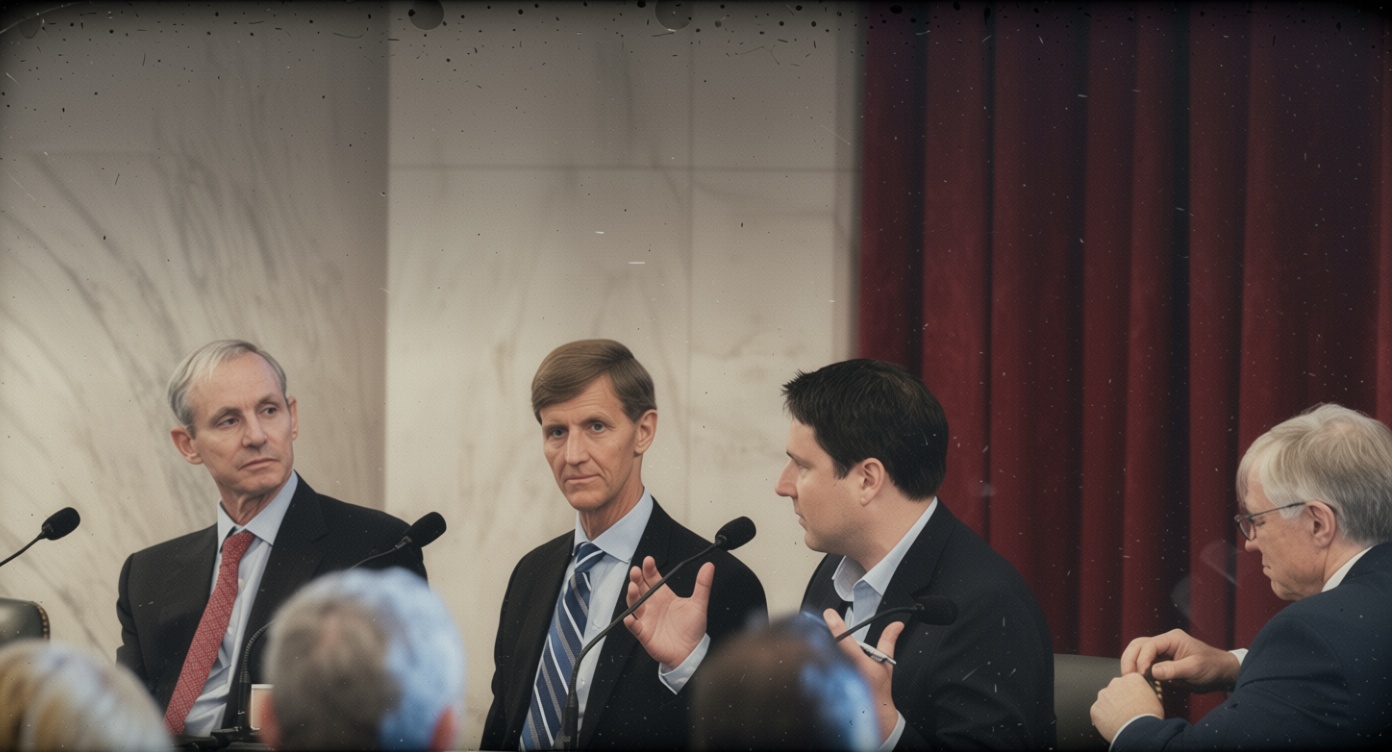
A new Disclosure Forum 2026 discussion brought together several of the most recognizable names in the UAP debate to examine what unexplained aerial activity could mean for national security, military readiness, and government transparency. Moderated by NBC News correspondent Gadi Schwartz, the panel featured former Deputy Assistant Secretary of Defense Christopher Mellon, retired Rear Admiral Tim Gallaudet, former congressional staffer and analyst Marik von Rennenkampff, and Kirk McConnell. The conversation, highlighted in a VibeWire Magazine segment and circulated within the UFO community on X, focused less on speculation about the origin of UAP and more on the practical question of how the U.S. government should assess and respond to unexplained incursions.
Military Incidents and Airspace Concerns
The panel revisited a range of incidents that have shaped the modern UAP debate, including reported activity near military bases, Navy ships, sensitive test ranges, and U.S. airspace. Among the cases discussed were the Langley Air Force Base incidents, which renewed public attention on the ability of defense systems to detect and identify unfamiliar objects operating in restricted areas. Speakers also pointed to reports of anomalous objects observed in and around the oceans, an issue that has drawn interest from naval personnel and researchers alike.
The discussion centered on a basic but consequential problem: whether the government can track, identify, and respond to objects that appear to defy conventional explanation. That question has become increasingly important as officials acknowledge that some UAP events remain unresolved, even when analyzed through military sensors and intelligence channels.
Secrecy, Oversight, and Potential Foreign Technology
A major thread of the panel was the tension between classification and oversight. The speakers examined how compartmentalized programs and Special Access Programs can limit information-sharing across agencies and restrict congressional visibility. According to the forum’s framing, that structure may protect sensitive capabilities, but it can also make it harder to determine whether unusual sightings are connected to advanced foreign technology, experimental systems, or something not yet understood.
The panel did not treat every unexplained incident as evidence of nonhuman activity. Instead, it raised the possibility that some sightings could involve advanced adversary technology, which would itself carry serious national-security implications. That point reflects a broader shift in the UAP conversation: even without definitive answers, unexplained incursions are increasingly being discussed as a defense and intelligence issue, not simply a fringe topic.
Transparency, Whistleblowers, and Research
Another recurring issue was whether greater transparency could strengthen national security rather than undermine it. The panel explored the role of whistleblower protections for individuals who bring classified information to Congress, especially when concerns involve secrecy, retaliation, or unclear reporting channels. The forum also highlighted the growing role of universities, citizen scientists, and private research efforts in trying to separate credible evidence from noise and misinformation.
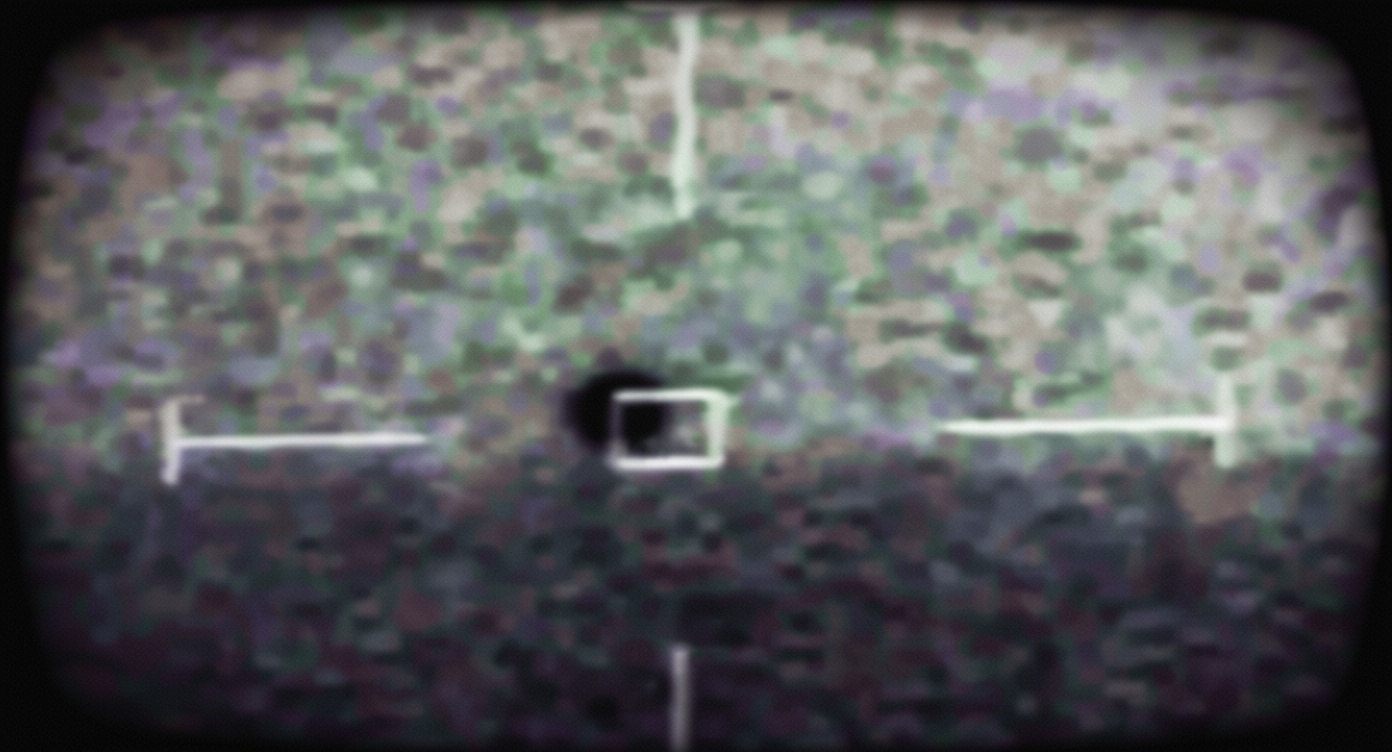
The discussion referenced several landmark UAP cases — Tic Tac, Gimbal, and GoFast — that continue to influence both public debate and policymaking. Those incidents remain central because they sit at the intersection of military documentation, sensor data, and unresolved interpretation, making them difficult to dismiss and hard to conclusively explain.
What Comes Next
Taken together, the forum suggested that the UAP issue has entered a different phase from earlier cycles of attention. With congressional interest, executive-branch disclosures, scientific inquiry, and sustained public engagement converging at the same time, the panel argued that the issue may now be structurally harder to ignore. The larger question, as framed by the discussion, is whether the U.S. and its partners can build a framework that addresses UAP as a real-world security challenge while still preserving legitimate secrecy around defense capabilities.