Overview
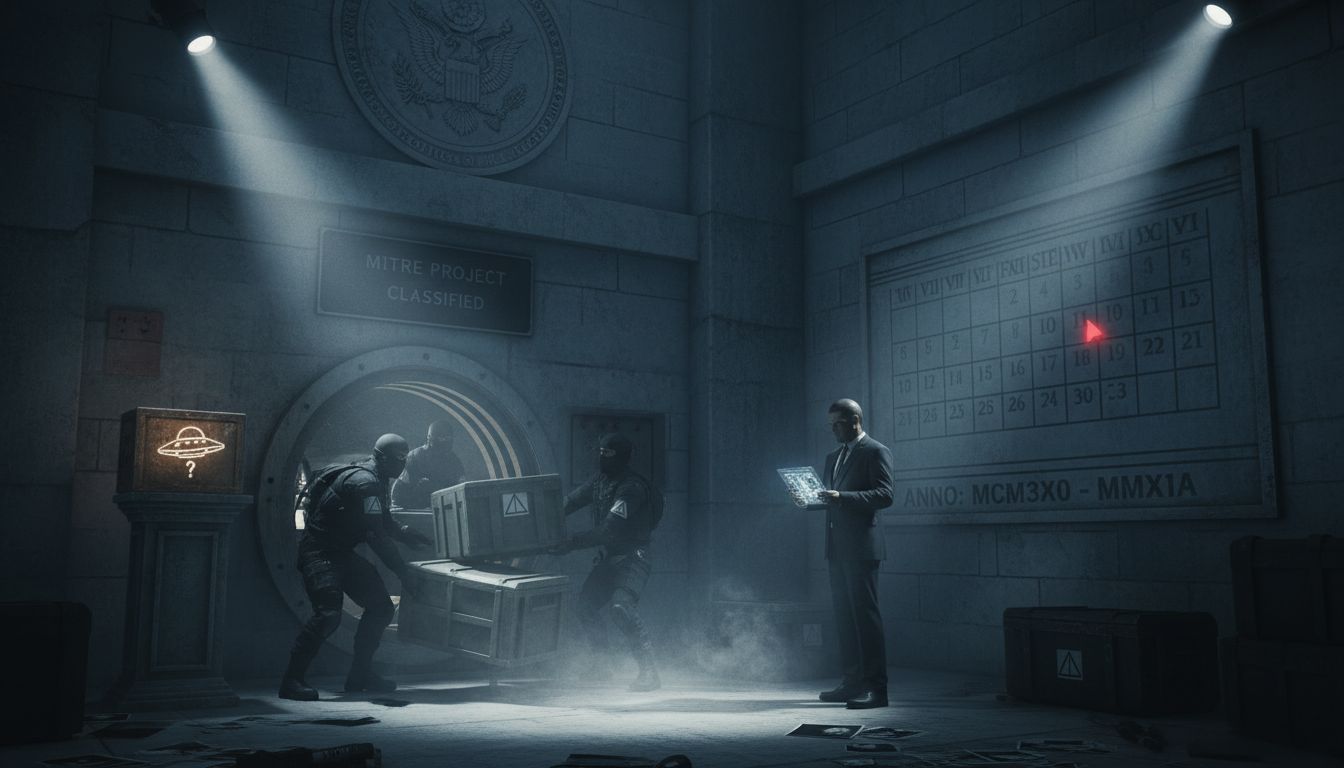
The MITRE Corporation announced on May 22 that it is reviewing its archives to comply with a production request from Rep. Eric Burlison (R‑MO). The request, delivered in a ten‑page letter obtained by DefenseScoop, seeks any records, data, or physical assets related to unidentified anomalous phenomena (UAP) that MITRE may have created, received, analyzed, or retained dating back to 1930. MITRE, a not‑for‑profit organization that operates several federally funded research and development centers (FFRDCs) for the Department of Defense and other agencies, said it will coordinate with the relevant federal bodies should any pertinent material be uncovered.
Legislative Push for Transparency
Rep. Burlison, a member of the House Oversight and Government Reform Committee and the Task Force on the Declassification of Federal Secrets, has been a vocal advocate for greater congressional oversight of UAP programs. In his letter he wrote that the “purpose of this request is straightforward” and listed a broad spectrum of possible items, from “unidentified aerospace or undersea phenomena” to “legacy crash‑retrieval or reverse‑engineering efforts.” The request follows a wave of whistleblower allegations that the Pentagon and its contractors are storing sensitive UAP data on private networks to evade oversight. Earlier this year, Congress, the Department of Defense, the National Archives, and the FAA have each taken steps to increase public access to declassified UAP files, signaling a shift from the historic “taboo” status of the subject.
MITRE’s Response and Process
A MITRE spokesperson told DefenseScoop that “if any relevant material is found, we will coordinate with the federal agencies responsible for the work to determine how to best provide any assets.” The organization emphasized that the review is being conducted by “insiders” who are familiar with its extensive records, many of which are housed in secure, compartmented environments. MITRE did not confirm whether any UAP‑related documents have already been identified, but it pledged full cooperation with the congressional request and indicated that any disclosure would be handled in accordance with existing classification and security protocols.
Historical Context of UAP Handling
UAP investigations have a long, complicated legacy within the U.S. defense establishment. From the 1940s Project Sign and Project Blue Book to the more recent Unidentified Aerial Phenomena Task Force and its successor, the All‑Domain Anomaly Resolution Office (AARO), agencies have periodically collected and analyzed reports of aerial and undersea objects that appear to exceed known technological capabilities. While officials repeatedly state that no evidence has yet confirmed extraterrestrial origin, they also acknowledge that some sightings could involve advanced foreign drones or other adversarial platforms. MITRE’s involvement, given its role in supporting DoD research and its access to classified technical data, makes it a focal point for lawmakers seeking a fuller picture of any hidden programs.
Implications and Outlook
The outcome of MITRE’s archival review could provide unprecedented insight into whether UAP‑related research has been conducted within the FFRDC system, and if so, how that work has been documented or concealed. Should relevant material be produced, it would likely be scrutinized by the House Oversight Committee, the Pentagon’s Office of the Secretary of Defense, and possibly the intelligence community, adding another layer to the ongoing debate over transparency versus national‑security concerns. President Donald Trump, who recently highlighted the administration’s “renewed commitment” to releasing declassified UAP files, has framed the issue as a public‑interest story that “trending number one” reflects widespread fascination. As congressional pressure mounts, the balance between open disclosure and protection of sensitive technology will remain a central challenge for both MITRE and the broader defense establishment.


