Overview
A batch of documents released by the Pentagon on May 12, 2026 reveals a notable uptick in unidentified aerial phenomena (UAP) reports across Arizona over the past two decades. The files, part of the ongoing declassification effort that began in 2024, catalog more than 300 civilian sightings between 2005 and 2025—roughly double the number recorded in the previous ten‑year span. The surge is concentrated around several military installations and remote desert corridors, prompting researchers to examine whether the patterns reflect heightened public awareness, increased flight activity, or a genuine rise in anomalous events.
Geographic Clusters
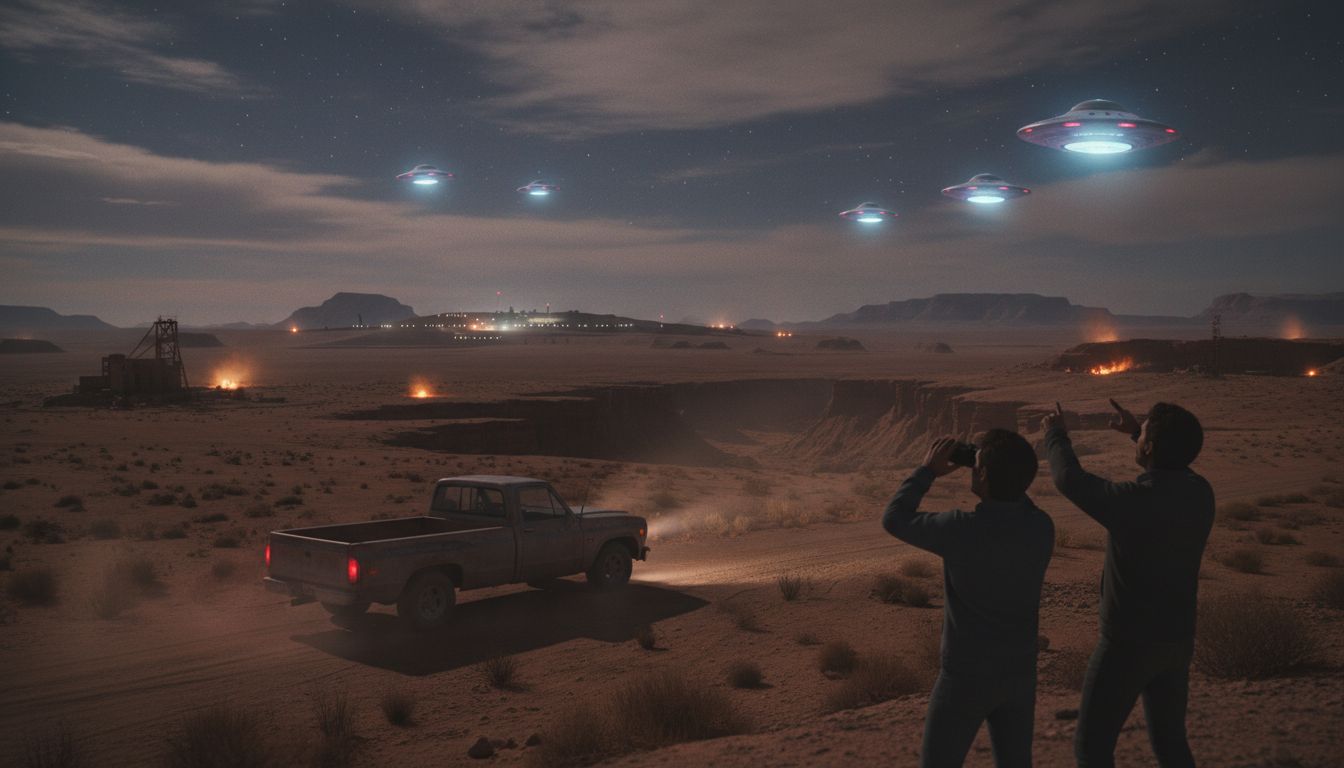
The newly disclosed records identify three primary hotspots. The first surrounds Davis‑Monthan Air Force Base and the adjacent “boneyard” where retired aircraft are stored; 87 reports describe lights performing rapid accelerations and abrupt direction changes at altitudes below 15,000 feet. A second cluster centers on Luke Air Force Base near Glendale, with 62 sightings noting “cigar‑shaped” objects executing silent, low‑level passes over training ranges. The third and most extensive cluster lies in the Sonoran Desert north of Yuma, where 118 accounts from hikers and off‑road enthusiasts describe luminous orbs hovering over sand dunes for several minutes before vanishing. The documents include radar snippets, pilot testimonies, and night‑vision video stills that have been handed to the Office of the Director of National Intelligence for further analysis.
Civilian Reporting Trends
The files also trace a sharp increase in civilian reporting beginning in 2022, coinciding with the public release of the 2021 UAP Task Force report and subsequent media coverage. Online reporting portals hosted by the Federal Aviation Administration (FAA) saw a 67 % rise in submissions from Arizona residents between 2022 and 2025. Researchers at the University of Arizona’s Center for Atmospheric Studies attribute part of this rise to “greater public confidence that reports will be taken seriously,” noting that many witnesses now provide detailed timestamps, GPS coordinates, and even drone footage. The documents highlight several “repeat‑sighter” cases, where the same individual filed multiple reports over months, suggesting a pattern of persistent activity rather than isolated incidents.
Links to Ongoing Government Investigations
While the newly released material does not definitively confirm the nature of the phenomena, it underscores the continuing coordination between civilian observers and federal UAP investigations. The Department of Defense’s Unidentified Aerial Phenomena Office (UAPO) has cited Arizona’s data in recent briefings to congressional oversight committees, emphasizing the need for “enhanced sensor coverage” in the Southwest. A senior UAPO official, speaking on condition of anonymity, said, “These Arizona reports are valuable because they combine eyewitness detail with radar corroboration, giving us a clearer picture of where to focus our investigative assets.” The Pentagon’s statement accompanying the release reiterated its commitment to “transparency while safeguarding national security.”
Expert Commentary
Academics and former military pilots caution against jumping to conclusions. Dr. Elena Martínez, a professor of aerospace engineering at Arizona State University, remarked, “The clustering near bases could reflect routine training flights that are misidentified, especially under low‑visibility conditions.” Former Air Force pilot Lt. Col. James “Jim” Ortega, now a consultant for the UAP Task Force, added, “What stands out is the consistency of radar returns with visual sightings in the desert sector—something that merits deeper technical scrutiny.” Both experts agree that the documents provide a richer dataset for scientific inquiry, but they stress the importance of rigorous analysis before assigning any extraterrestrial explanation.