Overview
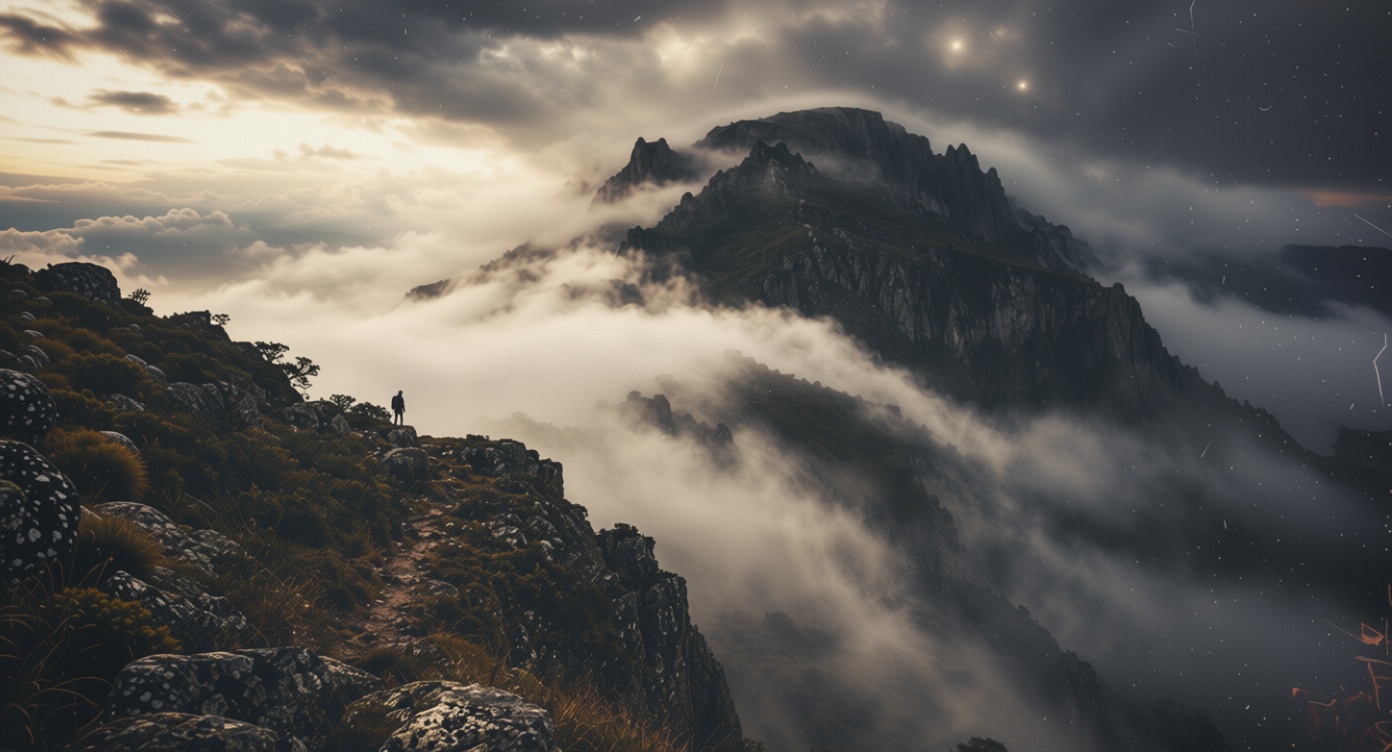
Mount Nyangani, Zimbabwe’s highest peak, has long occupied a prominent place in local folklore and modern mystery stories. Rising to approximately 2,592 meters in the Eastern Highlands, the mountain is covered by forests, rocky grasslands and steep valleys where fog can arrive rapidly. Those conditions, combined with difficult terrain and rapidly changing weather, have contributed to its reputation as “the mountain that swallows people.”
The mountain’s legend was reinforced by several reported disappearances, including the 2014 case of businessman Zaid Dada. According to accounts cited by Paranormal Arabia, Dada began climbing on January 4 with his wife and two friends. When the others became tired and stopped, the 31-year-old continued alone. He was never seen again. Searches involving Zimbabwean police, army personnel and helicopters reportedly continued for nearly two weeks but failed to locate him.
Disappearances and Search Efforts
Dada’s case followed earlier reports that remain part of Nyangani’s folklore. In the early 1980s, the daughters of Zimbabwean government official Tichaendipi Masaya were said to have disappeared while on the mountain. Another account describes the disappearance of student Robert Ackhurst during a school trip in November 1984. Available accounts differ over some dates and details, and the cases have not been independently documented to a standard that would resolve those discrepancies.
After conventional search efforts for Dada produced no result, his family reportedly agreed to traditional rituals led by local spiritual authorities. The decision reflected the continuing influence of beliefs that Nyangani is protected by spirits and that certain conduct on the mountain is taboo. Such practices are an important part of the cultural context surrounding the mountain, but they do not establish a supernatural explanation for any disappearance.
Not every incident has ended in permanent loss. In August 2014, British student Thomas Gaisford described becoming disoriented after climbing alone. Fog and rain arrived after he reached the summit at about 3 p.m., forcing him to spend the night in a tent while exposed to cold and the sounds of wildlife. He descended safely the following morning when visibility improved. His experience illustrates how quickly ordinary hiking conditions can become life-threatening on Nyangani.
Claims of a Hidden UFO Facility
More unusual allegations link Mount Nyangani to remote-viewing experiments associated with former U.S. intelligence personnel and researchers, including Skip Atwater, Joe McMoneagle and Lyn Buchanan. According to the claims, remote viewers identified an underground or nearby facility used to maintain unidentified spacecraft. The story has been presented as a possible explanation for the mountain’s secrecy and strange reputation.
However, there is no independently verified evidence that a UFO facility exists beneath or near Mount Nyangani. Remote viewing—the purported ability to obtain information about distant locations through extrasensory perception—has generated continuing interest among paranormal researchers, but its alleged results have not been established as reliable evidence by mainstream scientific or intelligence assessments. No publicly documented physical survey, official record or corroborated eyewitness account has confirmed the alleged installation.
Context and What Is Known
Mount Nyangani’s disappearances remain unresolved, but the available information does not require an extraordinary explanation. Dense fog, steep slopes, isolation, exposure, navigation errors and limited visibility can make search operations extremely difficult, particularly when a missing person is alone. The mountain’s spiritual significance and the absence of definitive answers have nevertheless allowed older taboos and newer UFO narratives to become intertwined.
For now, the documented reality is a hazardous mountain with a history of missing-person reports. The claims of a concealed spacecraft-maintenance base remain unverified, and should be treated as folklore or speculation rather than established fact.