Overview
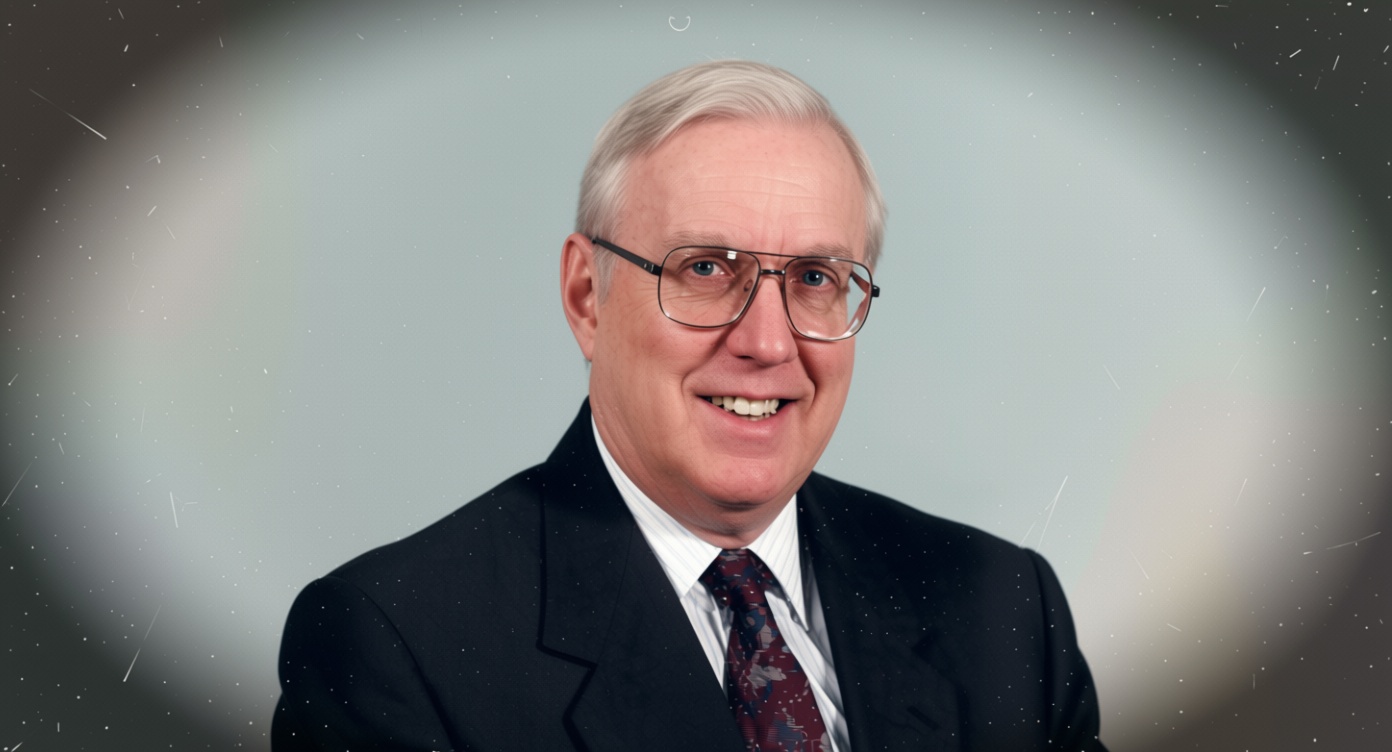
John Schuessler, the aerospace engineer and longtime UFO researcher who helped found the Mutual UFO Network, has died, according to a July 12 announcement from MUFON. Born in 1940, Schuessler was a defining figure in modern ufology for decades, known both for his technical background and for his willingness to challenge assumptions inside a field often divided between believers, skeptics, and independent investigators. His death prompted an immediate wave of tributes from the UFO research community, where he was widely regarded as one of the organization’s most consequential and uncompromising voices.
A Founding Figure in MUFON
Schuessler’s name is closely tied to the early growth of MUFON, which became one of the most prominent civilian organizations devoted to the study of unidentified aerial phenomena. As a co-founder, he helped shape the group’s emphasis on case documentation, investigator training, and evidence-based analysis at a time when UFO research was still largely informal and frequently dismissed by mainstream institutions. His background as an aerospace engineer gave him a level of technical credibility that set him apart from many contemporaries, and it also informed the careful, methodical approach he brought to high-profile cases.
Over the years, Schuessler developed a reputation as an investigator who could be both meticulous and contrarian. That combination made him influential in ufology, where agreement is rare and case interpretation often depends on competing theories. He did not simply amplify claims; he often pressed for documentation, consistency, and hard questions about what witnesses reported and what evidence could actually support. For supporters, that made him indispensable. For critics, it sometimes made him difficult. Either way, he left a lasting mark on the field.
Investigating the Cases That Defined an Era
Among Schuessler’s most notable contributions was his detailed work on the Cash-Landrum incident, one of the most discussed UFO cases in U.S. history. The case, involving two women and a child who reported an encounter with a mysterious glowing object in Texas in 1980, became a touchstone for discussions of alleged physical effects, military involvement, and the challenge of sorting fact from speculation. Schuessler’s interest in the case reflected his broader approach: focus on the evidence, examine the timeline, and avoid easy conclusions.
That commitment to deeper inquiry helped make Schuessler a respected figure even among people who disagreed about UFO origins or interpretations. His work arrived during a period when UFO research was still largely outside academic and governmental consensus, yet he consistently pushed the conversation toward more disciplined analysis. In that sense, his influence extended beyond any single case; he helped establish a standard for how serious civilian investigators could approach unexplained aerial reports.
Community Reaction and Legacy
The MUFON announcement marks the end of a long career that intersected with some of the most enduring questions in the field. While the organization’s statement did not provide extensive details, the response from researchers and longtime observers suggests Schuessler’s death is being felt as a significant loss. For many in the UFO community, he represented a generation of investigators who built the field through persistence, technical rigor, and a willingness to follow difficult evidence wherever it led.
His legacy is likely to endure through MUFON’s institutional history, the cases he helped shape, and the investigators he influenced. In a field often defined by uncertainty, Schuessler stood out for trying to bring order to ambiguity. That may be the clearest measure of his impact: not that he solved every mystery, but that he helped define how the mystery should be studied.