Overview
A second disappearance has drawn attention to an ongoing mystery surrounding a senior U.S. Air Force officer who was previously linked to investigations of unidentified aerial phenomena (UAP). According to multiple reports, a colleague of the missing general—identified only as a fellow officer involved in the same UAP‑related work—has vanished under circumstances that officials have described as “unexplained.” The incident adds a new layer of intrigue to an already high‑profile case that has been followed closely by both the defense community and civilian UFO researchers.
Background on the Missing General
The Air Force general in question, whose name has not been released publicly, was reported missing earlier this year while serving in a role that interfaced with the Pentagon’s UAP Task Force. Media outlets have noted that the officer had previously testified before Congress about the need for greater transparency regarding sightings of anomalous aerial objects. Although the general’s disappearance remains under investigation, the Department of Defense has confirmed that the officer was assigned to a classified program focused on assessing potential national‑security implications of UAP encounters.
Details of the Co‑Worker’s Vanishing
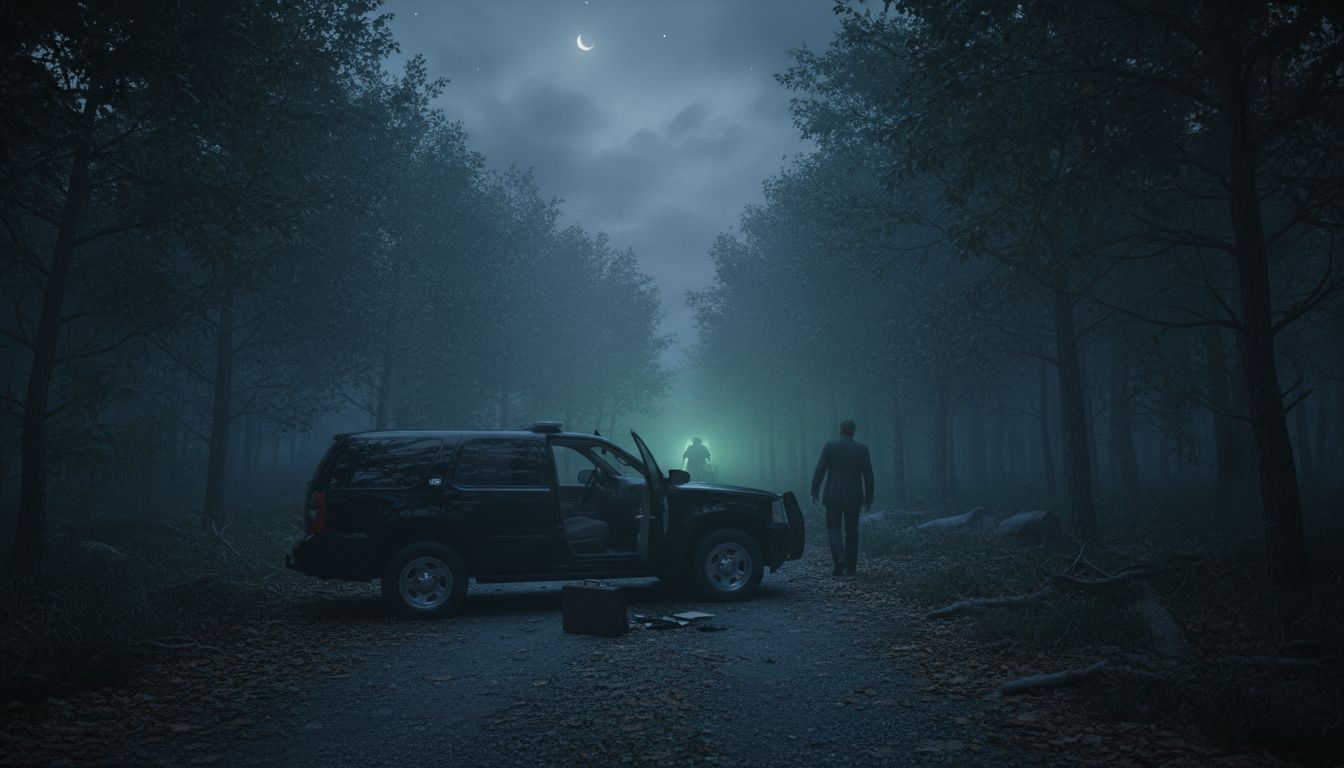
The co‑worker, also an officer attached to the same classified UAP program, was last seen on a weekday morning while traveling between two Air Force installations. According to family members who spoke on condition of anonymity, the officer failed to check in at the scheduled location and did not respond to calls or messages. Local law‑enforcement agencies have opened a missing‑persons case, and the Air Force’s Office of Special Investigations has been notified. No evidence of foul play has been disclosed, and the officer’s personal belongings, including a service‑issued mobile device, were reportedly left behind.
Official Response
A spokesperson for the Department of Defense declined to comment on the specifics of either disappearance, citing “operational security” and the ongoing nature of the investigations. The Pentagon’s public affairs office reiterated that all missing‑person reports involving service members are taken seriously and are investigated in coordination with civilian authorities. Meanwhile, a senior official from the Air Force’s Personnel Management Directorate confirmed that the service is providing “full support to the families” and that “standard protocols are being followed.”
Context and Implications
The twin disappearances occur against a backdrop of renewed congressional scrutiny of UAP phenomena. In recent months, the Senate Intelligence Committee has held hearings on the matter, and the Office of the Director of National Intelligence released a preliminary assessment acknowledging that many sightings remain unexplained. Researchers such as Dr. Jacques Vallée, a veteran UAP analyst, have cautioned against jumping to conclusions, noting that “coincidental timing does not necessarily imply a causal link, but the pattern does merit careful examination.” The lack of concrete information has fueled speculation on social media platforms, where some observers connect the events to broader narratives about secrecy and potential extraterrestrial contact.
Next Steps
Law‑enforcement agencies continue to search for the missing officer, employing both ground teams and aerial resources. The Air Force has pledged to release any non‑classified findings that emerge from its internal review. Observers suggest that the outcomes of these investigations could have implications not only for the families involved but also for the ongoing debate over how the U.S. government handles UAP data. As the cases develop, officials emphasize that the priority remains locating the missing service members and providing answers grounded in fact rather than conjecture.


